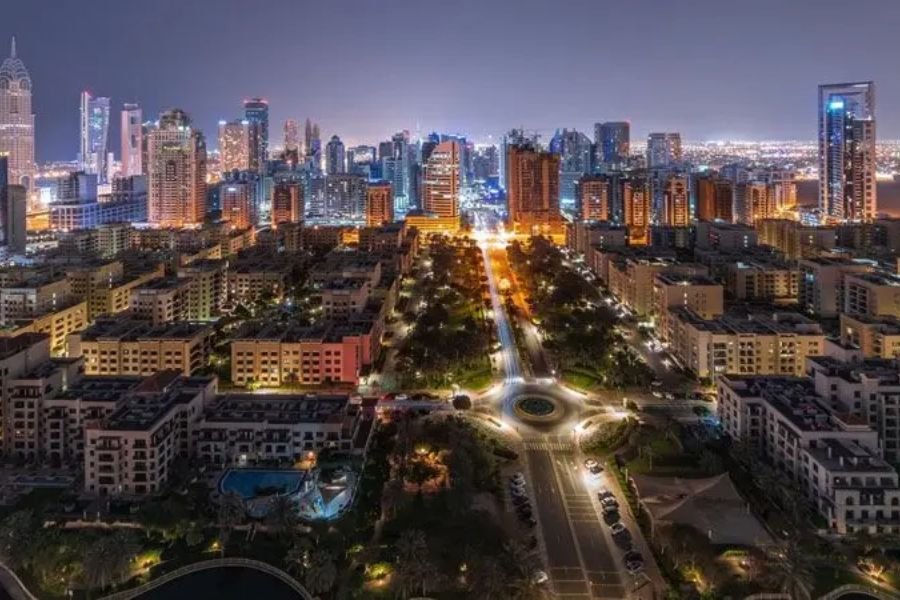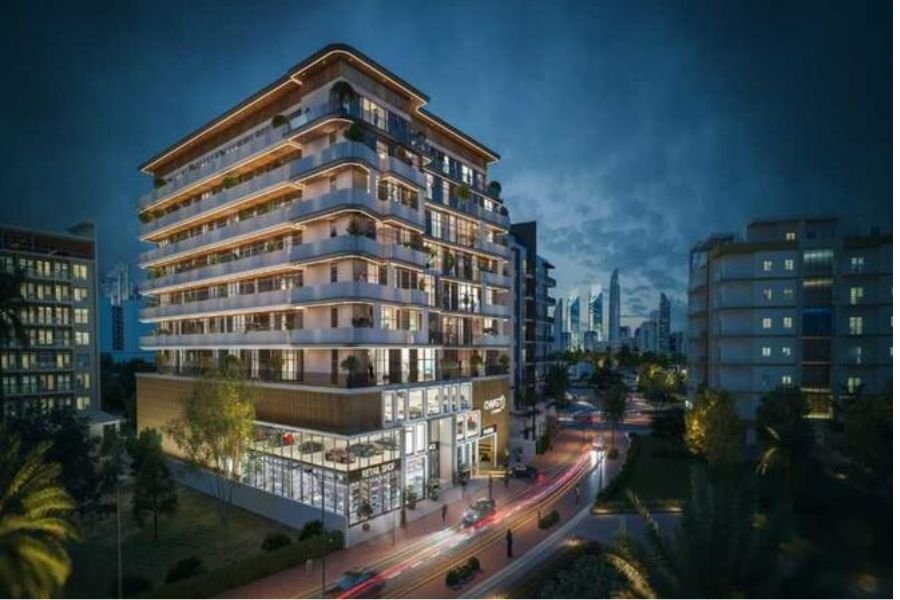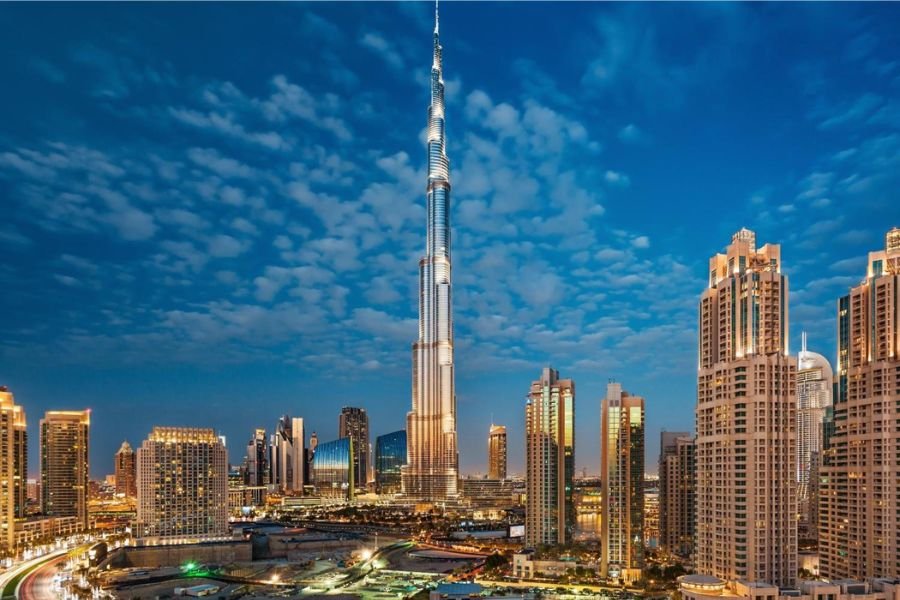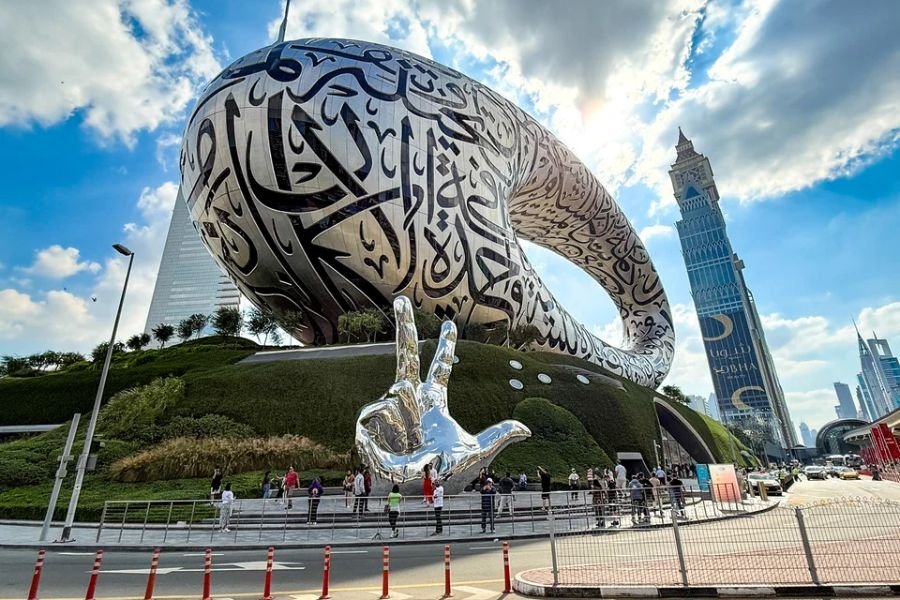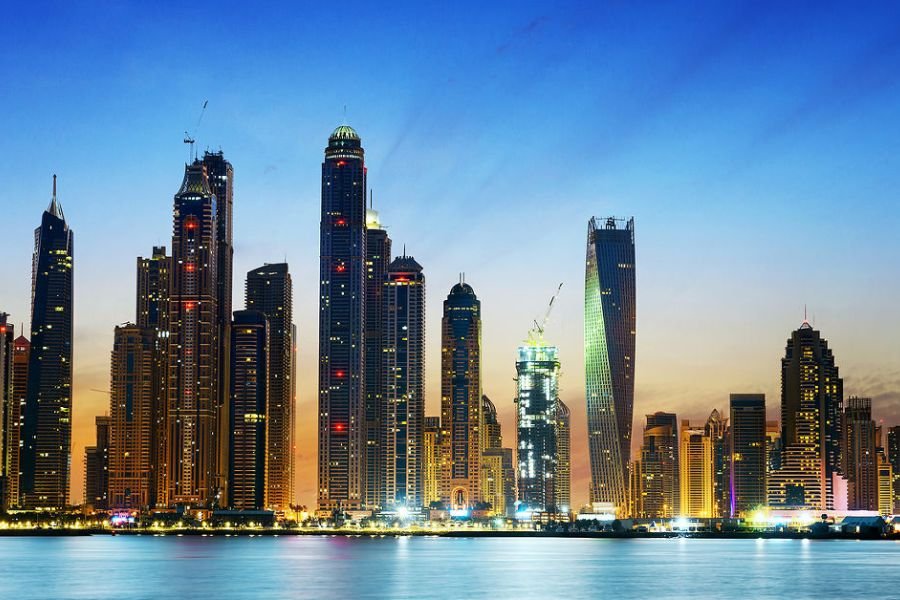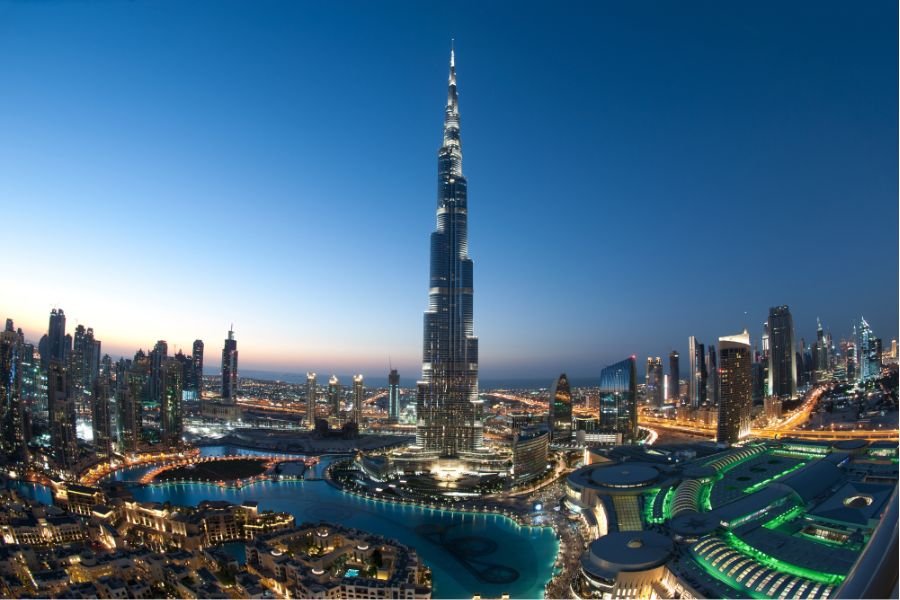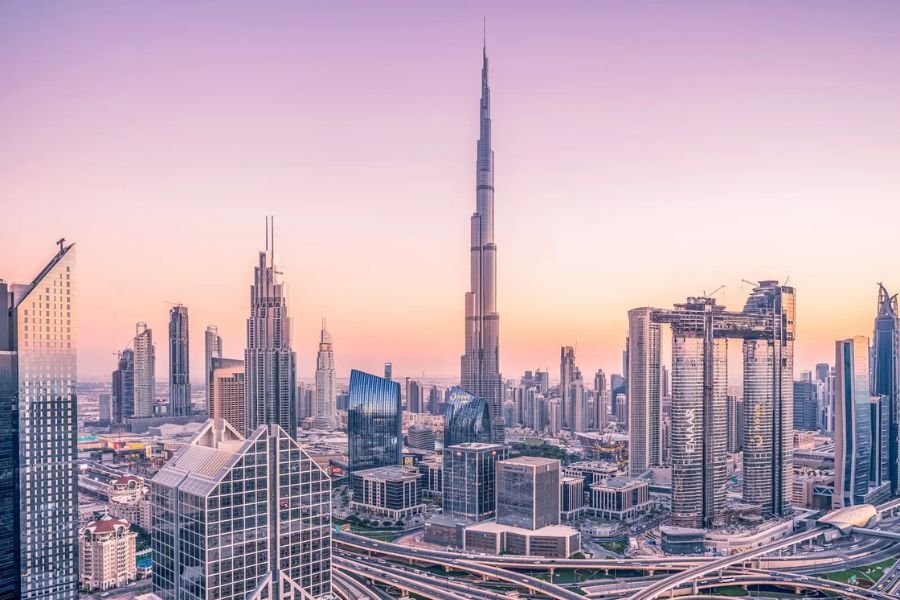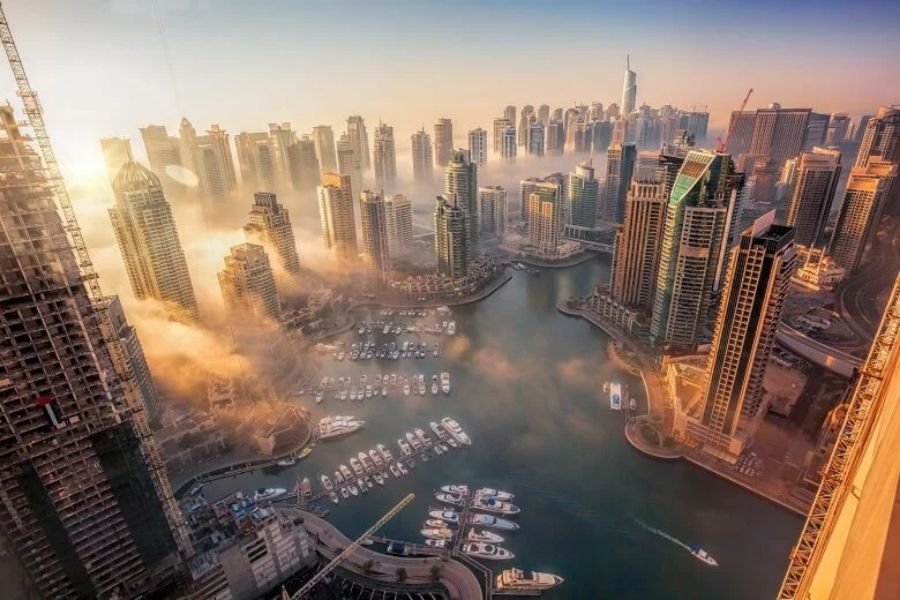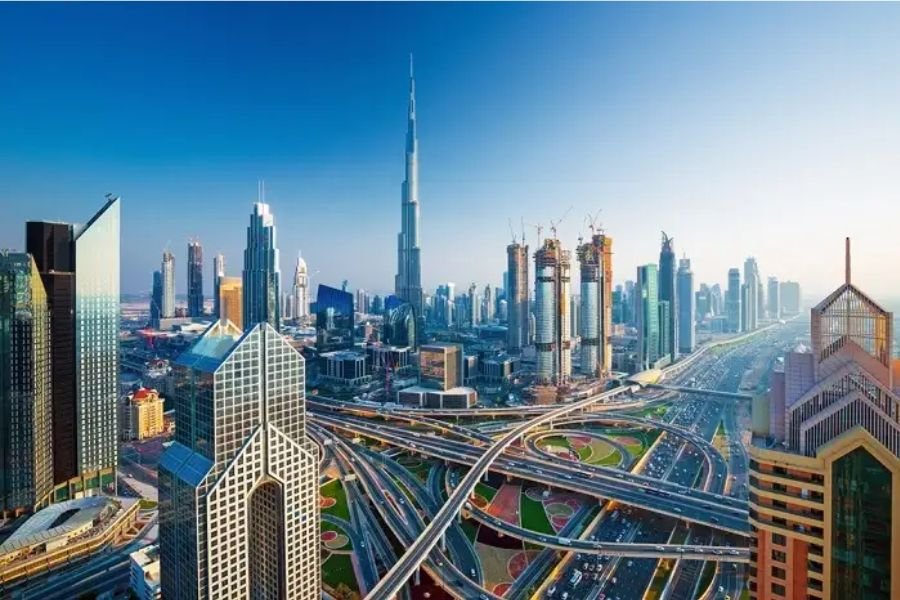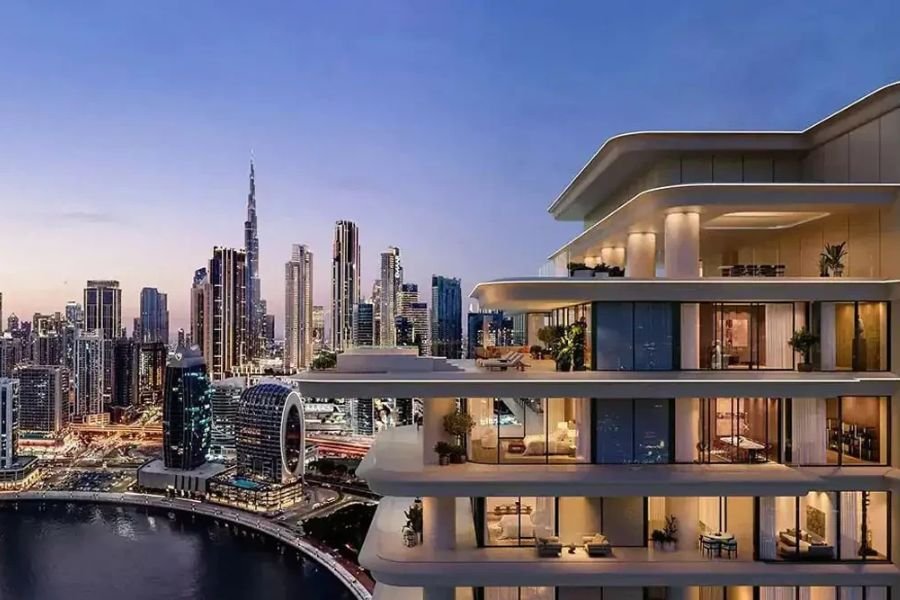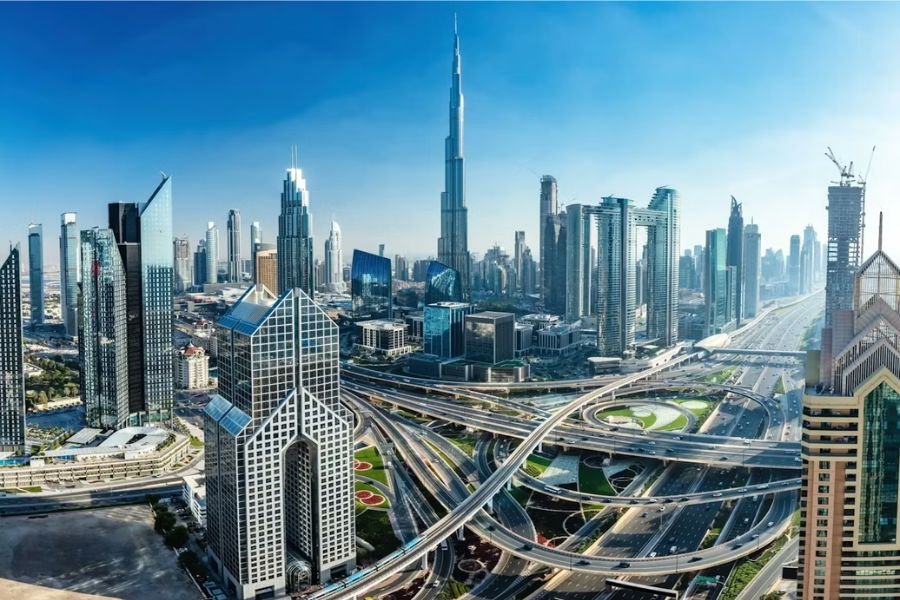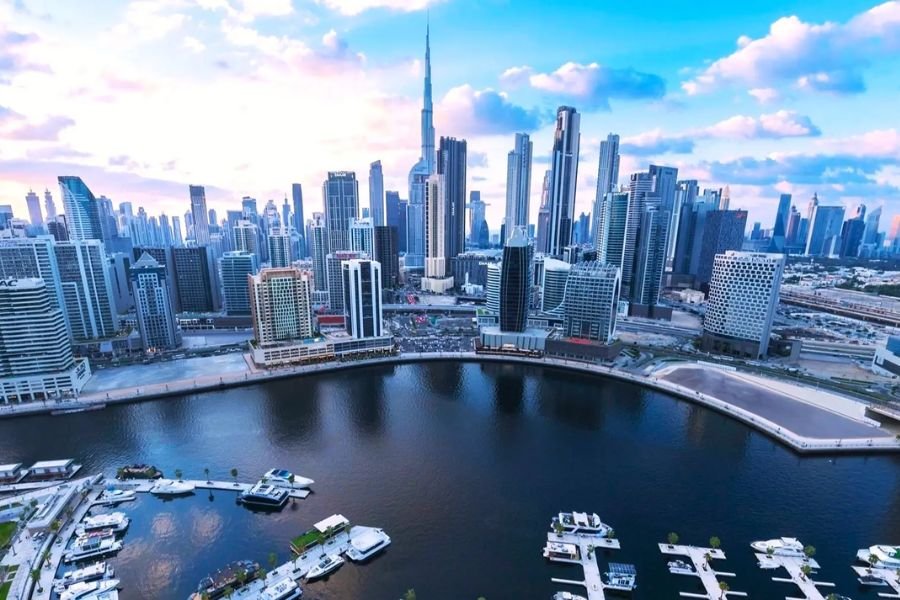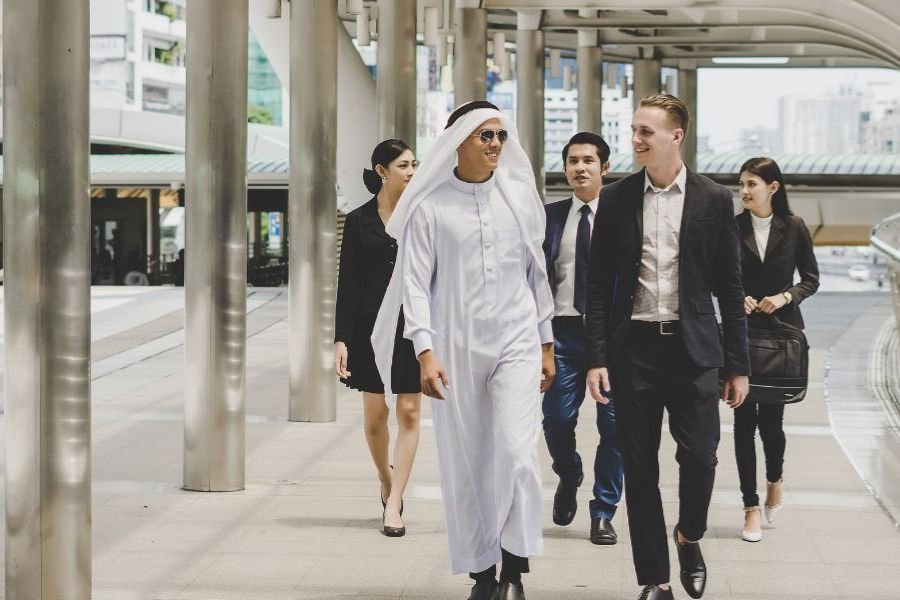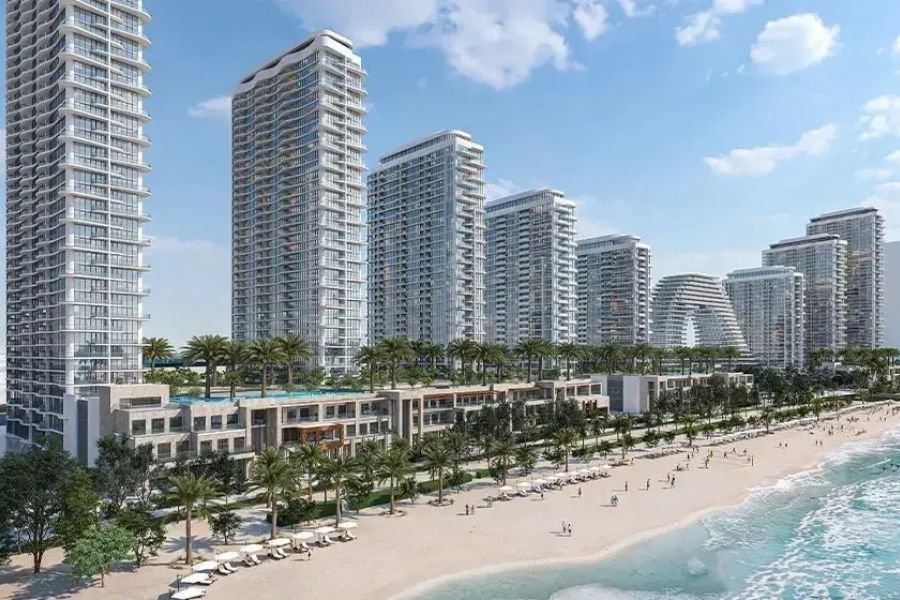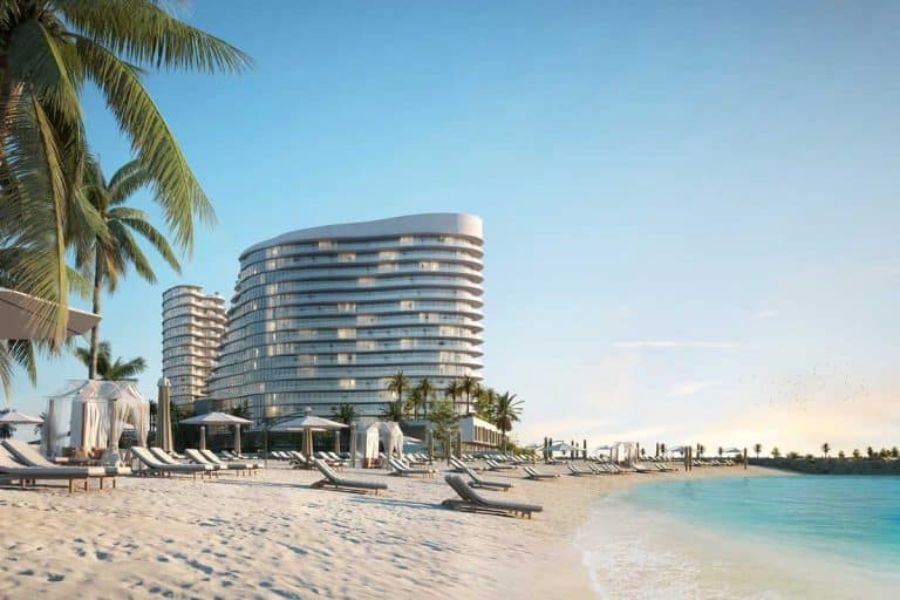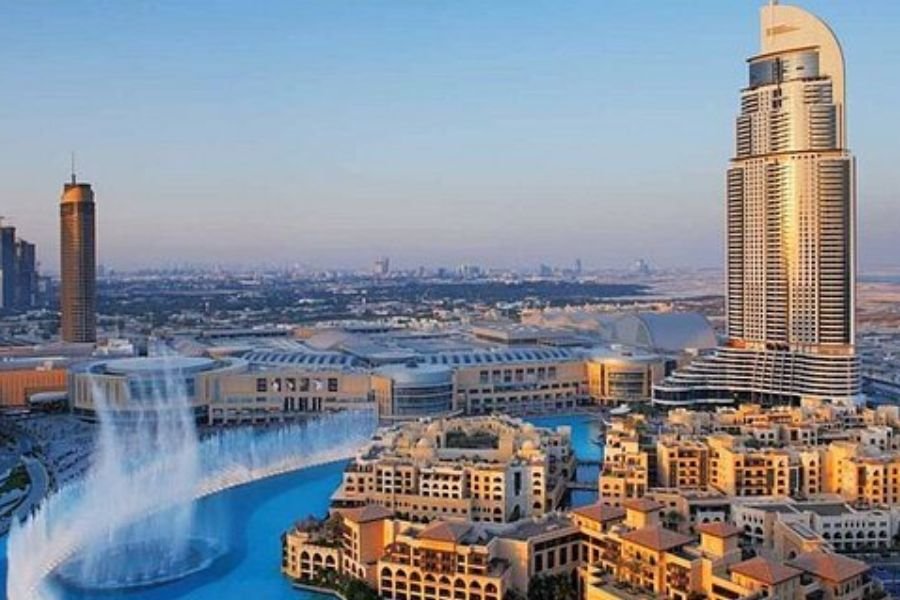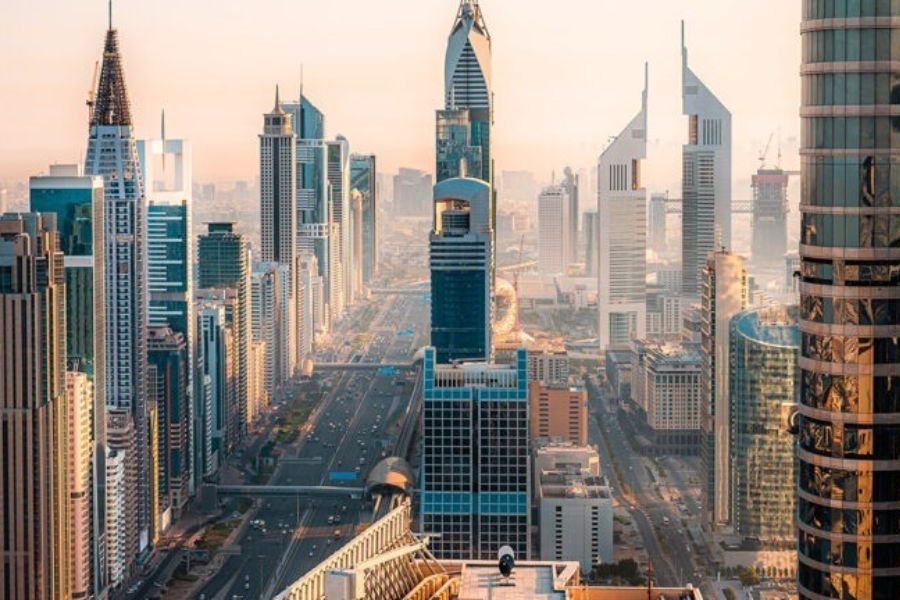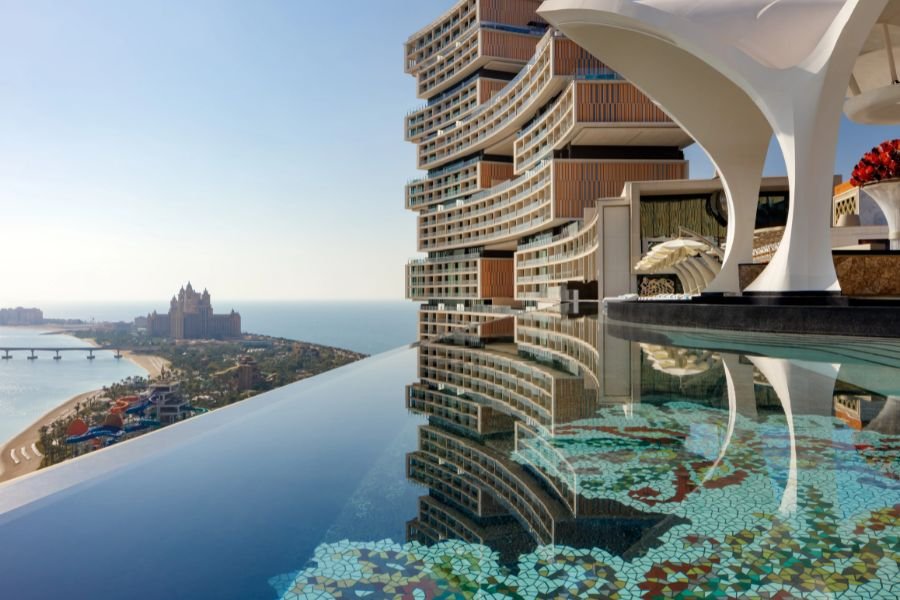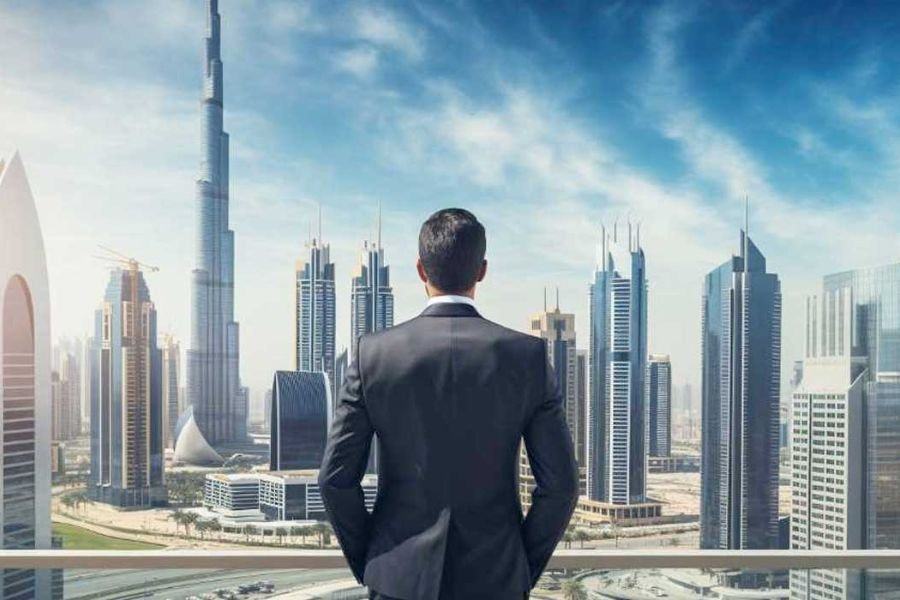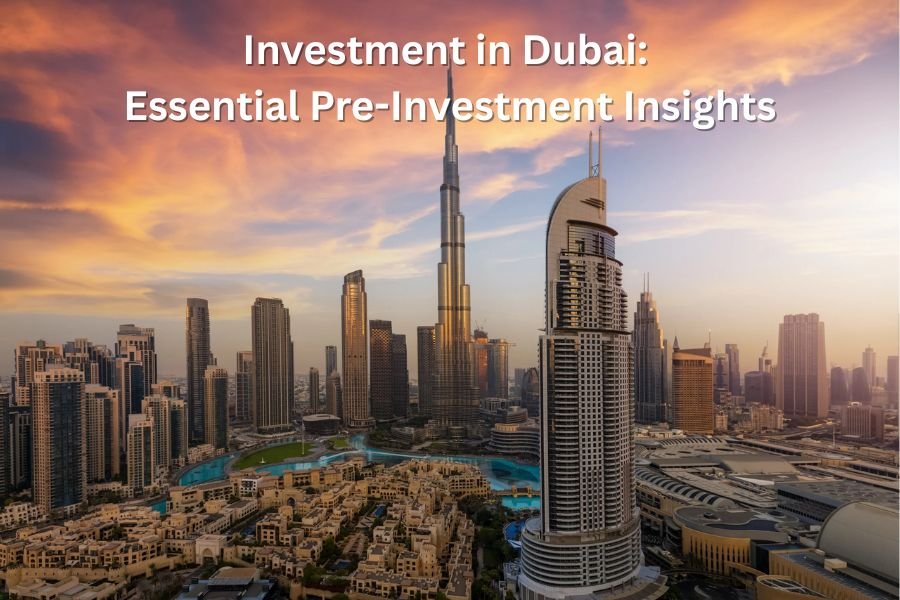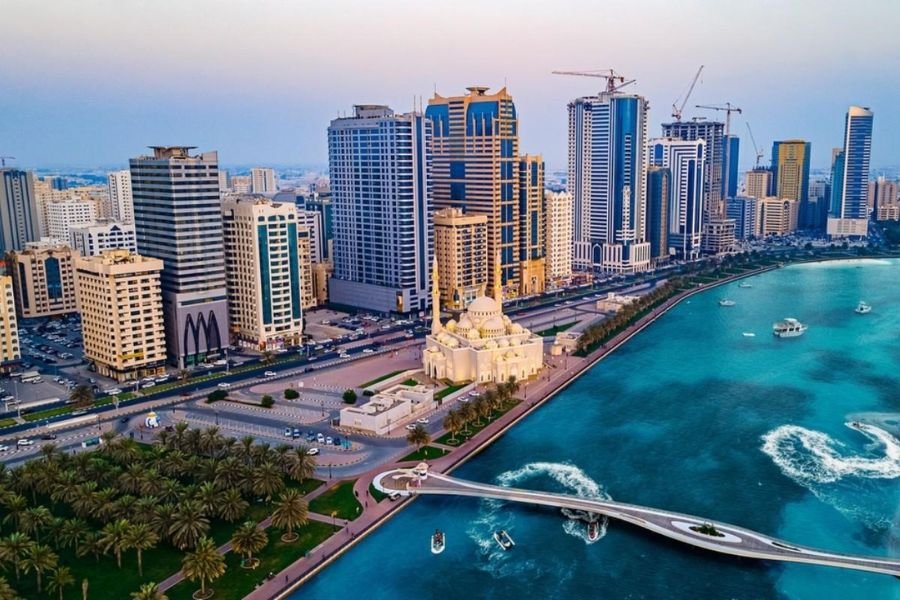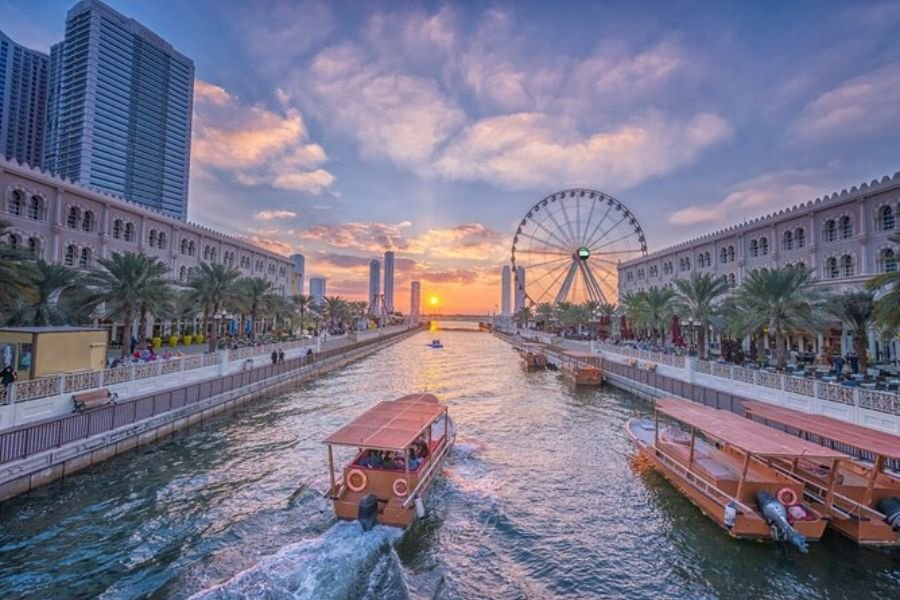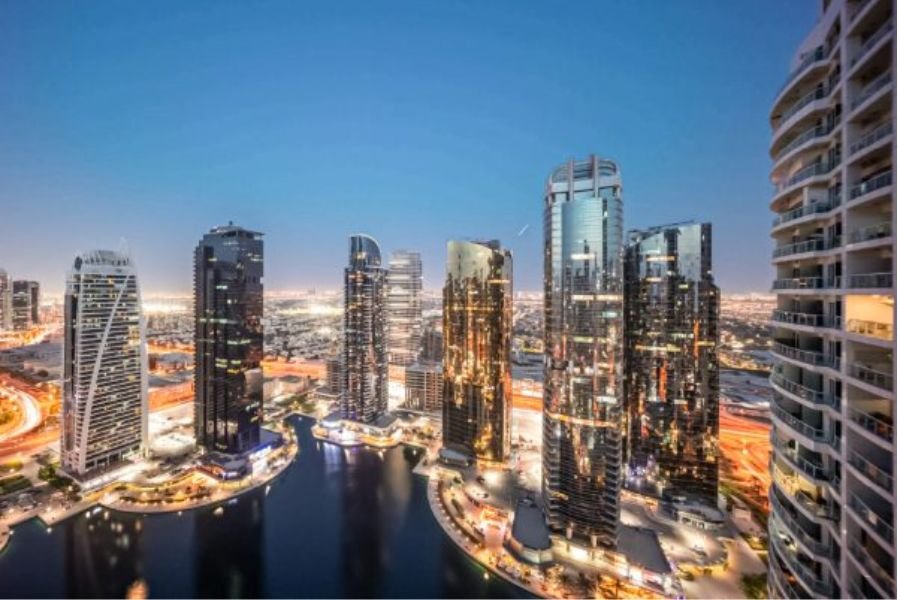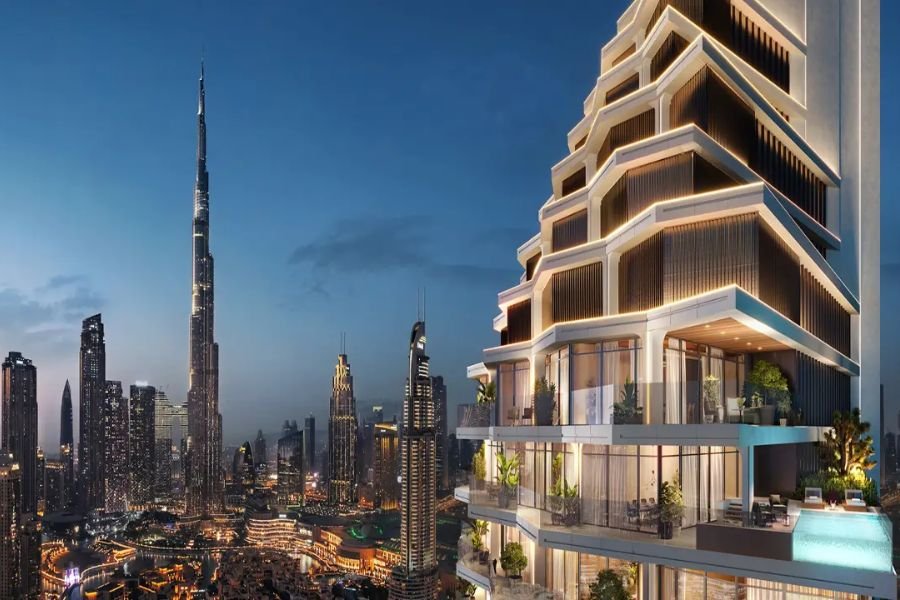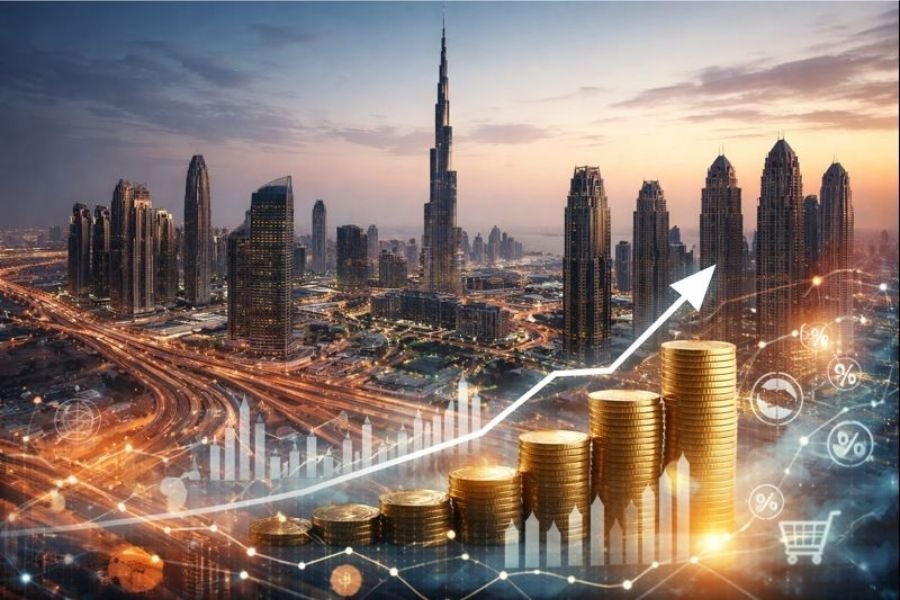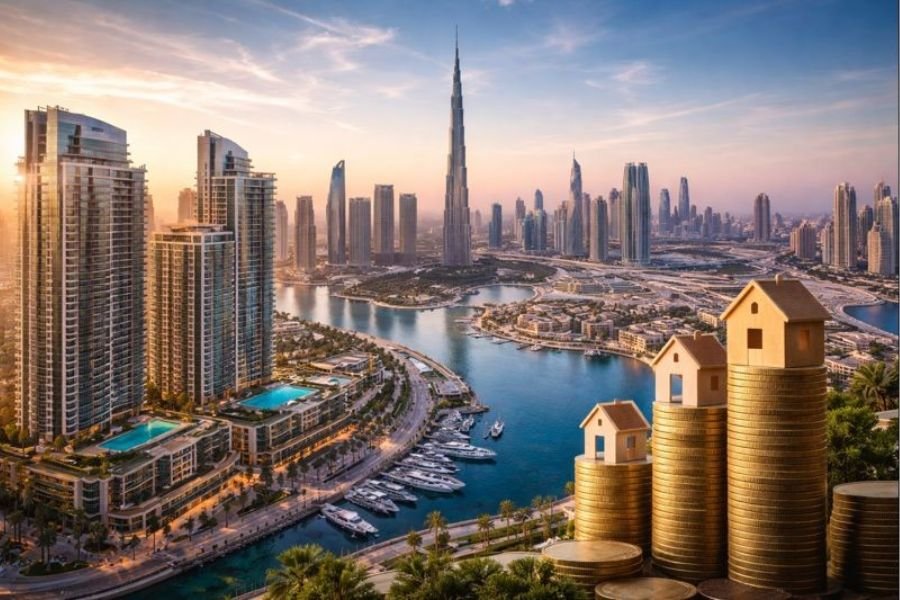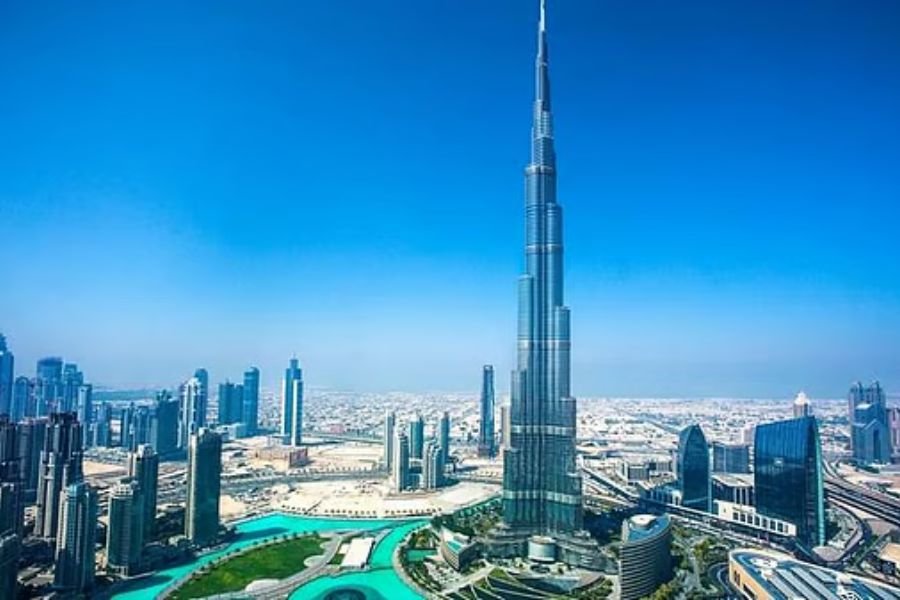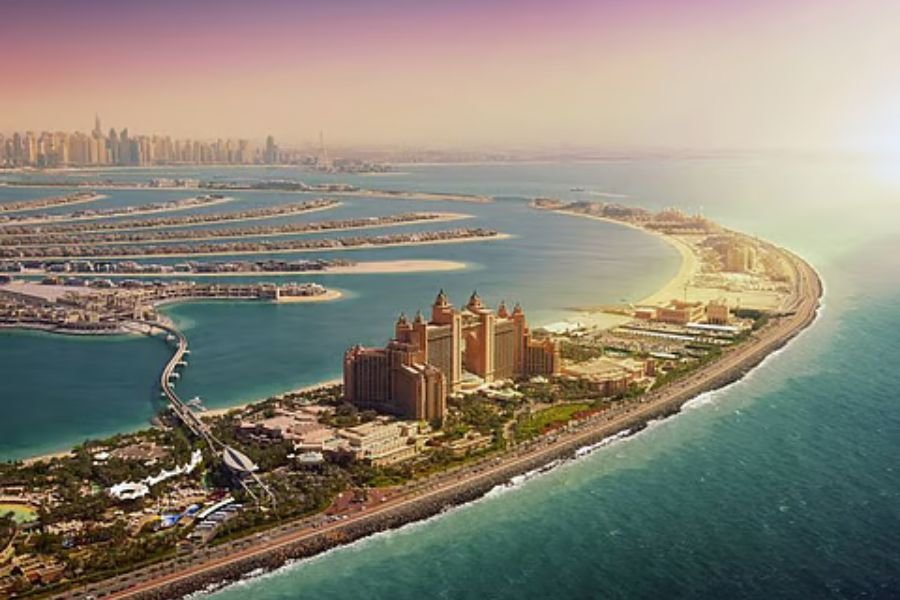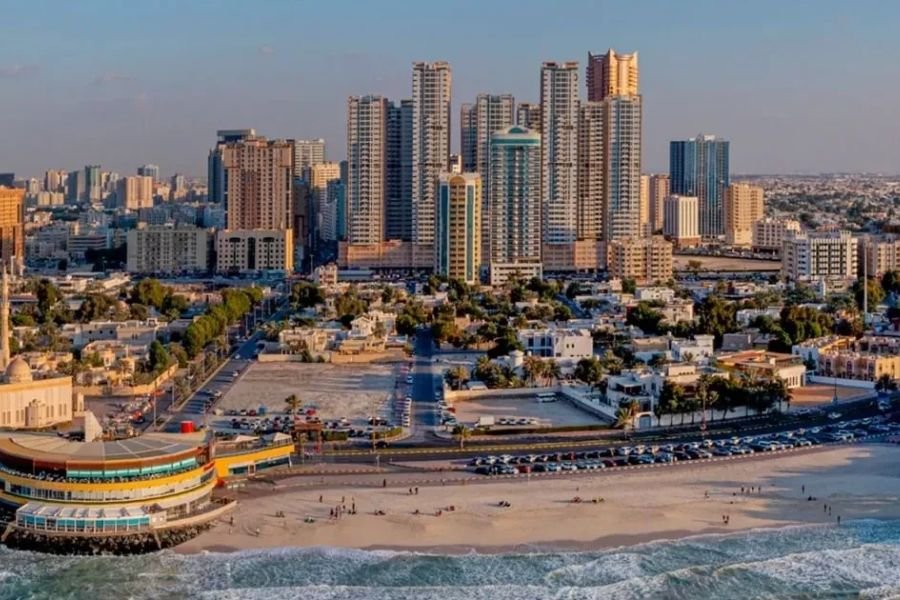
The United Arab Emirates (UAE) continues to position itself as one of the most resilient and forward-looking economies in the Middle East. According to projections by Standard Chartered, the country is expected to achieve Growth for UAE of around 5% in 2026, with the real estate sector playing a key supporting role. This forecast reflects confidence in the UAE’s diversified economic model, long-term policy planning, and sustained investments in infrastructure, healthcare, housing, and urban development.
From a medical and public health perspective, economic stability and growth are closely linked to population well-being. Strong economic performance supports better healthcare systems, improved living standards, safer housing, and healthier work environments. This article explores the drivers behind the projected growth, the role of real estate, and how these developments influence public health, quality of life, and long-term sustainability in the UAE.
Understanding the Projected Growth for UAE in 2026
Economic forecasts are based on a combination of fiscal policy, sectoral performance, global trends, and domestic resilience. The projected Growth for UAE reflects steady momentum across multiple sectors rather than reliance on a single industry.
Key factors supporting this growth include:
- Continued diversification away from oil dependency
- Expansion of the real estate and construction sectors
- Strong population growth driven by skilled migration
- Government investment in healthcare, education, and infrastructure
Together, these factors contribute to a stable economic environment that supports both economic productivity and population health.
The Role of Real Estate in Economic Expansion
Why Real Estate Matters to National Growth
Real estate is not only about buildings and land; it is a foundational sector that influences employment, urban planning, healthcare access, and community well-being. In the UAE, real estate development is closely aligned with national strategies for sustainable growth.
The strength of the bold UAE GDP growth 2026 outlook is partly attributed to:
- Increased residential and commercial property demand
- Long-term residency initiatives encouraging population stability
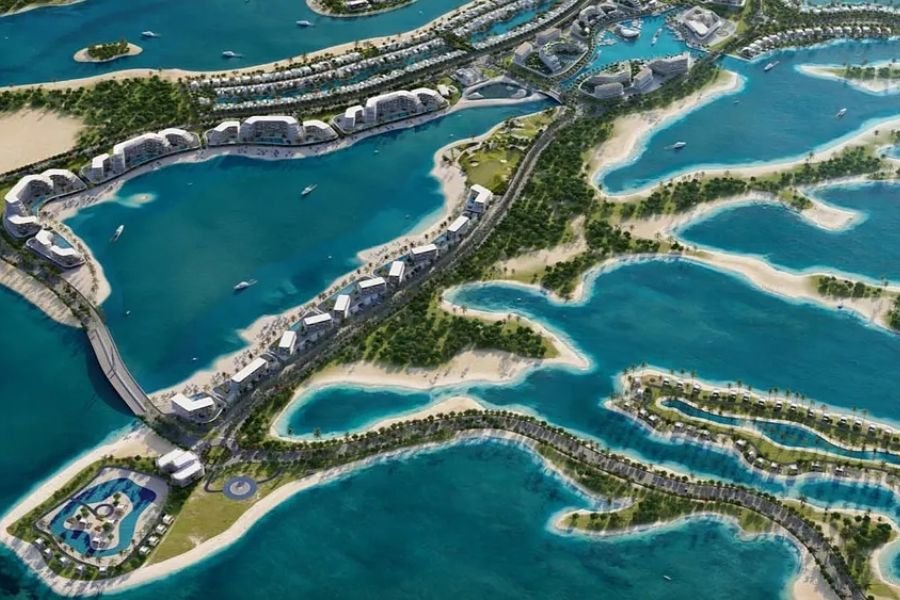
- Smart city and sustainable housing projects
These developments help create healthier living environments by prioritizing safety, ventilation, green spaces, and access to essential services.
Population Growth and Housing Demand
Population growth is a major driver of real estate expansion. As more professionals, families, and retirees choose the UAE as a long-term home, the demand for quality housing continues to rise.
This trend supports:
- Expansion of affordable and mid-range housing
- Development of mixed-use communities
- Improved urban healthcare access
From a public health viewpoint, planned housing reduces overcrowding, supports mental well-being, and lowers environmental health risks.
Real Estate and Public Health: A Critical Connection
Healthy Housing as a Public Health Priority
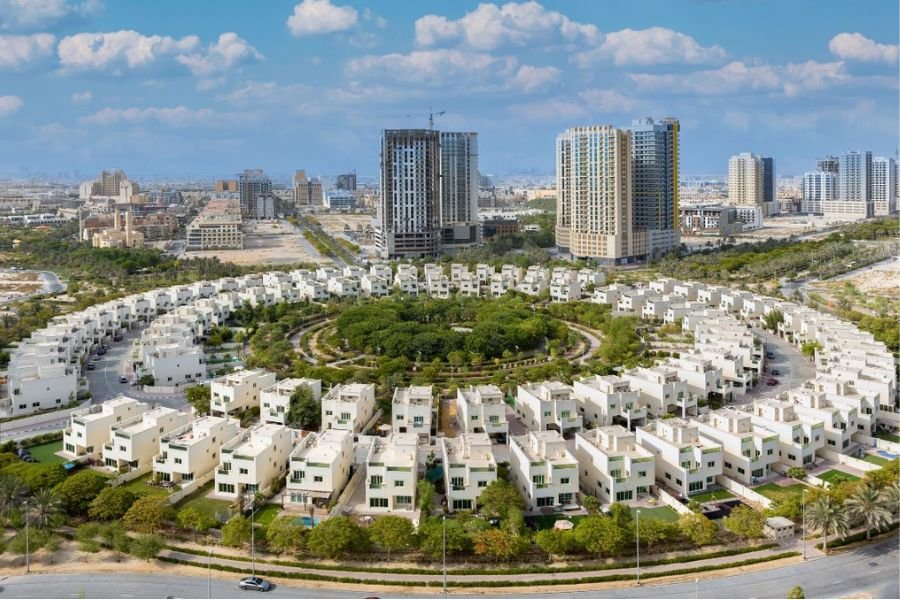
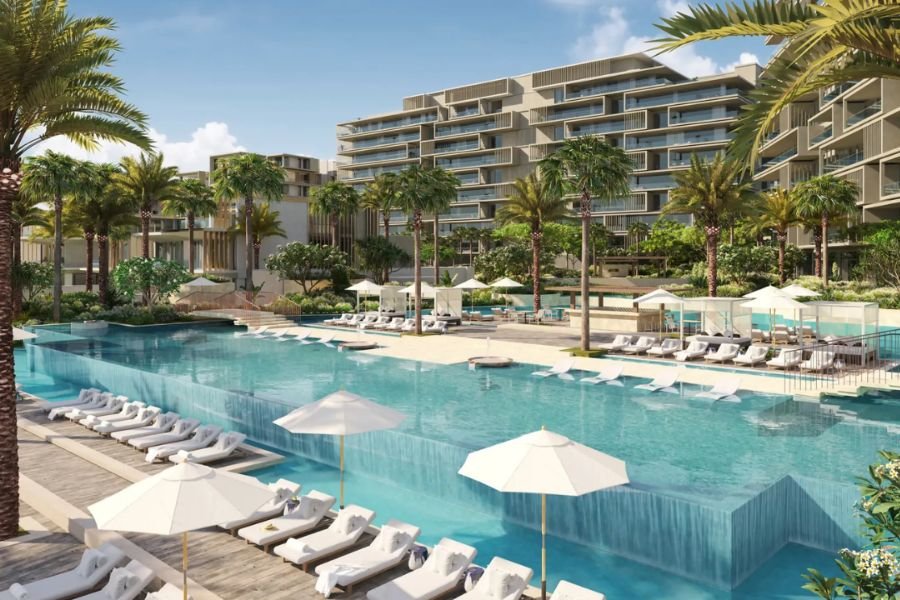
Modern real estate development in the UAE increasingly emphasizes health-focused design. This includes:
- Improved indoor air quality
- Access to natural light
- Noise reduction
- Proximity to healthcare facilities
Such features reduce the risk of respiratory conditions, stress-related disorders, and lifestyle diseases. As a result, the bold real estate sector UAE is not only an economic engine but also a contributor to preventive healthcare.
Urban Planning and Lifestyle Diseases
Urban design influences daily physical activity, dietary habits, and stress levels. Walkable neighbourhoods, green areas, and recreational facilities promote healthier lifestyles and reduce the burden of non-communicable diseases.
The UAE’s approach to urban development aligns with its long-term bold economic outlook UAE, ensuring that growth does not come at the cost of public health.
Government Policies Supporting Growth
Strategic Economic Diversification
The UAE government has implemented policies that support sustainable Growth for UAE by encouraging innovation, foreign investment, and non-oil sector expansion. Real estate benefits directly from these policies through:
- Investor-friendly regulations
- Long-term visas linked to property ownership
- Transparent legal frameworks
These measures increase investor confidence and contribute to economic stability.
Healthcare and Infrastructure Investment
Economic growth allows governments to reinvest in essential services. In the UAE, rising revenues support:
- Advanced healthcare infrastructure
- Preventive health programs
- Medical research and innovation
This creates a positive cycle where economic growth improves health outcomes, which in turn enhances workforce productivity.
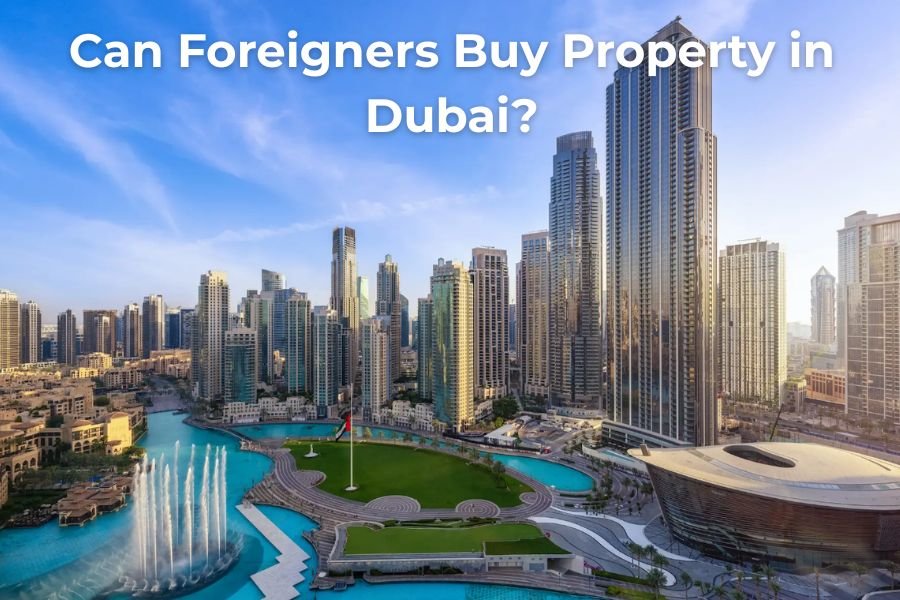
Dubai’s Real Estate Market as a Growth Indicator
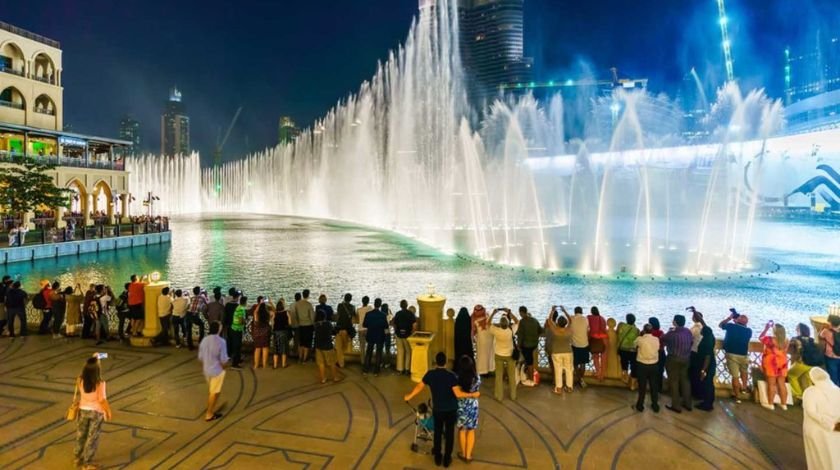
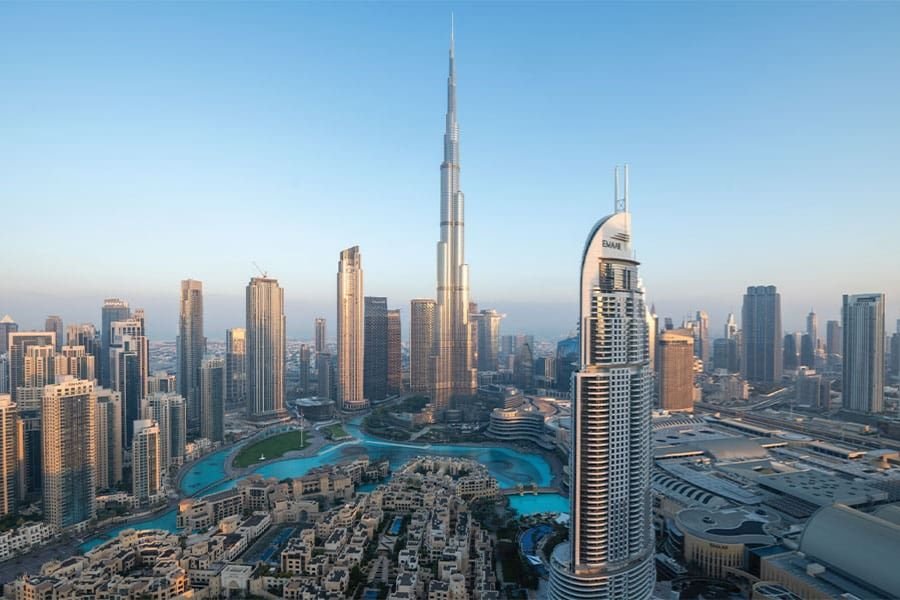
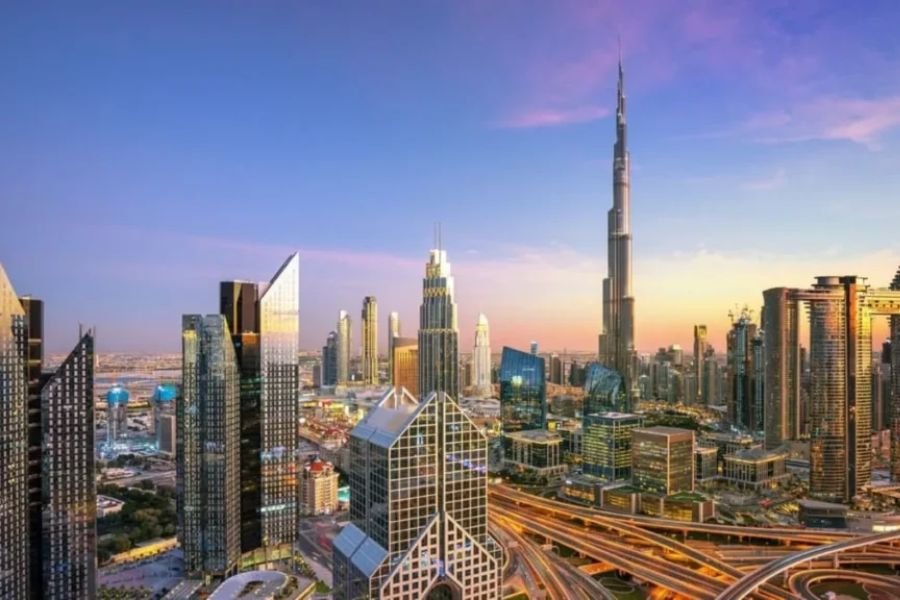
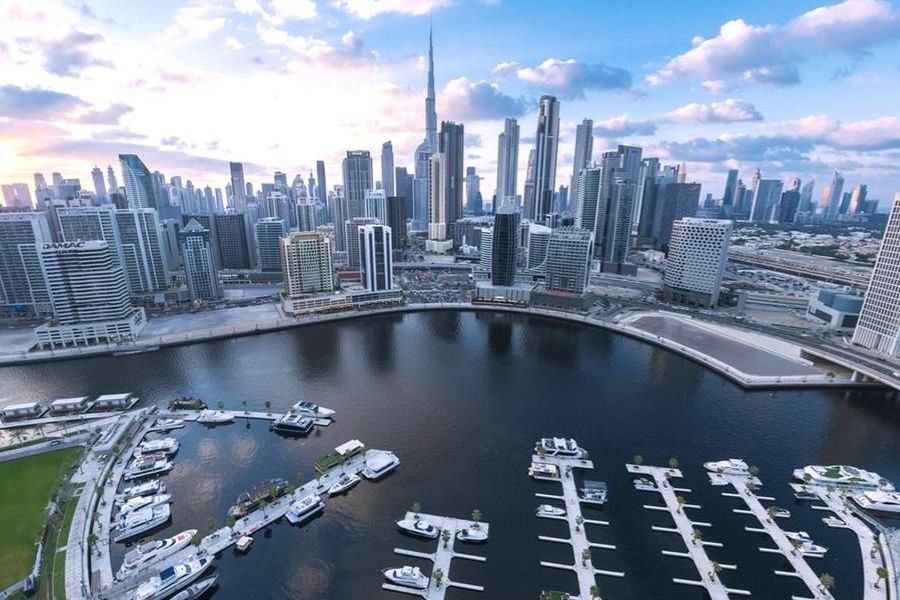
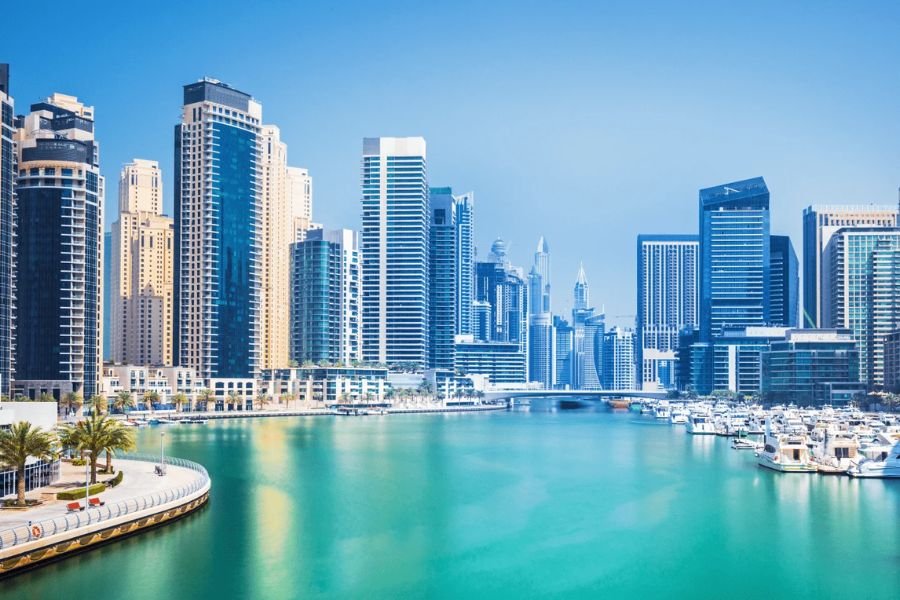
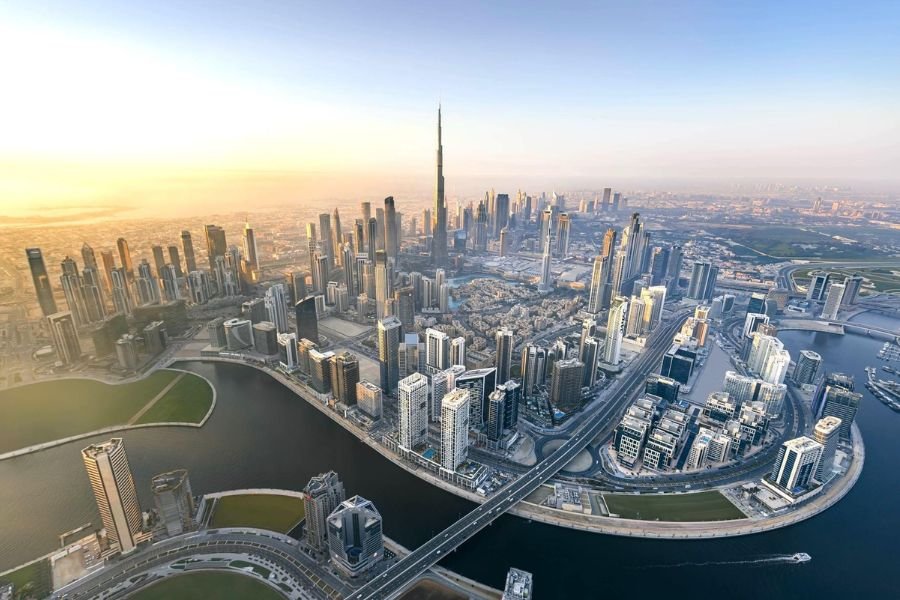
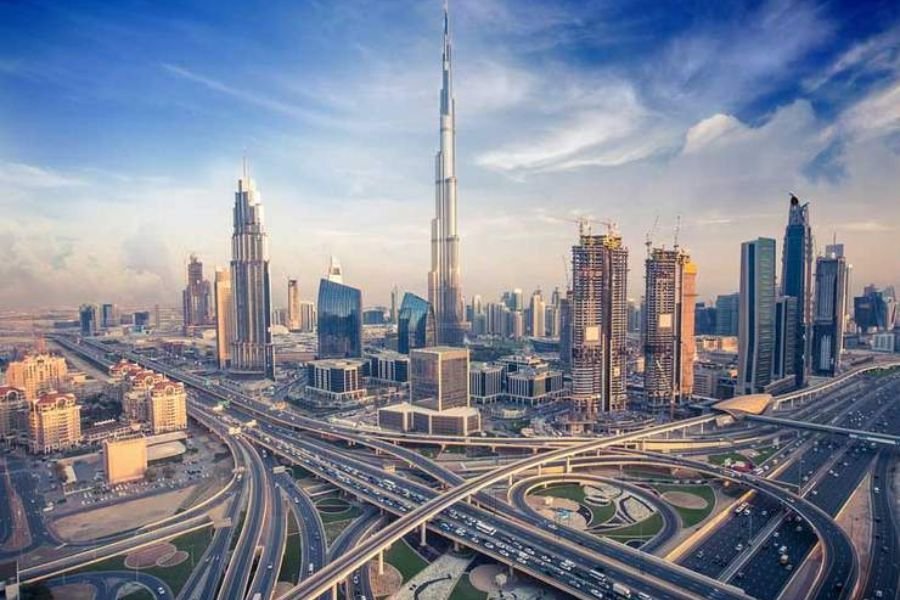
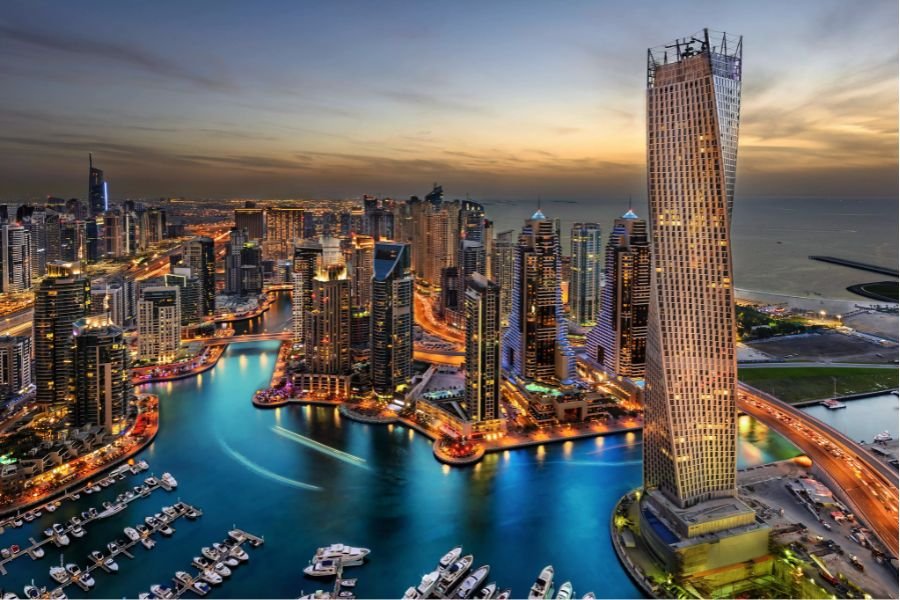
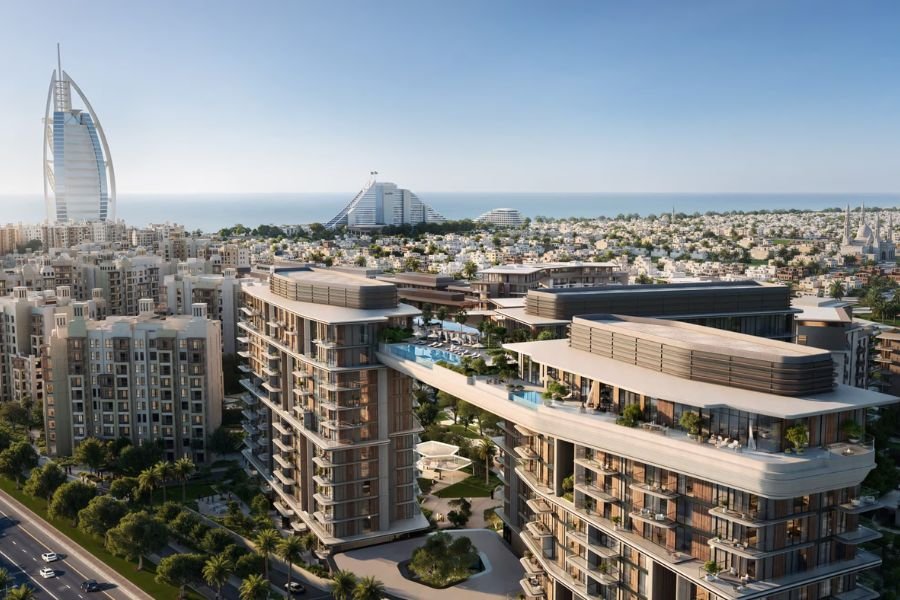
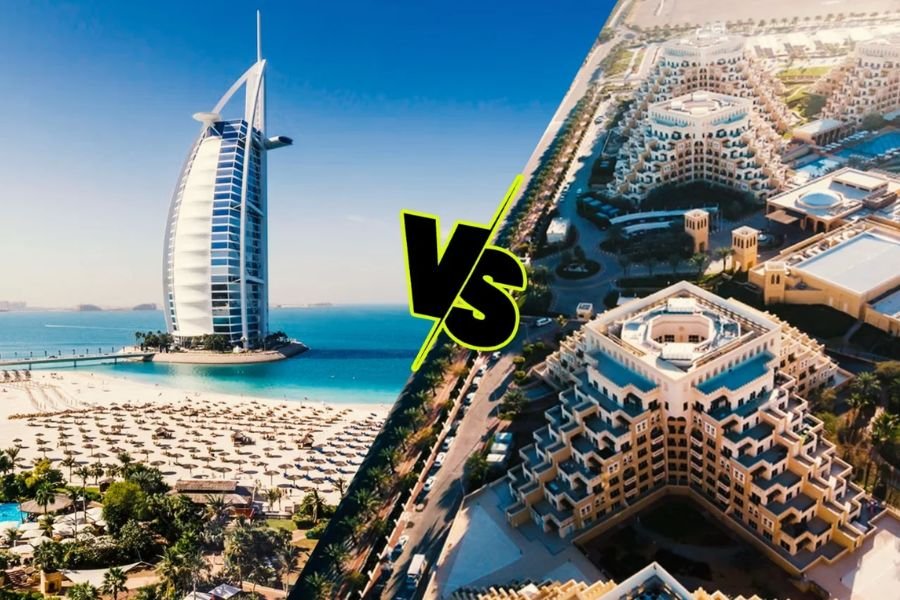
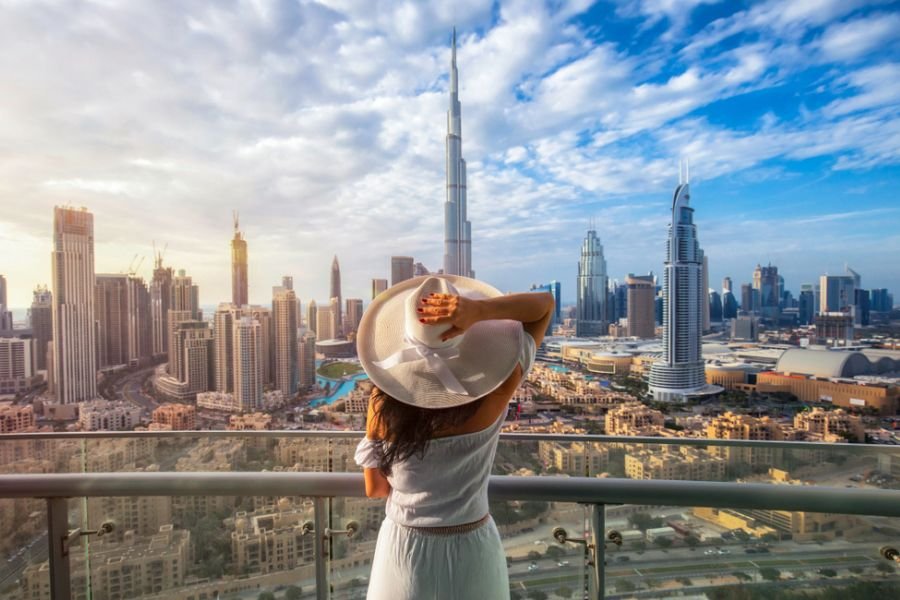
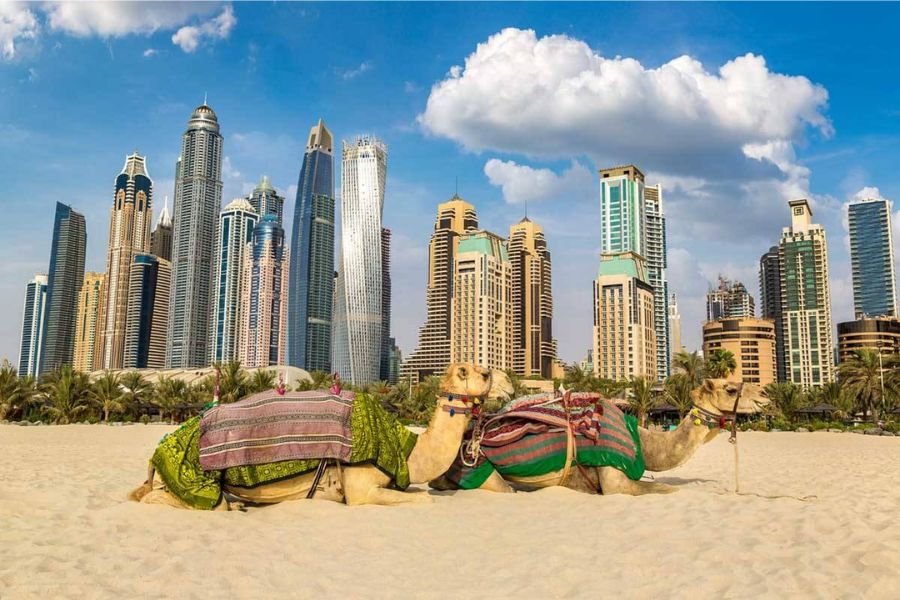
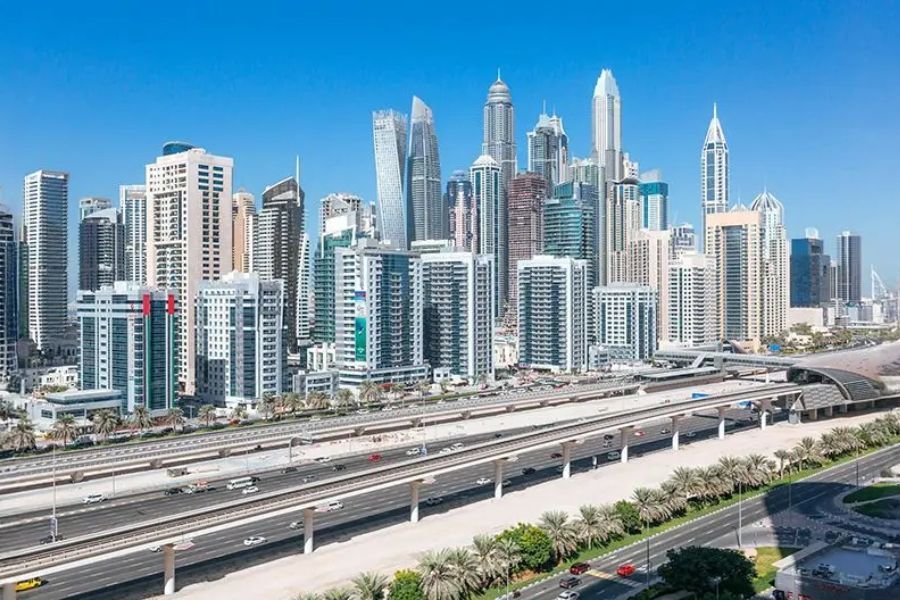
Dubai plays a central role in shaping the national real estate narrative. The city’s property market often reflects broader economic trends across the UAE.
Key characteristics of the bold Dubai real estate market include:
- Strong demand for residential properties
- Growth in logistics, warehousing, and commercial spaces
- Focus on sustainable and smart developments
These trends contribute to employment generation and support population health by improving living and working conditions.
Logistics, Relocation, and Economic Mobility
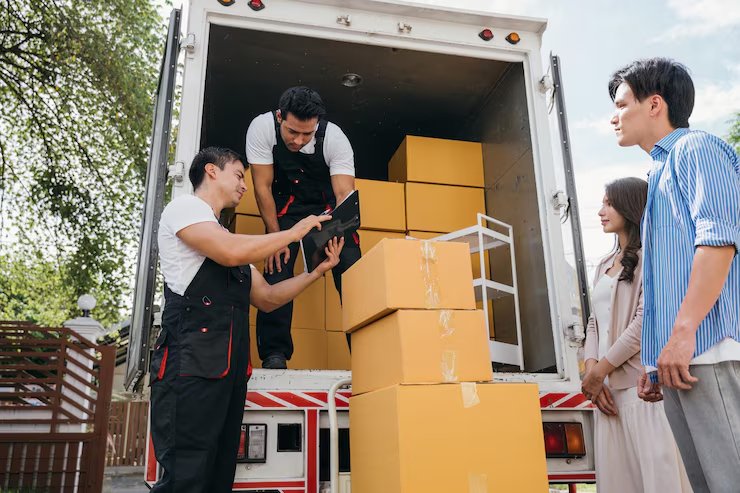
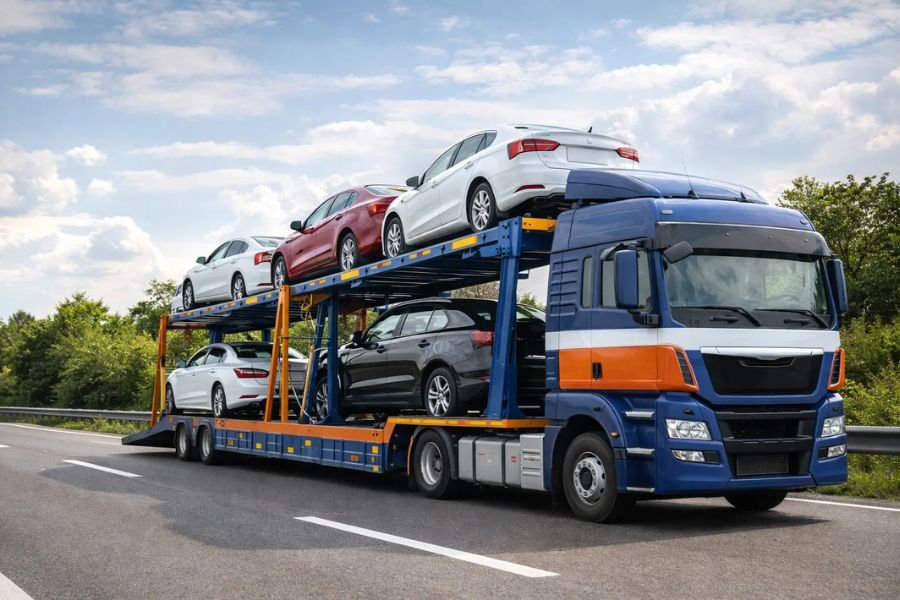
As real estate activity increases, so does the movement of people and goods. Efficient logistics are essential to support this mobility, especially for families and professionals relocating within or to the UAE.
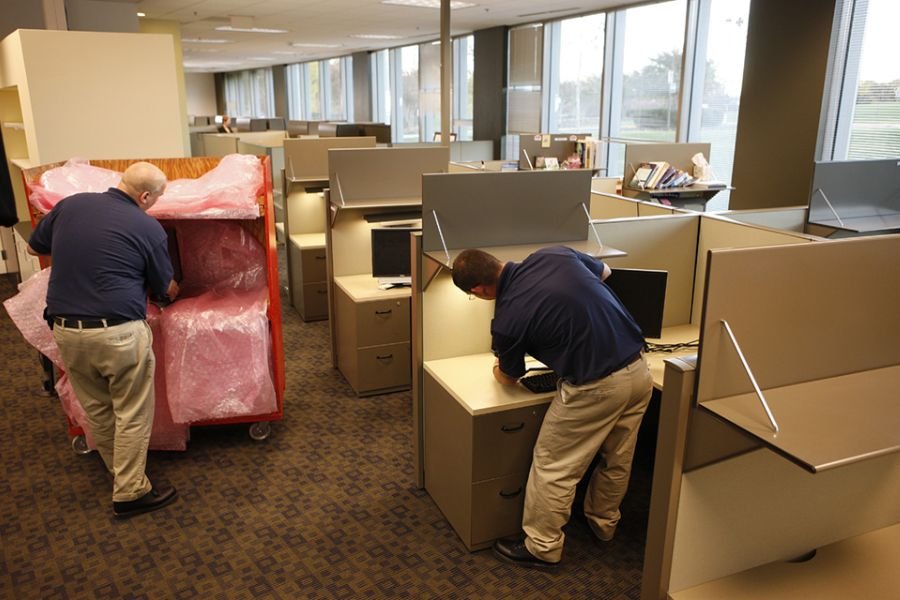
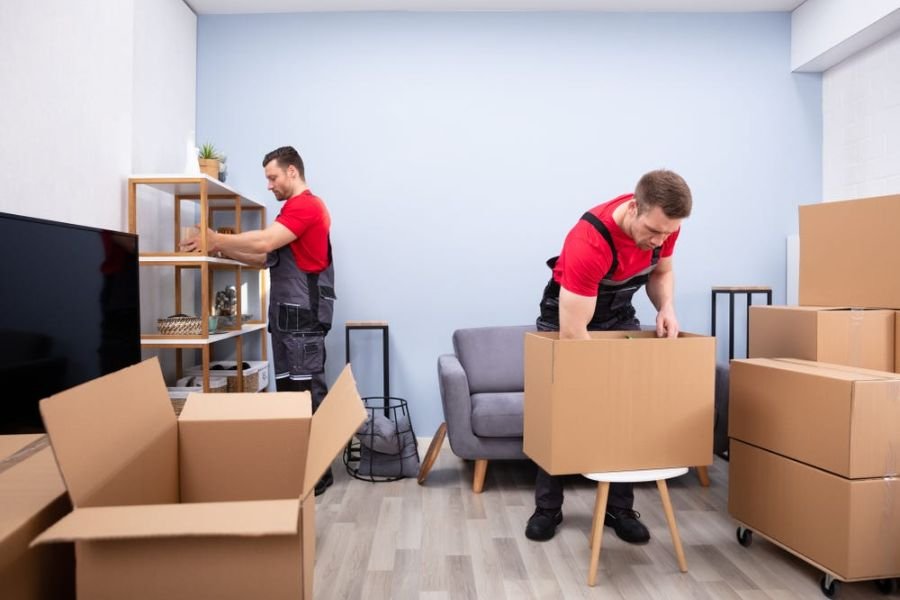
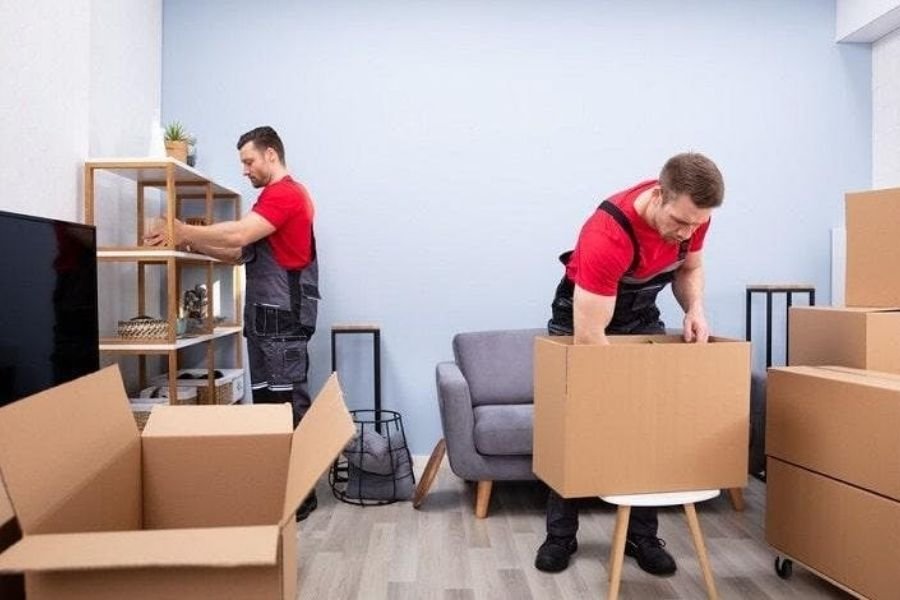
Companies like Dubai Packers and Movers play a supporting role in this ecosystem by helping individuals and businesses relocate safely and efficiently. Reduced relocation stress can have a positive impact on mental health, particularly for families and elderly individuals.
Real Estate Growth and Workforce Well-Being
Employment Opportunities and Occupational Health
The real estate sector generates employment across construction, engineering, maintenance, logistics, and management. Stable employment is a key social determinant of health, contributing to:
- Financial security
- Reduced stress
- Better access to healthcare
Occupational health standards in the UAE continue to improve, ensuring safer work environments in line with international guidelines.
Commercial Real Estate and Workplace Health
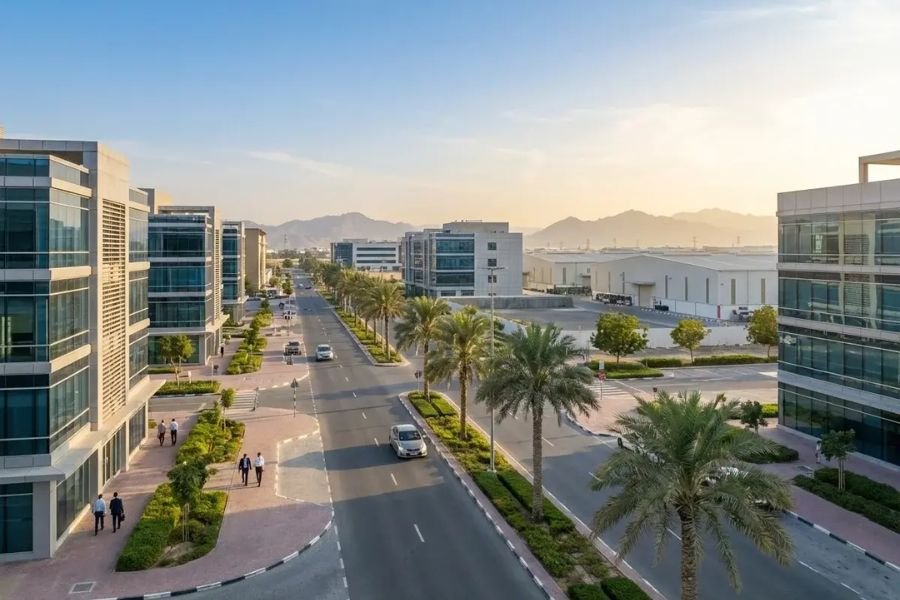
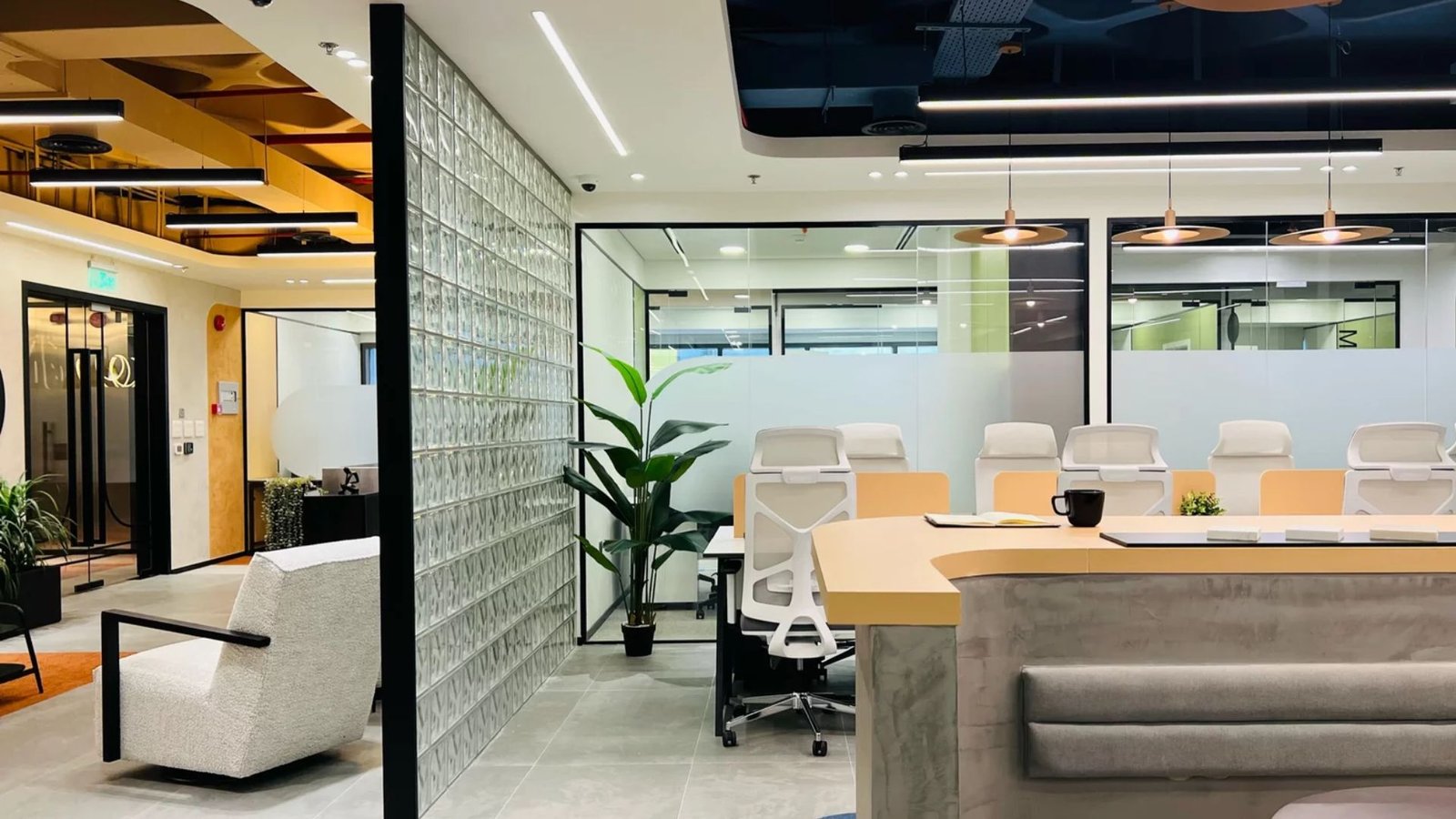
Modern commercial properties emphasise ergonomics, ventilation, and safety. These factors reduce workplace-related illnesses and support long-term employee well-being, reinforcing the broader Growth for UAE narrative.
Sustainability and Long-Term Economic Health
Green Buildings and Environmental Health
Sustainable real estate development reduces environmental health risks by:
- Lowering air pollution
- Improving energy efficiency
- Reducing heat-related stress
Green building standards contribute to healthier urban environments and support the UAE’s long-term bold infrastructure development UAE goals.
Climate Resilience and Health Protection
Climate-resilient infrastructure protects vulnerable populations from heat stress and environmental hazards. This is especially important in ensuring that economic growth remains inclusive and health-focused.
Risks and Responsible Growth
While the outlook for Growth for UAE is positive, responsible planning is essential. Overdevelopment, if unmanaged, can strain resources and public services. However, regulatory oversight and evidence-based planning help mitigate these risks.
Healthcare professionals and urban planners increasingly collaborate to ensure that development supports long-term population health.
The Broader Economic Outlook
Standard Chartered’s projection aligns with broader regional and global economic indicators. The UAE’s focus on real estate, tourism, logistics, and healthcare creates a diversified growth model.
The bold economic outlook UAE remains strong due to:
- Fiscal discipline
- Policy stability
- Strategic global positioning
These factors support investor confidence and long-term social stability.
How Businesses and Families Benefit from Growth
Economic expansion creates opportunities for businesses, entrepreneurs, and families. Improved infrastructure, better housing, and expanded healthcare services enhance quality of life.
For families relocating or expanding operations, working with experienced service providers such as Dubai Packers and Movers can simplify transitions and reduce logistical stress during periods of growth.
Frequently Asked Questions (FAQs)
1. What does 5% Growth for UAE mean in practical terms?
It indicates a healthy expansion of the economy, leading to more jobs, better infrastructure, and improved public services.
2. Why is real estate important for UAE’s economic growth?
Real estate supports employment, urban development, healthcare access, and population stability, making it a key growth driver.
3. How does economic growth affect healthcare quality?
Stronger economies can invest more in healthcare infrastructure, technology, and preventive care, improving health outcomes.
4. Is the projected growth sustainable?
Yes, due to diversification, regulatory oversight, and long-term planning focused on sustainability and public well-being.
5. How does real estate growth impact families?
It improves access to quality housing, schools, healthcare facilities, and community services.
6. Can relocation services support economic mobility?
Yes. Professional services like Dubai Packers and Movers help individuals and businesses relocate smoothly, supporting workforce mobility.
Conclusion
The projected Growth for UAE of 5% in 2026 reflects a well-balanced and forward-looking economic strategy, with real estate acting as a strong pillar of support. Beyond economic figures, this growth has meaningful implications for public health, housing quality, employment, and overall well-being.
By aligning real estate development with healthcare, sustainability, and social needs, the UAE demonstrates how economic progress can support healthier communities. For individuals and businesses navigating this growth, trusted partners like Dubai Packers and Movers can provide practical support, making transitions smoother in a rapidly evolving environment.