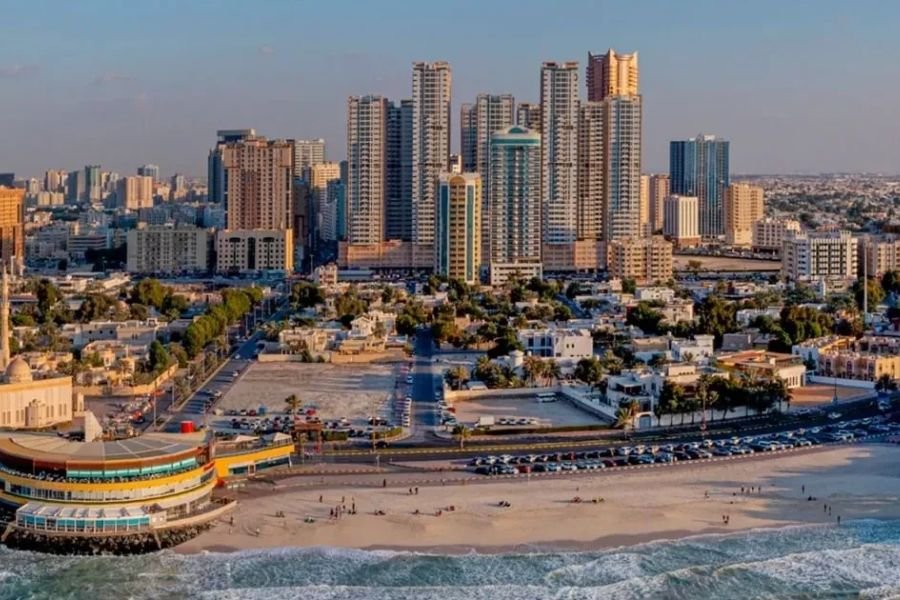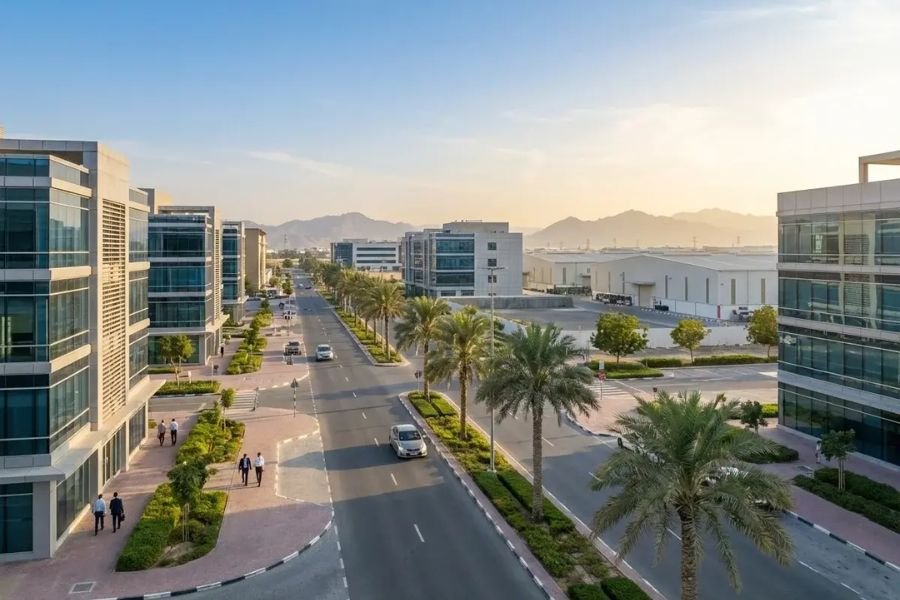
Fujairah offers a peaceful escape from Dubai's bustle, with Fujairah Fort standing as its historical crown jewel. When planning things to visit in Fujairah, this 16th-century landmark, paired with the adjacent Heritage Village, delivers authentic UAE culture and stunning views. Perfect for history buffs and families, these sites blend education with outdoor exploration while prioritising visitor health in the warm climate.
Why Fujairah Fort Tops Things to Do in Fujairah
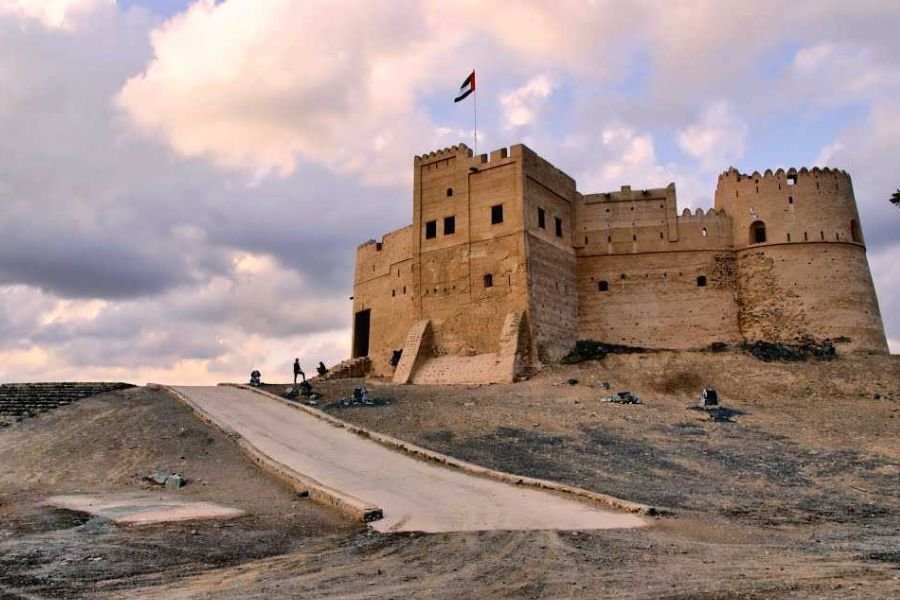
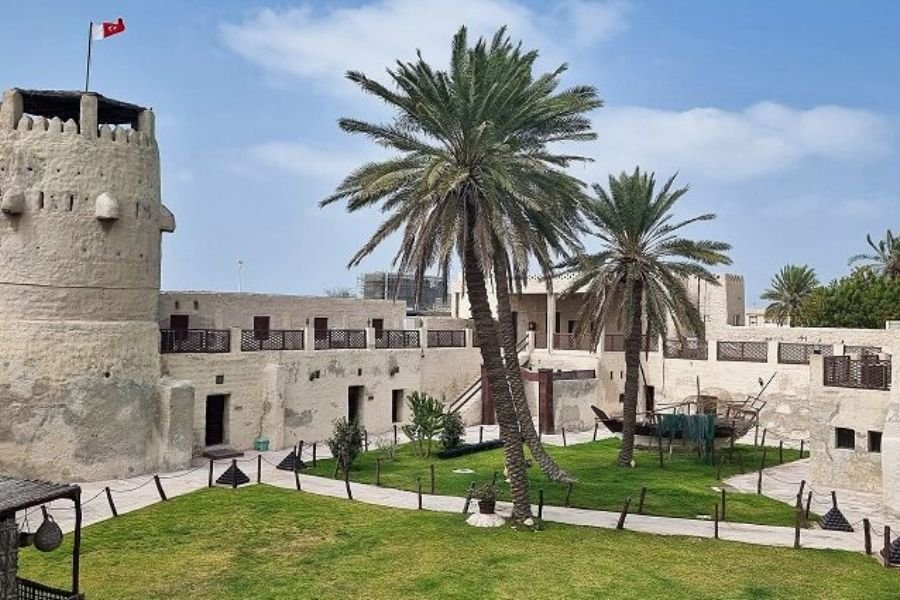
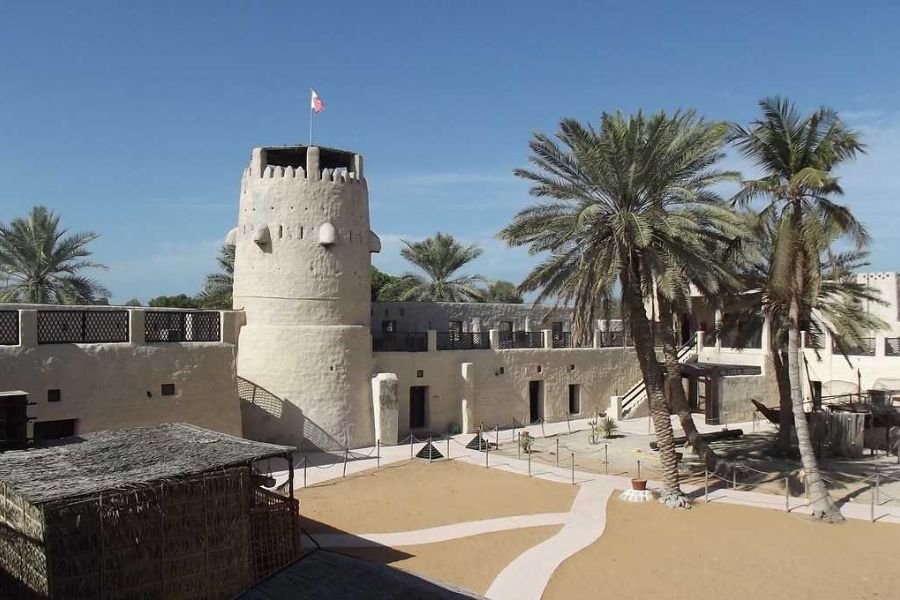
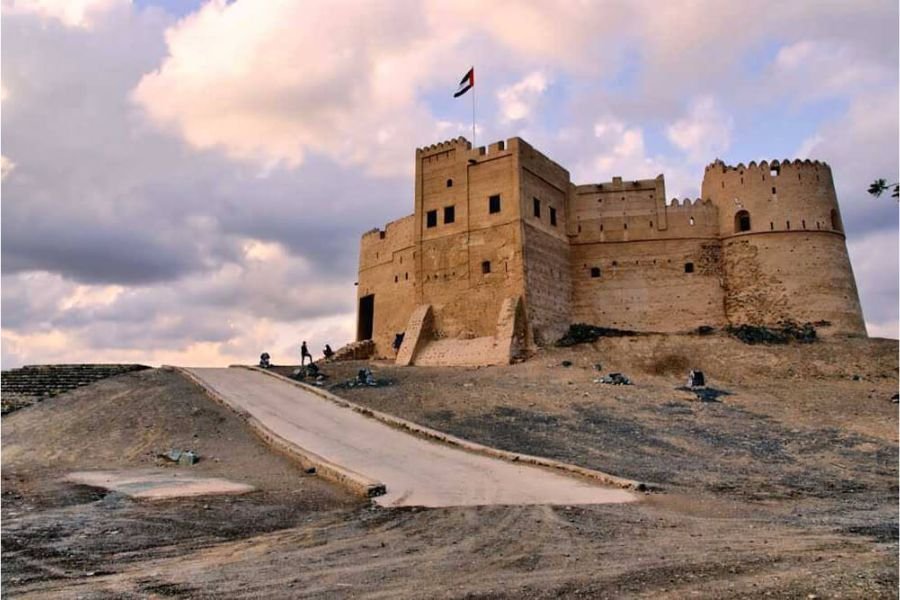
Nestled on a rocky hill overlooking the city and the Gulf of Oman, Fujairah Fort represents resilience and strategic defence. Built between 1500-1550 AD using local stone, gravel, mud, and gypsum, it served as a stronghold against invasions, protecting trade routes and date palm oases. Renovated in 2002 after earlier rebuilding around 1650-1700, the fort now welcomes visitors to its restored interiors.
As a certified medical specialist, I advise scheduling morning visits to avoid peak heat, as UV exposure increases dehydration risk. Wear breathable clothing and apply SPF 30+ sunscreen, reapplying every two hours. To do in Fujairah starts here for a low-impact cultural immersion that boosts mental well-being through historical connection.
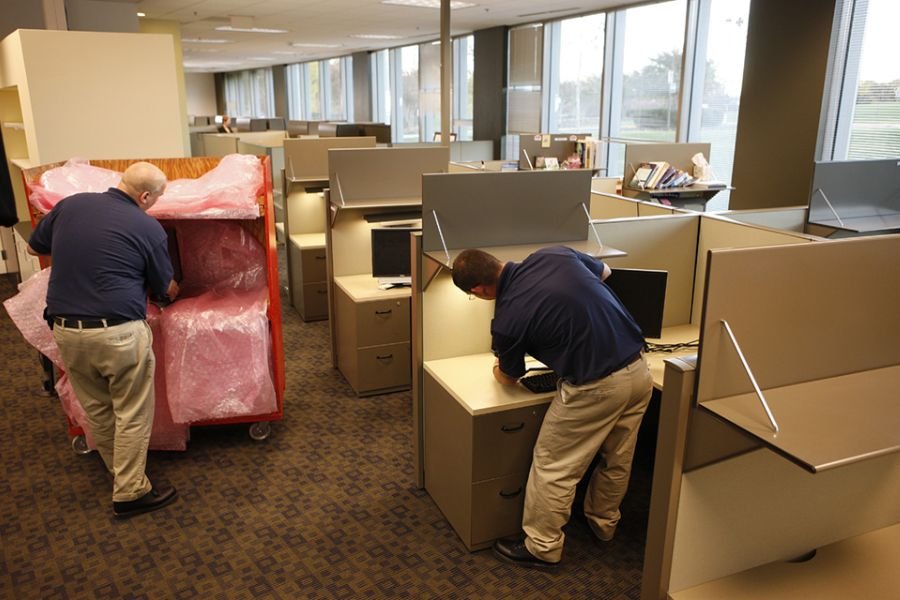
For those relocating to Fujairah, Best Packers and Movers in Fujairah, like Dubai Packers and Movers, ensure smooth transitions, handling delicate artefacts or furniture to preserve your new home's charm near these heritage sites.
History of Fujairah Fort and Museum: A Timeline
Fujairah Fort and museum elements trace centuries of UAE evolution. Carbon dating confirms its foundation in the early 16th century, possibly during Portuguese influence or by local Al Sharqi rulers. The fort's irregular shape adapts to the rocky terrain, covering 610 square meters with three round watchtowers and one square "Murabaa" keep rising 2.5 meters above the walls.
Inside, discover living quarters, storage rooms, a madbasa for date pressing, and a small prison tower. Defensive loopholes and high walls guarded against maritime threats. The nearby museum displays artefacts like pottery, weapons, and jewellery, offering context without overwhelming crowds.
Historians link it to Iron Age predecessors like Awhala Fort (9th century BC), highlighting Fujairah's enduring defensive role. Visiting promotes gentle walking, aim for 30 minutes daily to support circulation, but rest in shaded areas if dizzy from heat.
Architecture Highlights: What Makes Fujairah Fort Unique
Traditional Emirati design shines in Fujairah Fort. Walls blend stone, clay, hay, and plaster for durability in harsh conditions. Roofs use palm fronds, trunks, and mangrove poles, showcasing sustainable practices. The non-standard layout, unlike uniform UAE forts, follows the hill's contours, with towers connected by sturdy barriers.
Climb to the roof for panoramic views of Fujairah city, mountains, and sea. This vantage aided surveillance historically. Health note: Use handrails on uneven steps to prevent trips; ankle support shoes reduce strain on joints.
The adjacent Heritage Village recreates 19th-century life with mud-brick homes, a mosque, and artisan workshops. Wander narrow alleys to see weaving, pottery, and coffee preparation, interactive yet low-exertion activities ideal for all ages.
Practical Visitor Guide: Best Times and Tips for Things to Visit in Fujairah
Plan to do it in Fujairah efficiently. The site opens 8:30 AM-5:30 PM daily, free entry. Mornings (9-11 AM) offer cooler temperatures and fewer crowds. Weekdays suit quieter exploration; weekends draw locals.
Parking is ample nearby. From Dubai, drive 1.5 hours via the E11 highway. Public buses run from Union Square. On-site facilities include restrooms and a small café, opt for bottled water and fresh fruits to maintain electrolyte balance.
As temperatures climb, recognise heat exhaustion signs: fatigue, nausea. Sip water hourly; electrolytes aid recovery. Families with children should pack snacks and hats, short visits prevent overstimulation.
Nearby Attractions: Building Your Fujairah Fort Day Trip
Combine Fujairah Fort and the museum with complementary places to visit in Fujairah. Walk 5 minutes to Bithnah Fort, a smaller 18th-century gem amid date palms. Drive 20 minutes to Fujairah Museum for expanded exhibits on pearl diving and Bedouin tools.
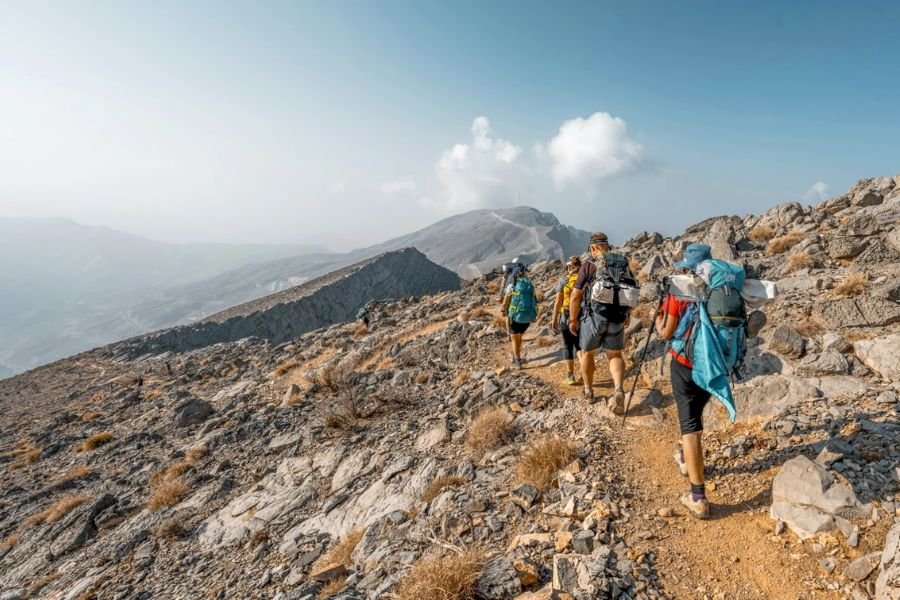
Hike to Ain Al Ghamour Spring (30 minutes away) for natural pools, refreshing, but test the water depth first to avoid slips. Beaches like Dibba or Snoopy Island offer seaside relaxation post-history. These pairings create balanced itineraries, mixing sedentary sightseeing with light activity for cardiovascular health.
Health and Safety Essentials for Fujairah Exploration
Prioritise well-being at Fujairah Fort. UAE's east coast humidity amplifies heat stress, drink 3 liters water daily, more if active. Use wide-brimmed hats and UV clothing; seek shade every 30 minutes. Insect repellent guards against sandflies at dusk.
For respiratory health, note occasional dust; those with asthma carry inhalers. Steps and rocks pose trip hazards; hold children's hands. Post-visit, rinse skin to remove grit, preventing irritation. Pregnant visitors or those with mobility issues find ground-level views accessible.
Best Packers and Movers in Fujairah advise securing valuables during travel; their services extend to Fujairah for stress-free moves, including climate-controlled storage for sensitive items.
Cultural Etiquette and Preservation at Fujairah Heritage Sites
Respect traditions at things to visit in Fujairah. Dress modestly (shoulders/knees covered); photography allowed outside prayer times. Avoid touching exhibits, preserving history for future generations.
Support sustainability: Stick to paths to prevent erosion. Local guides share oral histories, enriching visits without physical strain. Engage mindfully to reduce cultural shock for newcomers.
Relocating to Fujairah? Heritage Meets Modern Living
Fujairah's calm allure draws expats seeking affordability beyond Dubai. Fujairah Fort inspires settling near history. Dubai Packers and Movers, as the best Packers and Movers in Fujairah, specialises in east coast relocations, packing fragile heirlooms akin to fort artefacts.
Their teams manage customs, delivery, and unpacking, minimising back strain. Choose homes near heritage zones for daily walks promoting longevity.
Day Trip Itinerary: Maximizing To Do in Fujairah
Sample schedule:
- 8 AM: Depart Dubai.
- 9:30 AM: Arrive Fujairah Fort; 1-hour tour.
- 11 AM: Heritage Village stroll.
- 12 PM: Lunch at nearby Emirati café (grilled fish, salads).
- 1 PM: Fujairah Museum.
- 3 PM: Beach unwind.
- 5 PM: Return.
Adjust for energy levels, hydration breaks are essential.
FAQ
What are the top things to do in Fujairah?
Visit Fujairah Fort, Heritage Village, beaches, and springs for history and nature.
How old is Fujairah Fort?
Built 1500-1550 AD, rebuilt 1650-1700; UAE's largest surviving fort.
Best time to visit Fujairah Fort and the museum?
Mornings October-April; avoid summer midday heat.
Is Fujairah Fort accessible for families?
Yes, flat areas suit strollers; steps are optional with supervision.
Who are the Best Packers and Movers in Fujairah?
Dubai Packers and Movers excel in reliable, insured East Coast relocations.
Entry fees for things to visit in Fujairah forts?
Free; donations appreciated for maintenance.
Exploring Fujairah Fort uncovers UAE roots while refreshing body and mind. Add it to your to-do list in the Fujairah list for meaningful adventures. Planning a move? Contact Dubai Packers and Movers, the Best Packers and Movers in Fujairah, for seamless support to embrace this heritage-rich emirate.