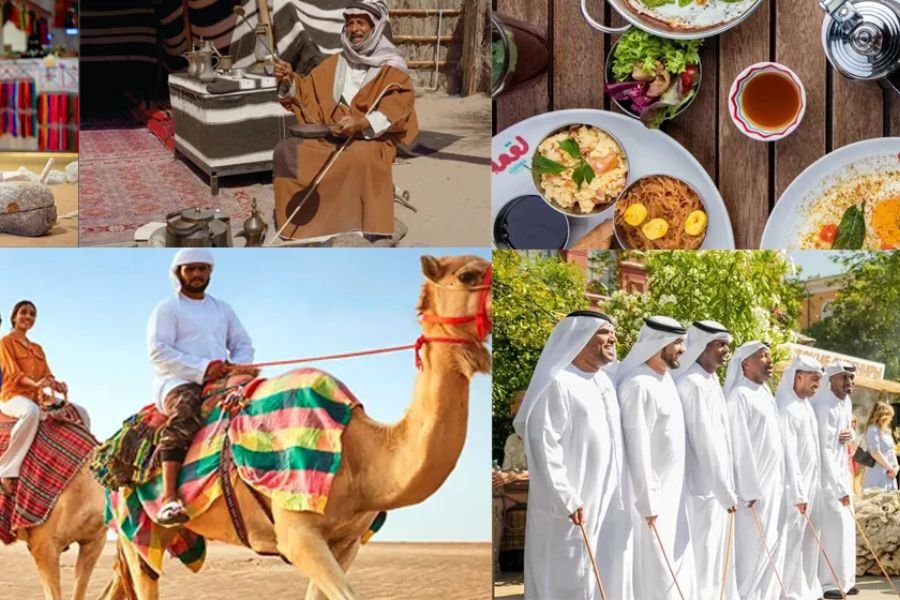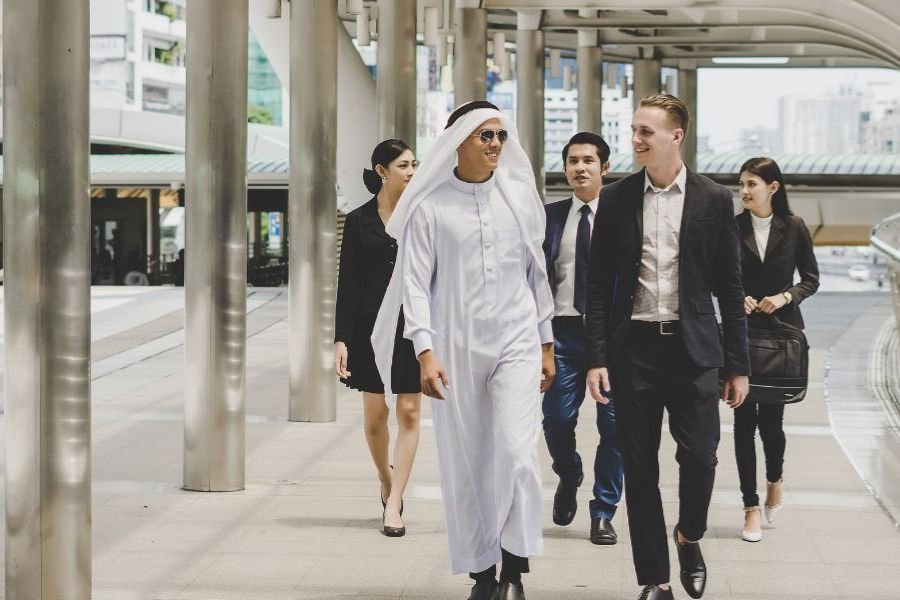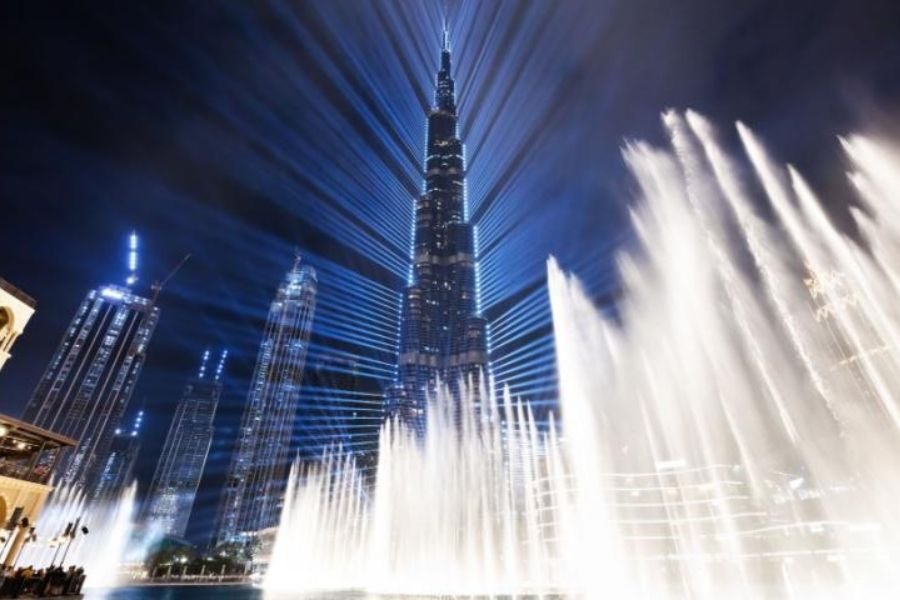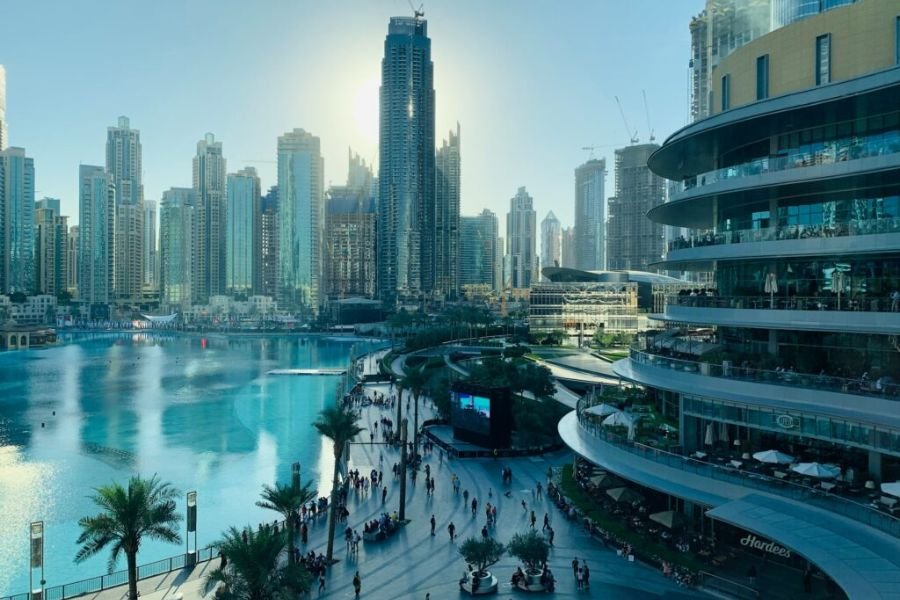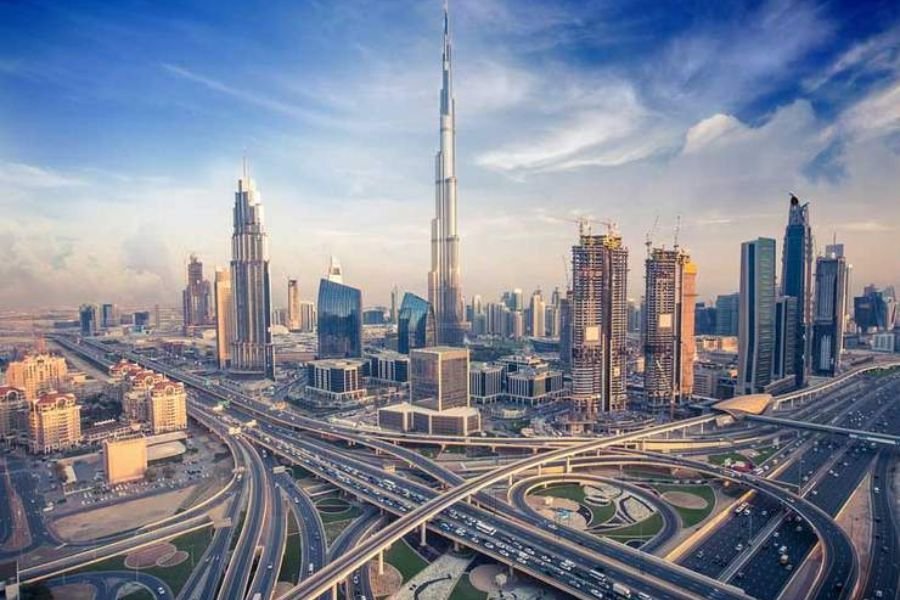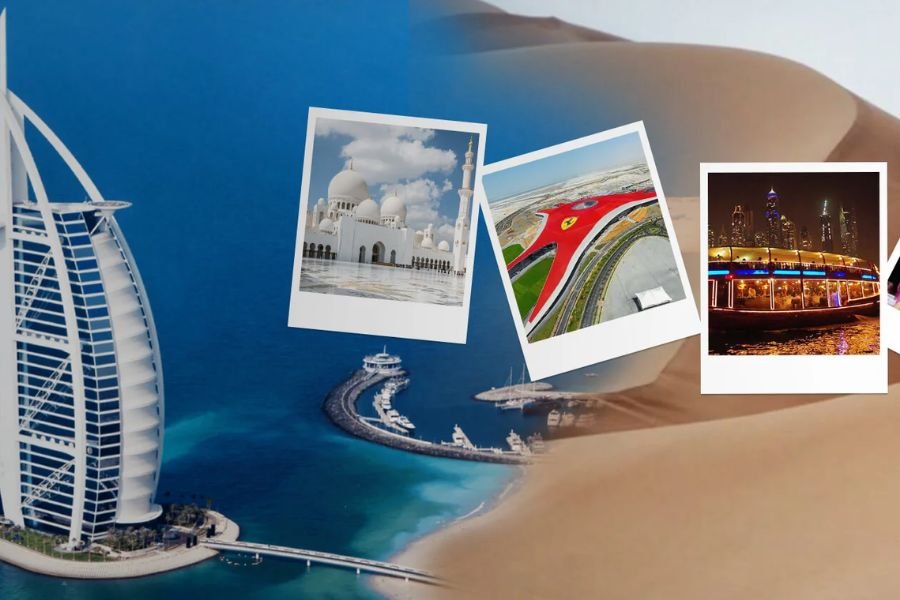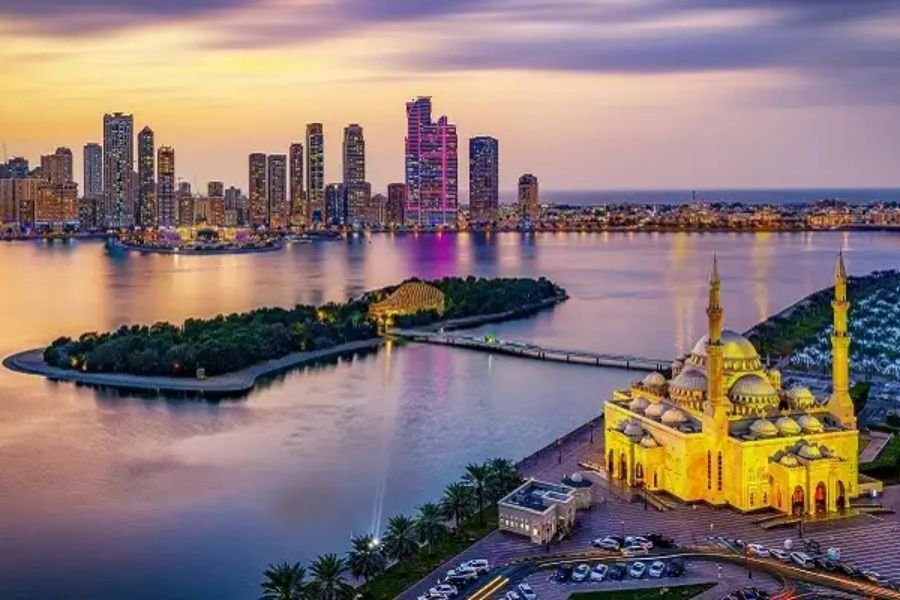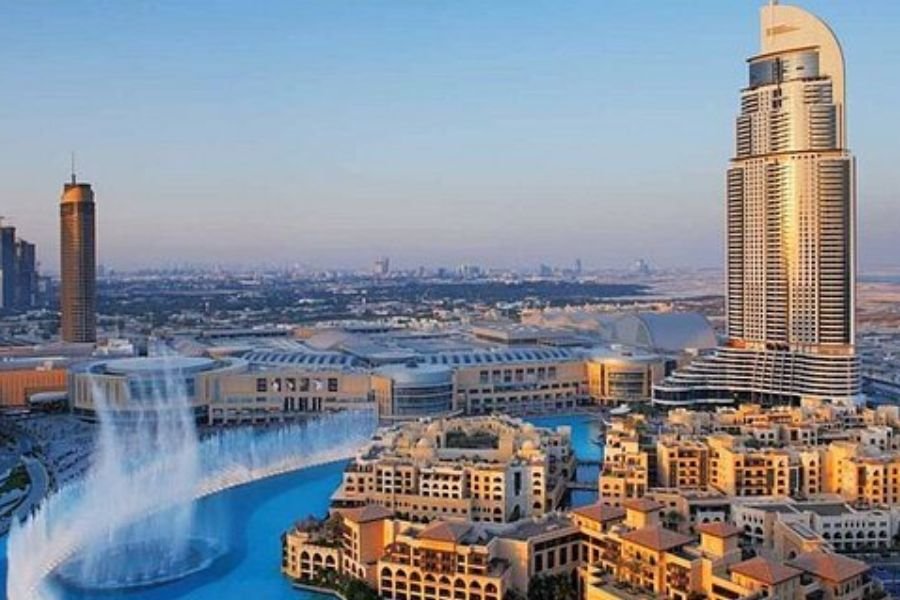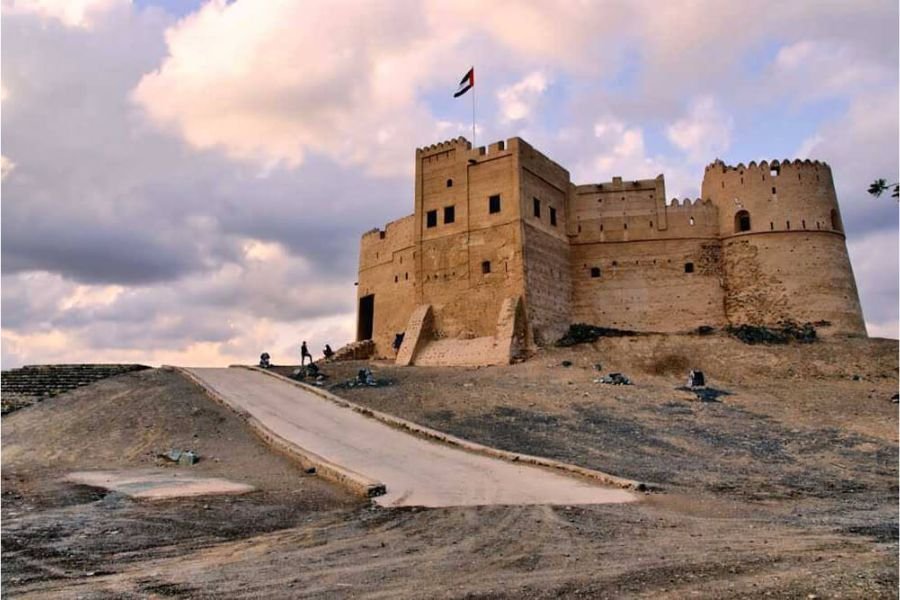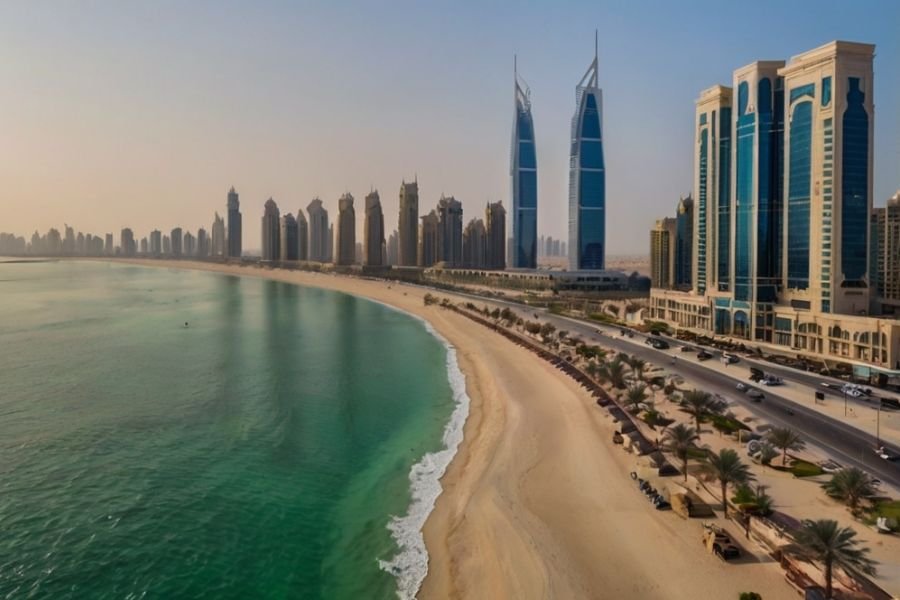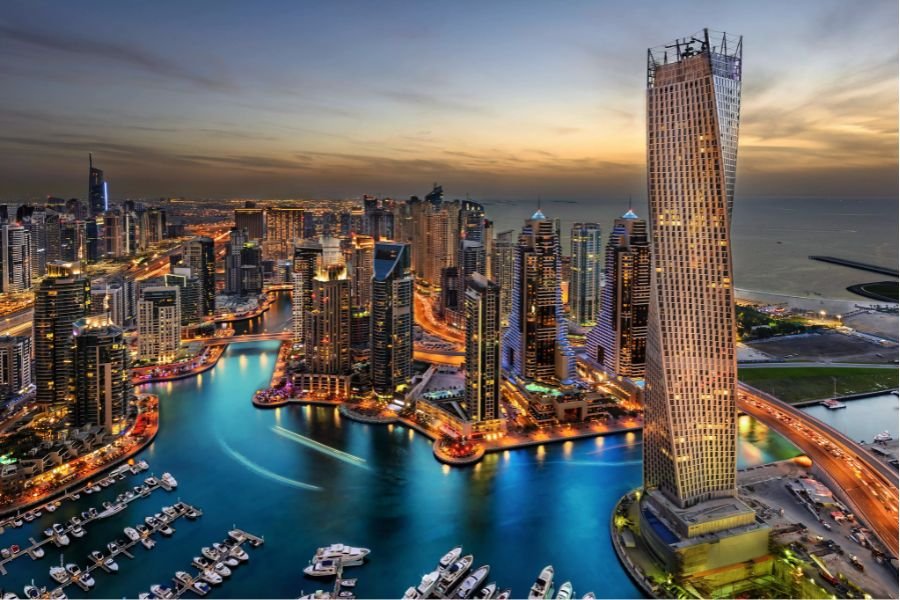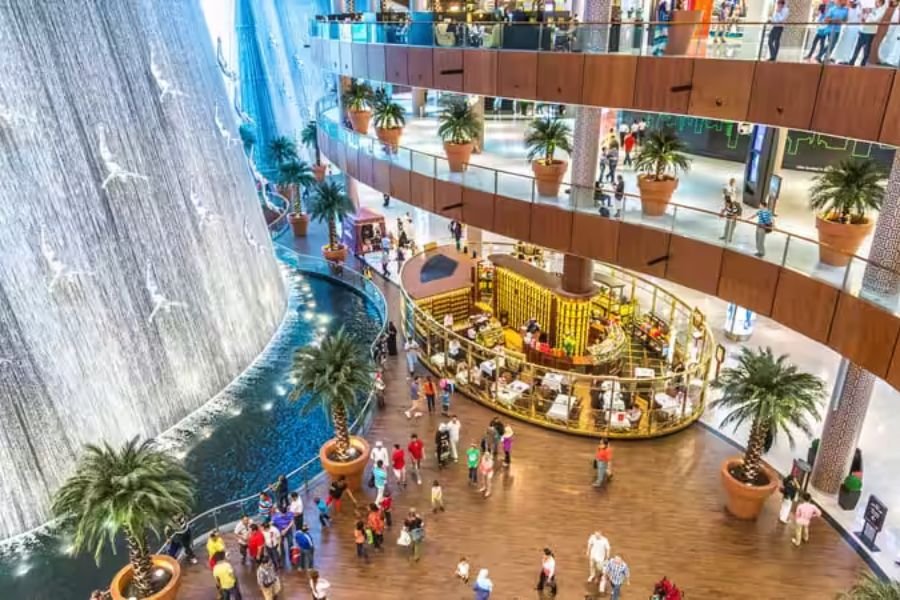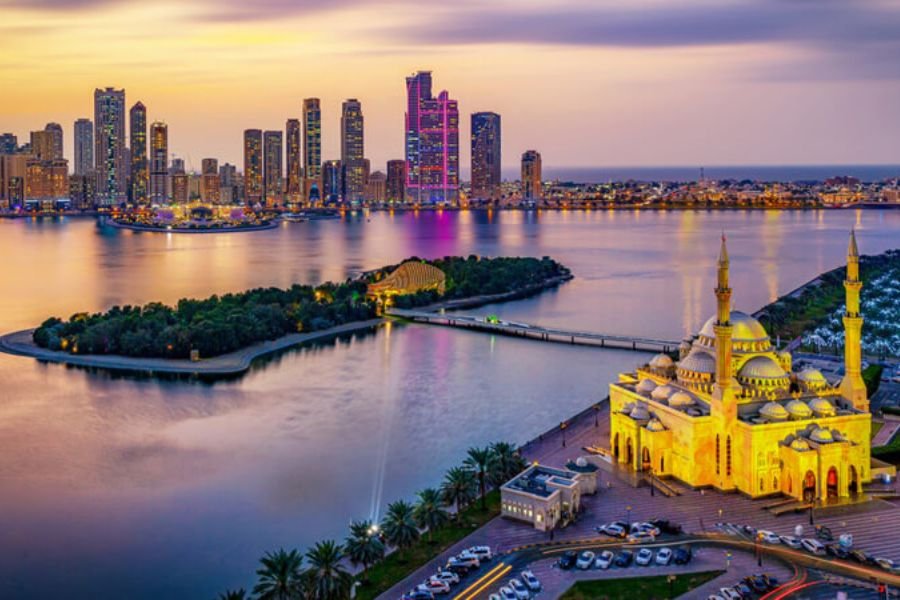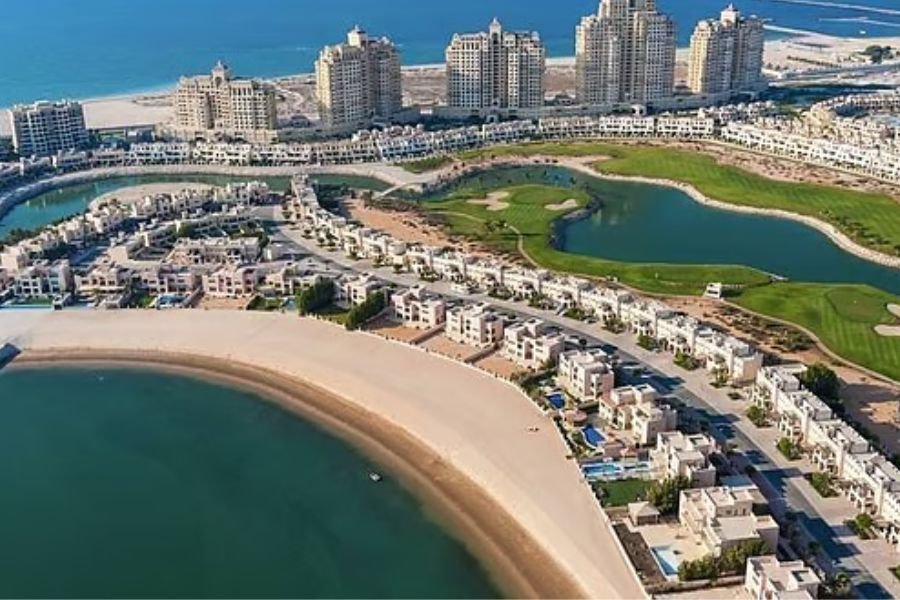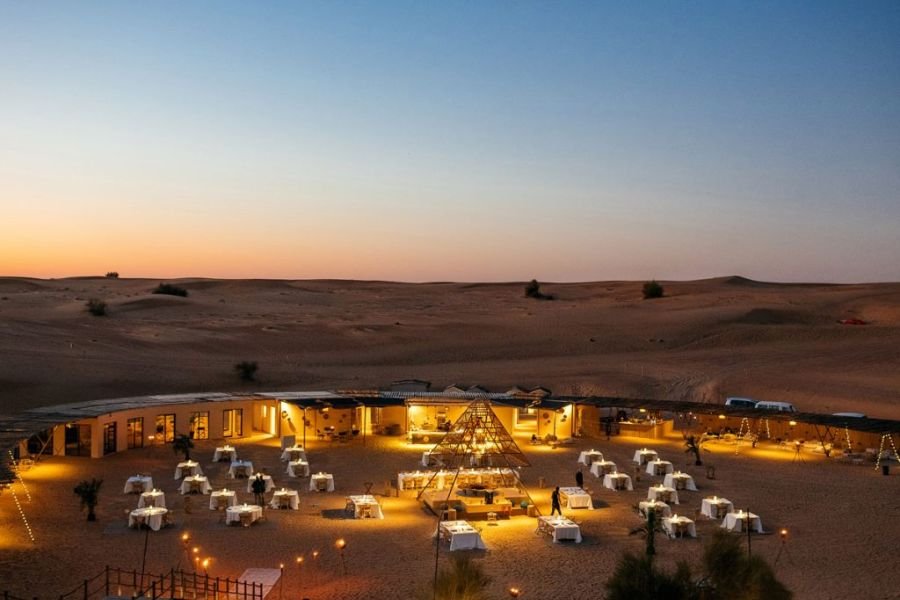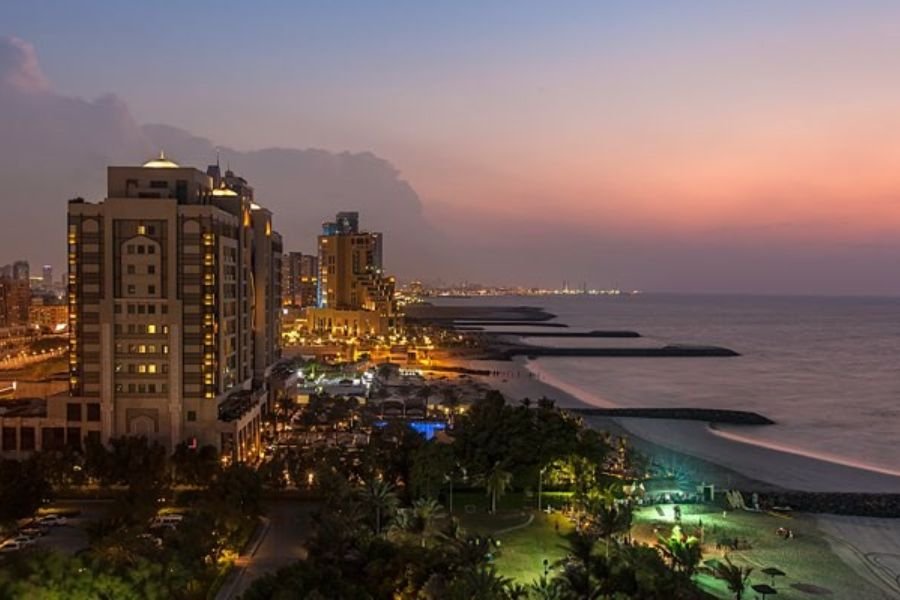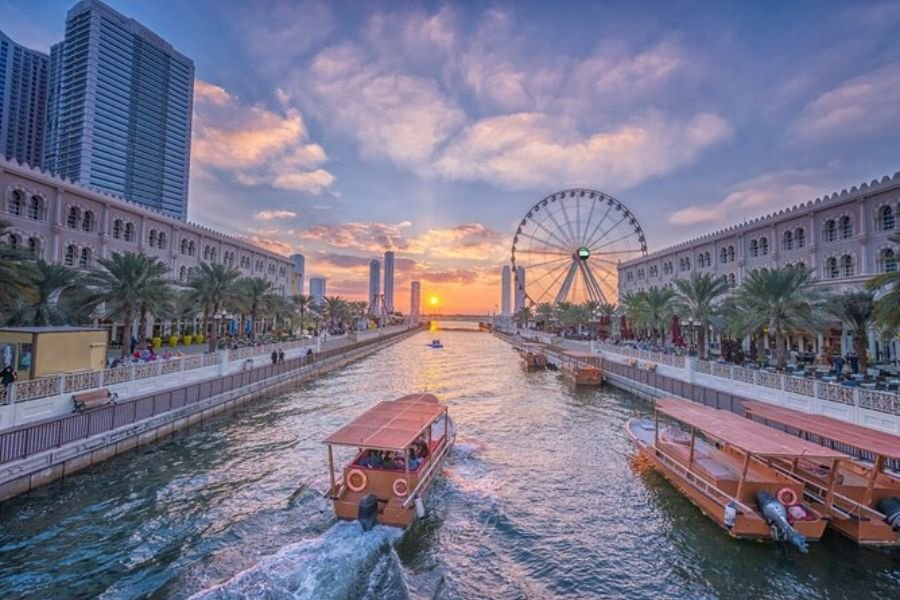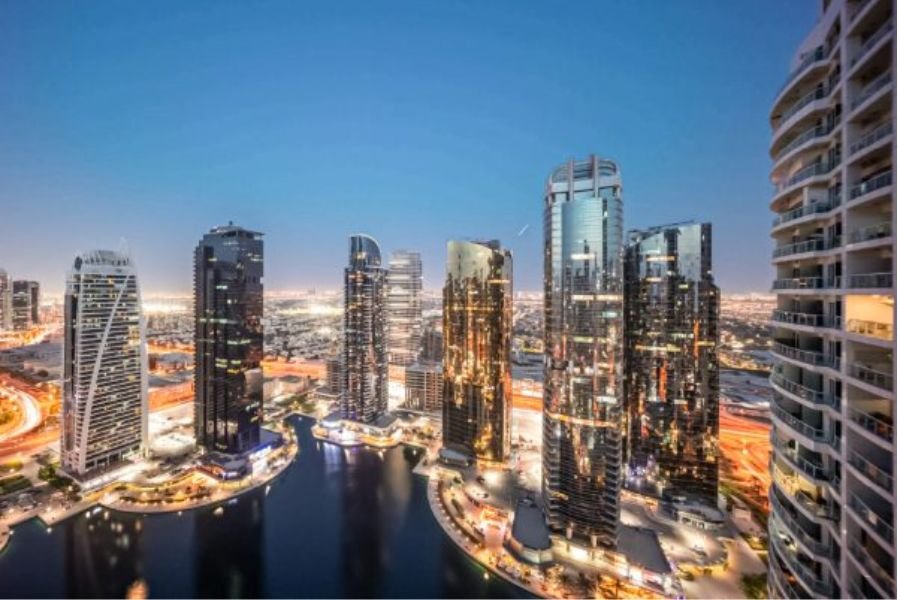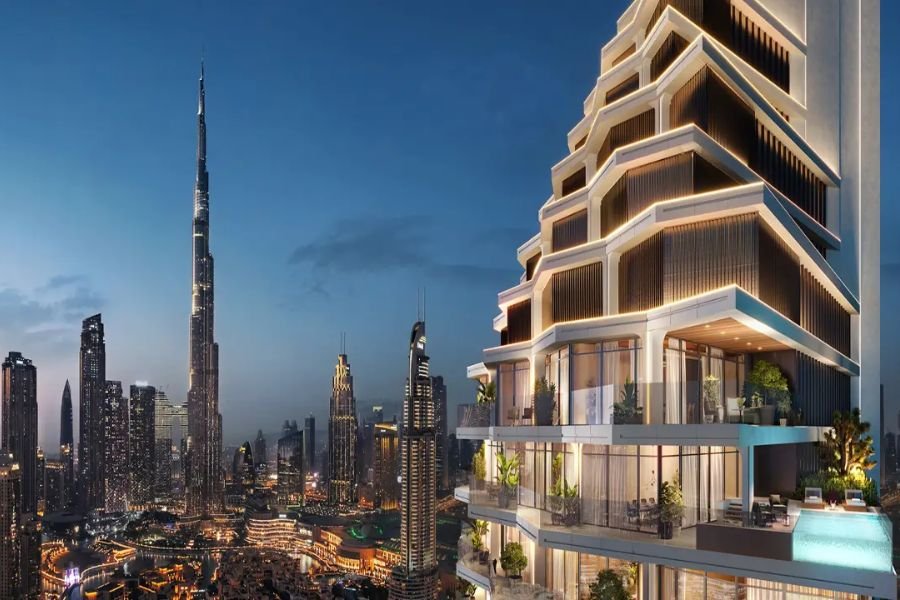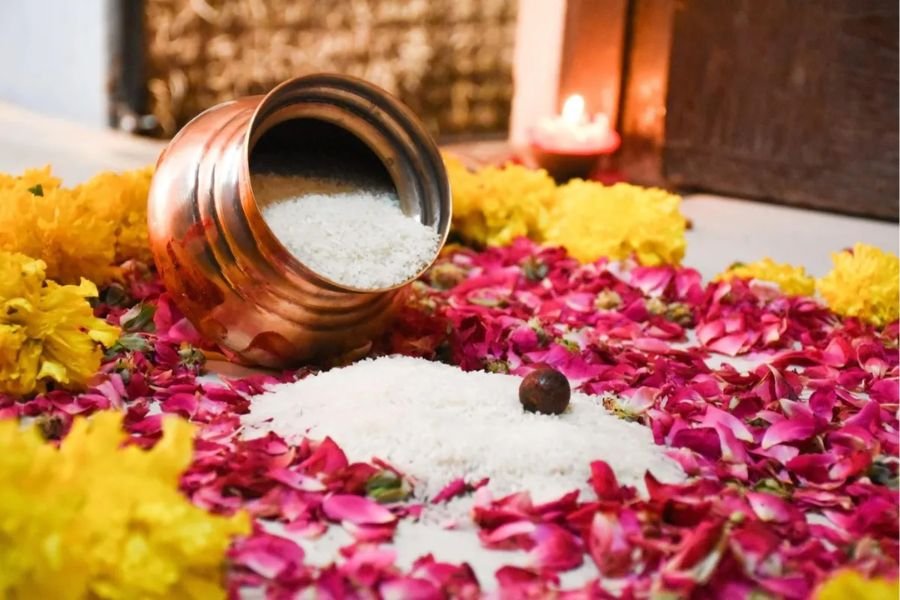
Dubai religion and culture form a vibrant tapestry of Islamic traditions, Bedouin heritage, and modern hospitality that welcomes all. This guide to UAE culture reveals customs, festivals, and cuisine, such as authentic food meaning in Emirati life. Visitors embracing Dubai religion and culture gain deeper connections while respecting local norms for safe, enriching trips.
Core Pillars of Dubai Religion and Culture
Islam shapes Dubai religion and culture through five pillars: Shahada (faith declaration), Salah (five daily prayers), Sawm (Ramadan fasting), Zakat (charity), and Hajj (Mecca pilgrimage). Adhan calls punctuate days; prayer rooms dot malls and hotels. Respect by pausing conversations during calls.
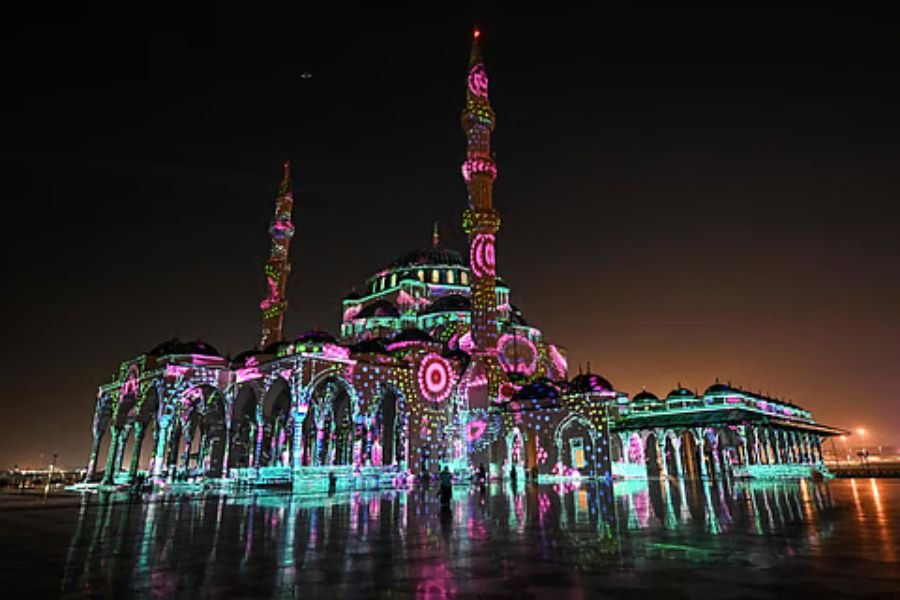
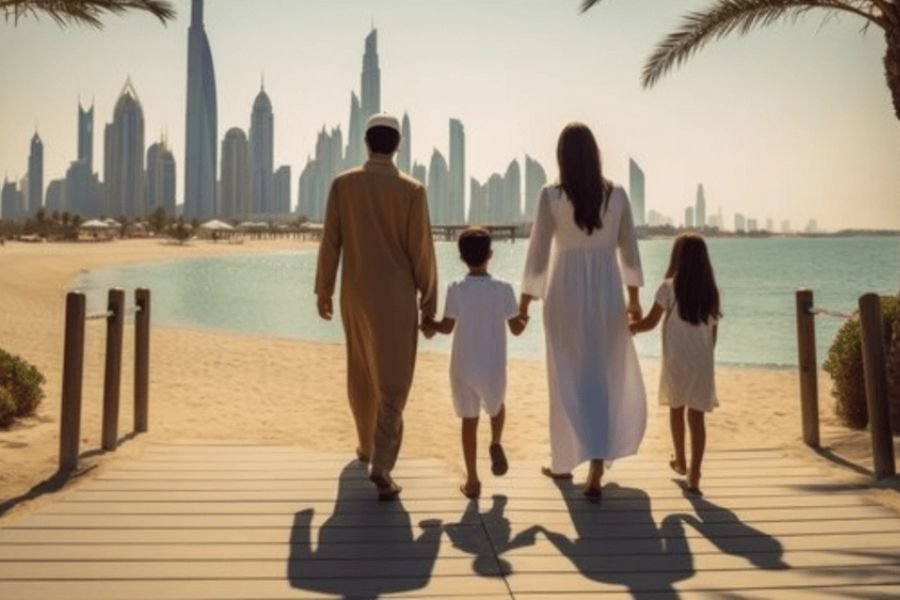
UAE culture emphasises tolerance, and churches and temples coexist. Dress modestly in public; cover shoulders/knees at religious sites.
Bedouin Hospitality: Heart of UAE Culture
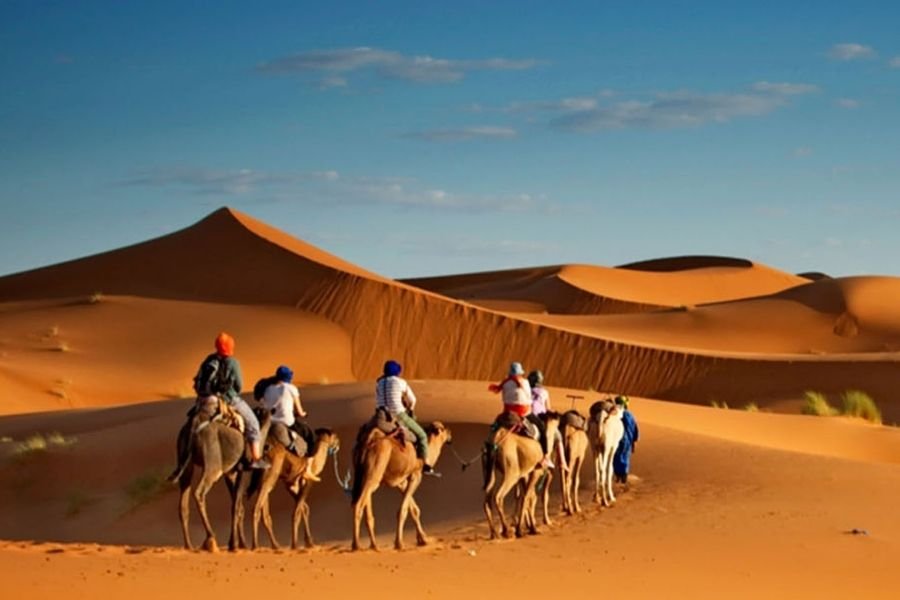
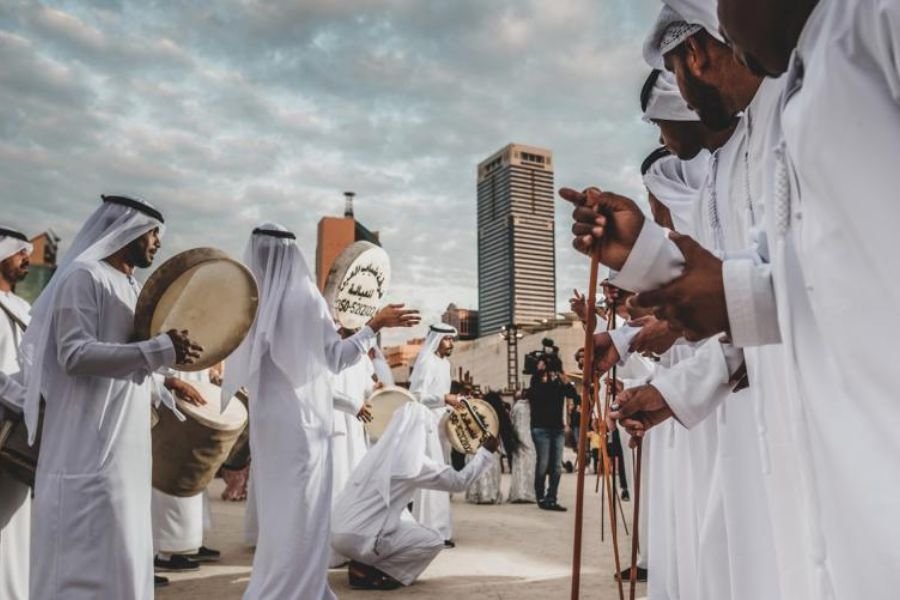
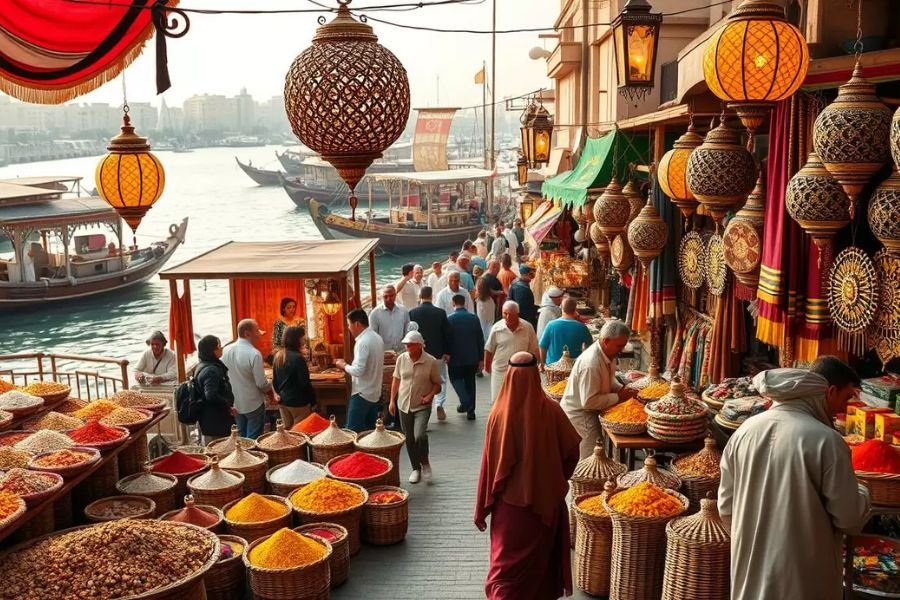
Bedouin roots define generosity, guests receive gahwa (Arabic coffee) and dates first, the strongest brew offered. This ritual aids digestion with caffeine and fibre. Falconry, UNESCO-listed, symbolises precision; watch at the Dubai Falconry Centre.
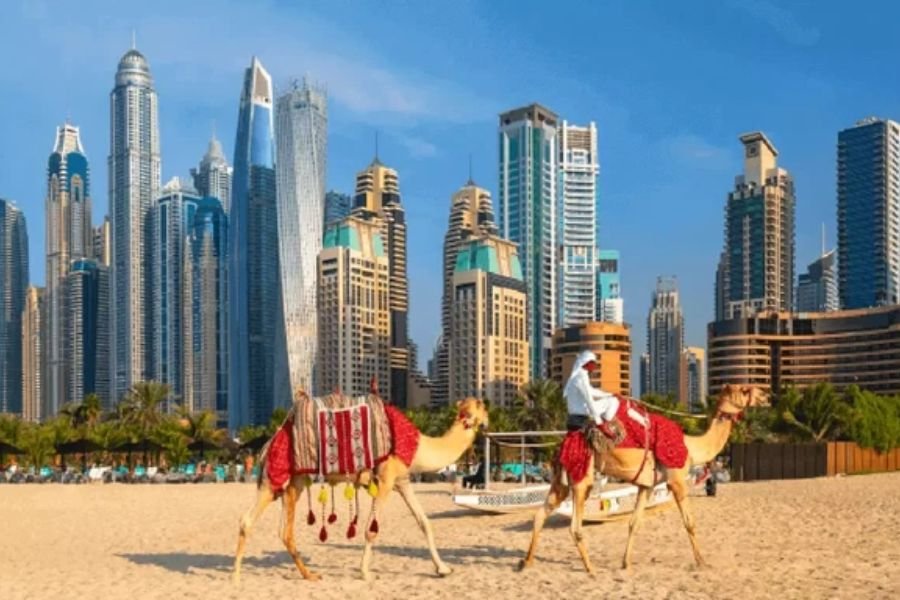
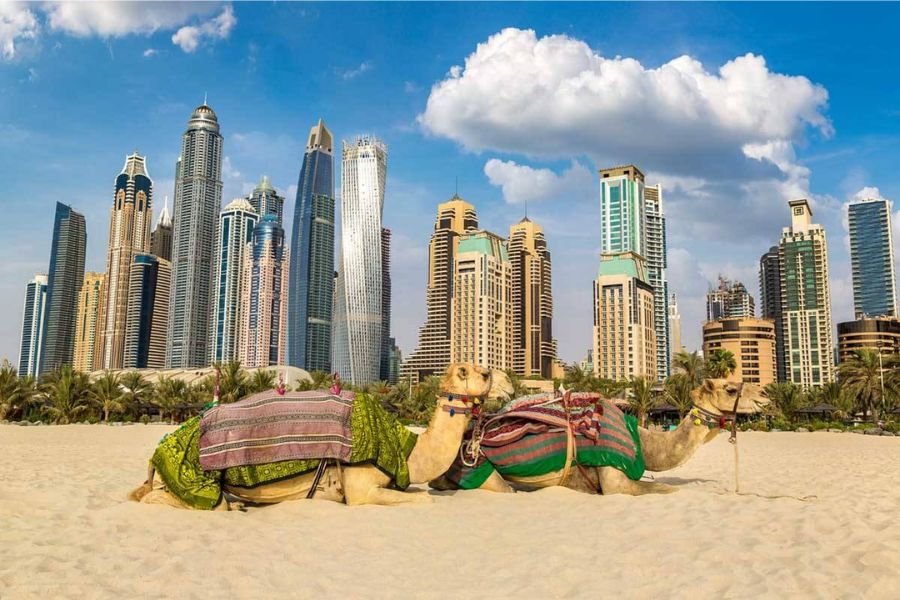
Camel racing preserves heritage; attend winter seasons safely from stands.
Festivals Celebrating Dubai Religion and Culture
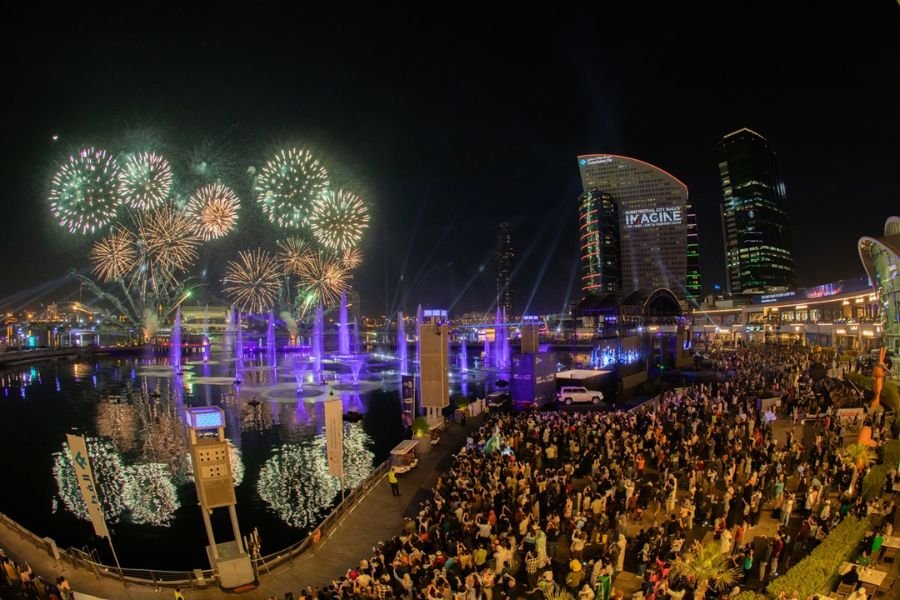
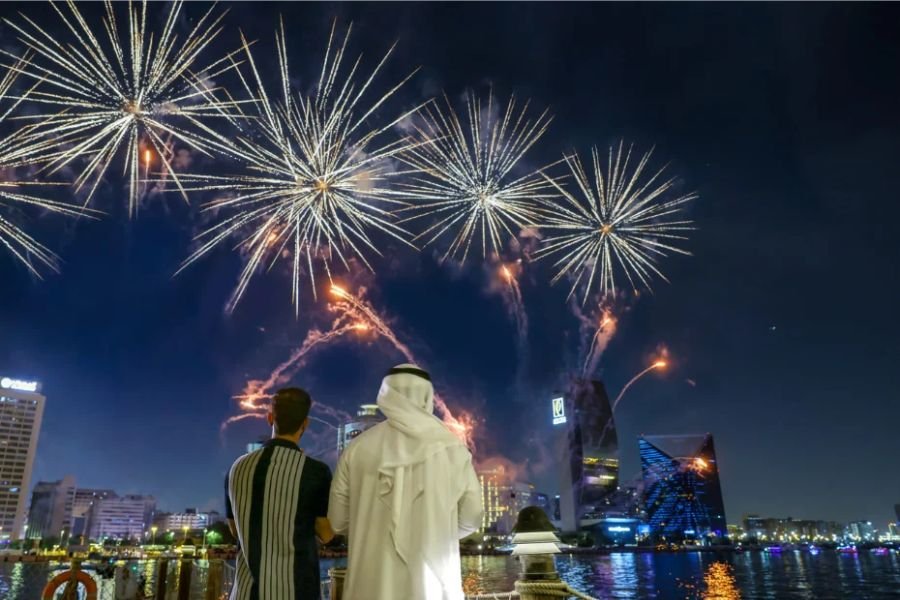
Ramadan iftars break fasts with dates, then feasts, hydrate well to avoid hyponatremia. Eid al-Fitr features fireworks and family gatherings.
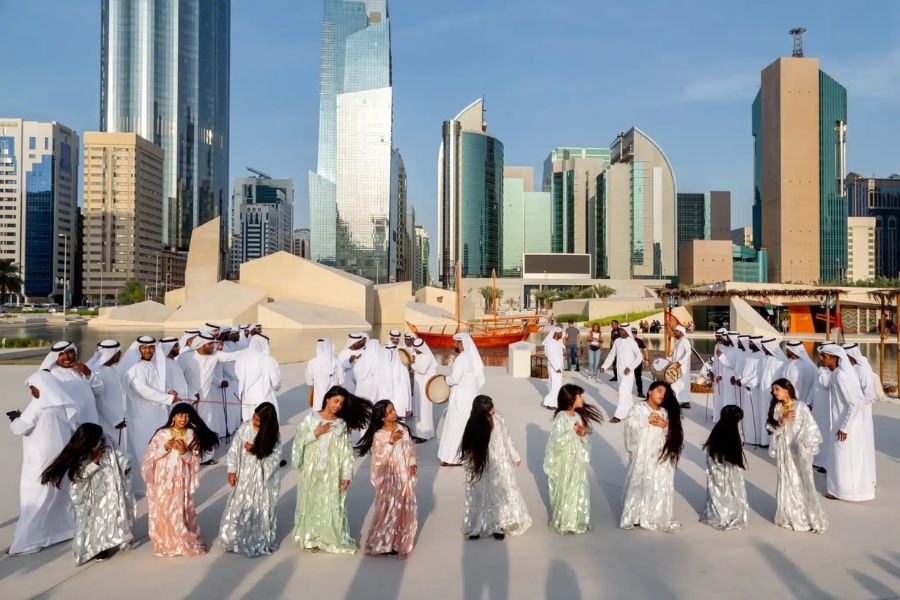
Eid al-Adha honours sacrifice with shared meat rich in protein. Liwa Festival 2026 blends motorsports with cultural nights. Al Hosn Festival showcases arts.gulfnews+1
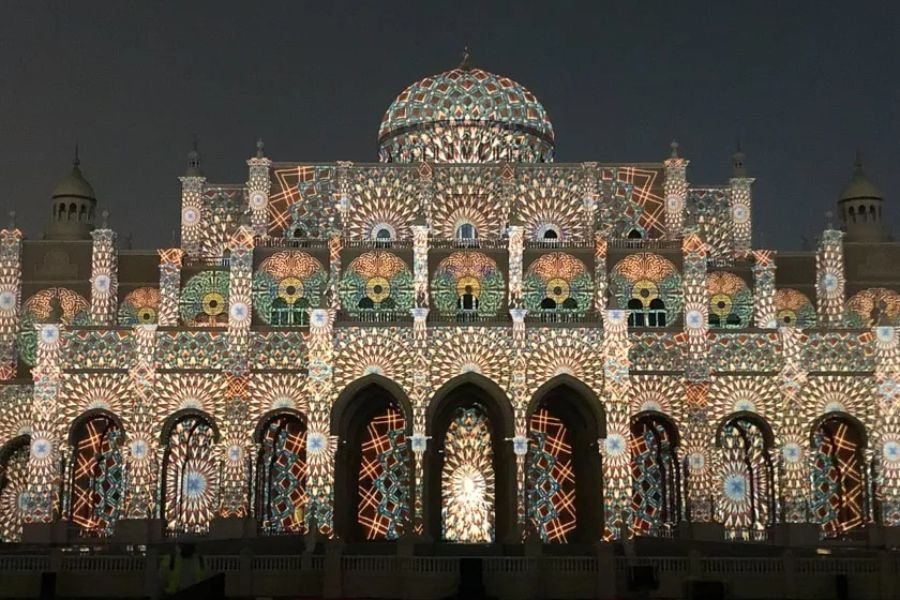
Sharjah Heritage Days revive crafts like Sadu weaving.
UAE Culture Food: Authentic Flavours Explained
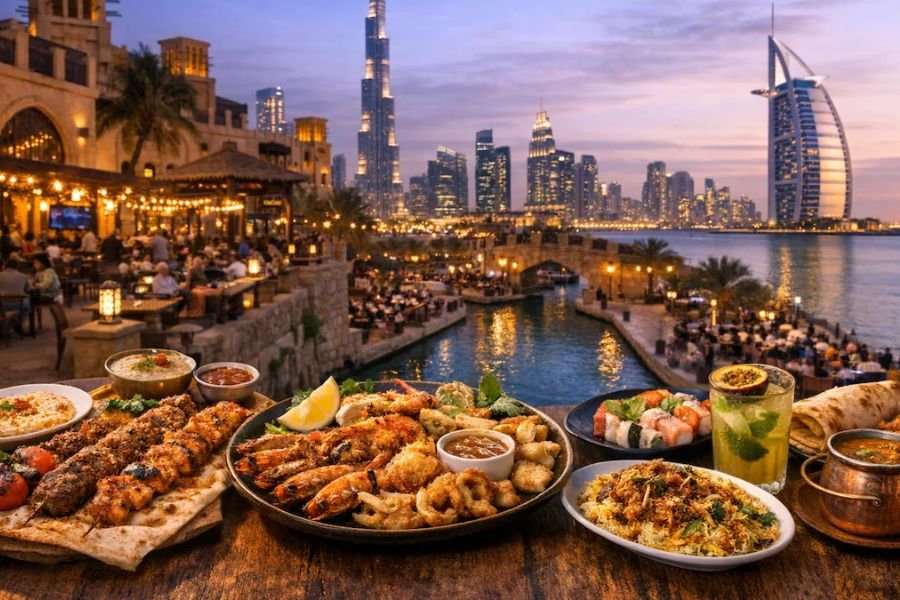
UAE culture food mixes seafood, meats, dates from land/sea roots. Harees (wheat-meat porridge) provides slow-release carbs for energy. Luqaimat (date-drizzled dumplings) offer potassium for heart health.
Khuzi (spiced lamb rice) balances macros; moderation prevents excess fats. Saloona (fish stew) delivers omega-3s for joints.
Authentic food meaning lies in communal eating—fosters microbiome diversity via fermented yoghurt.
Dining Immersion: The Arabian Nights Restaurant
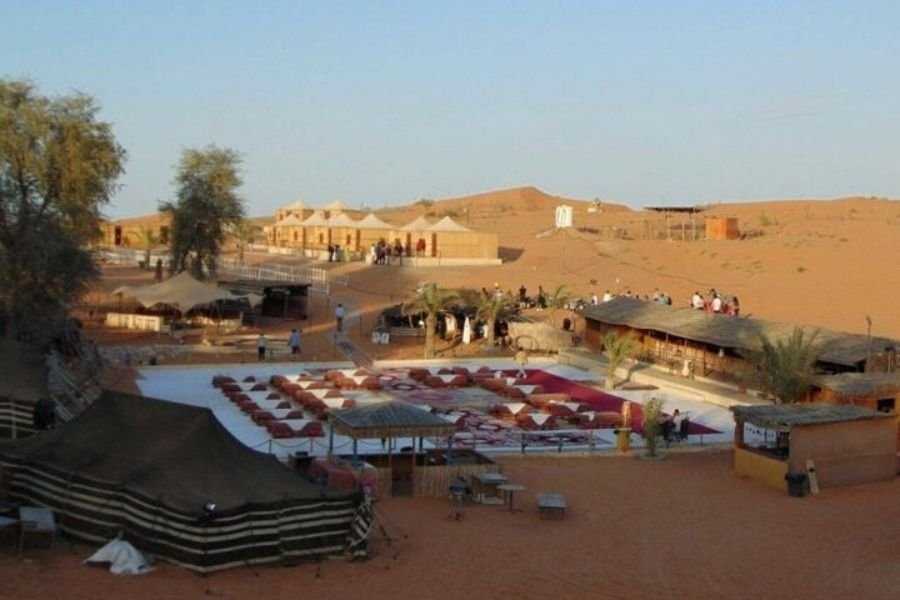
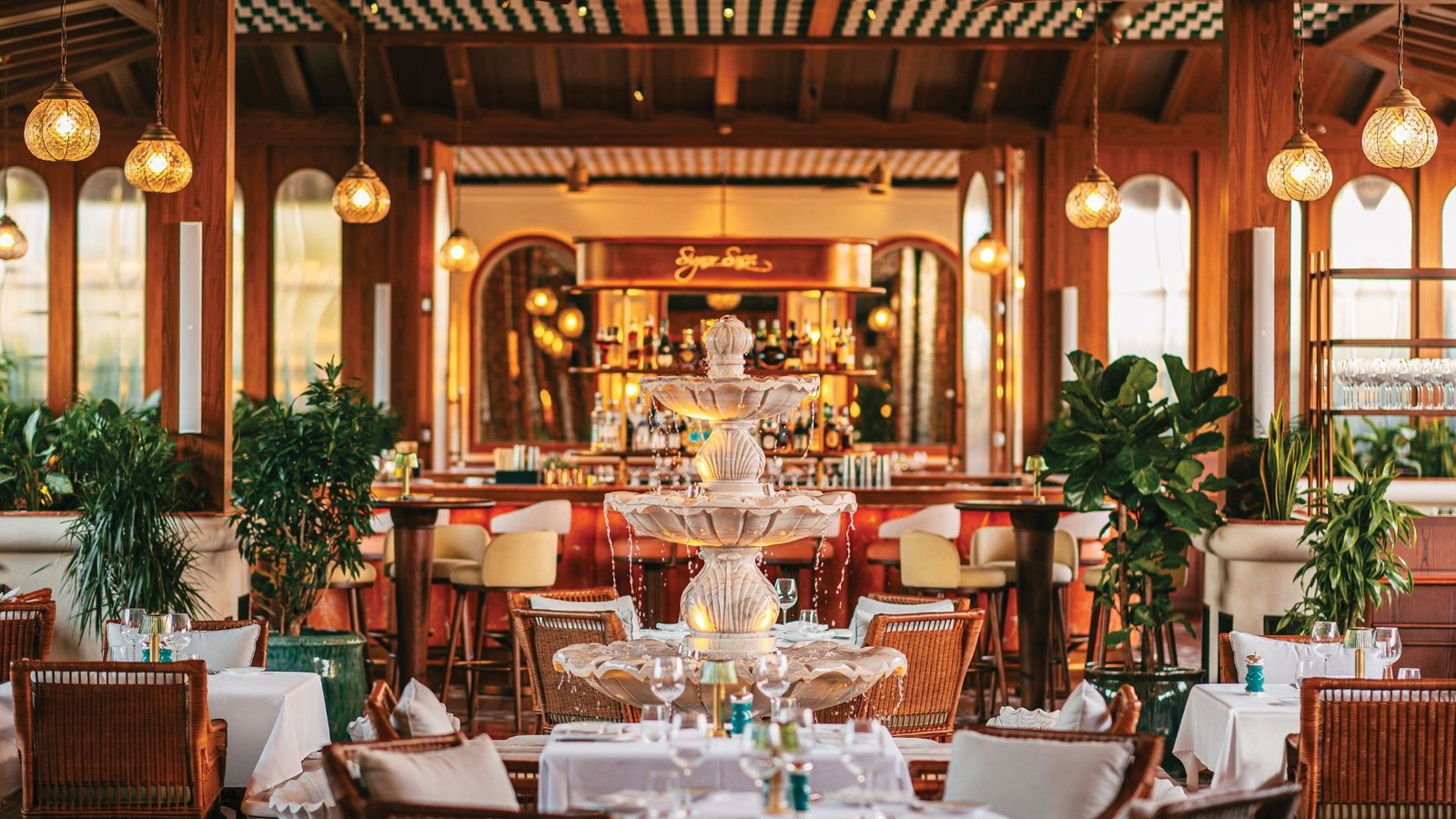
The Arabian Nights Restaurant evokes folklore with majlis seating for shared platters. Try grilled meats, hummus for prebiotic fibre. Live music enhances serotonin without alcohol excess.
Henna and Crafts in Dubai Religion and Culture
Henna (mehndi) adorns hands for celebrations, and natural dyes soothe skin. Sadu weaving patterns symbolise protection. Visit workshops for hands-on sessions and low-allergen activities.
Modern Twists on UAE Culture
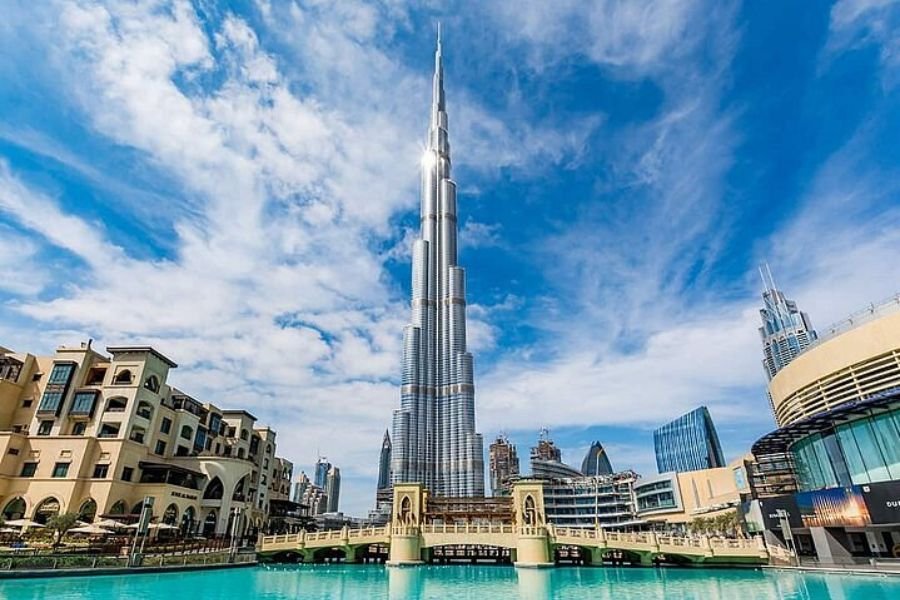
Dubai religion and culture evolve with multicultural festivals. Expo legacies host global arts. Wellness retreats blend yoga with Islamic mindfulness for stress reduction.
Health Tips for Experiencing UAE Culture
Ramadan: Eat suhoor slowly for blood sugar stability. Fast respectfully; non-Muslims eat privately. Desert events: Sunscreen and hats prevent UV damage. Food hygiene: Peel fruits, choose busy eateries.
Allergies: Declare nuts/dairy; hospitality ensures alternatives. Hydrate 3L daily in heat.
Respectful Etiquette in Dubai Religion and Culture
Right hand for eating/handshakes. Avoid public affection. Photography: Ask permission at mosques. Women: Abayas are optional but appreciated.
Dubai Packers and Movers for Cultural Settlers
Embracing UAE culture long-term? Dubai Packers and Movers relocates artefacts safely, easing transitions to cultural hubs.
Practical Visitor Tips
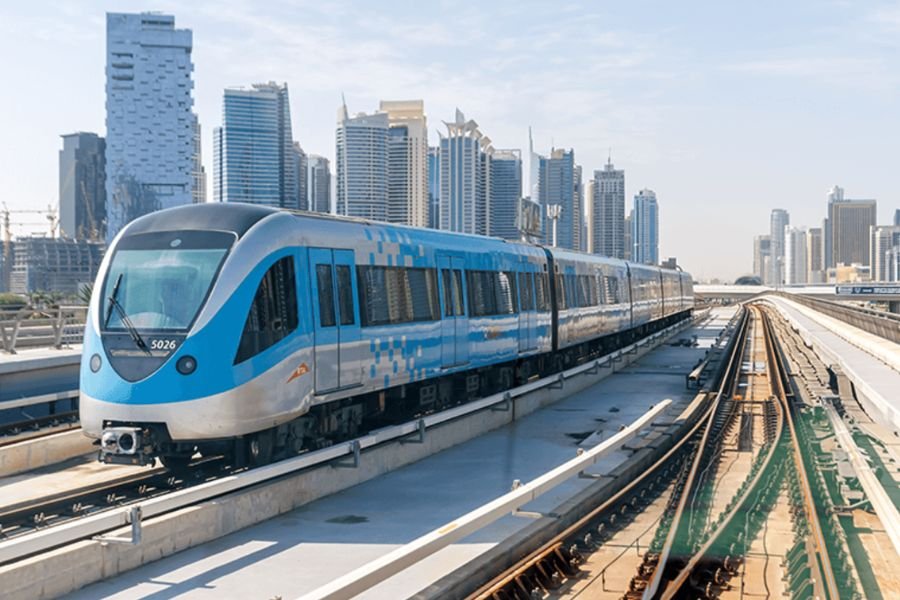
Best time: Cooler Oct-Apr. Apps for prayer times, festivals. Metro for mosque visits.
FAQ
Key aspects of Dubai religion and culture?
Islam's pillars, hospitality, and festivals like Ramadan.
UAE culture food must-tries?
Harees, khuzi for balanced nutrition.
Authentic food meaning in Emirates?
Communal sharing for health, bonds.
The Arabian Nights Restaurant highlights?
Majlis dining, traditional grills.
Respect Dubai religion and culture how?
Modest dress, right-hand use.
Festivals in UAE culture 2026?
Liwa, Al Hosn for heritage immersion.
Dubai religion and culture are enriched through UAE culture rituals and UAE culture food. Contact Dubai Packers and Movers for permanent stays.