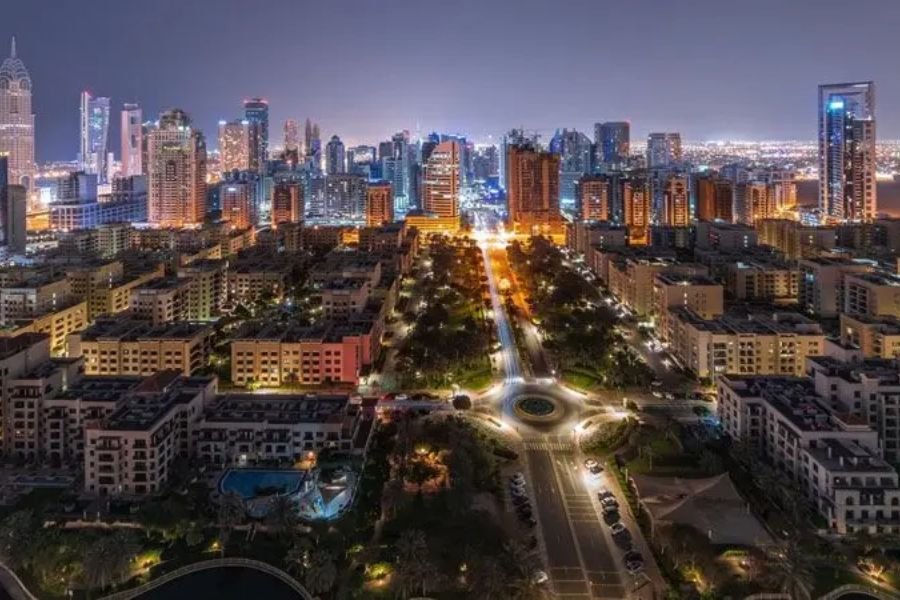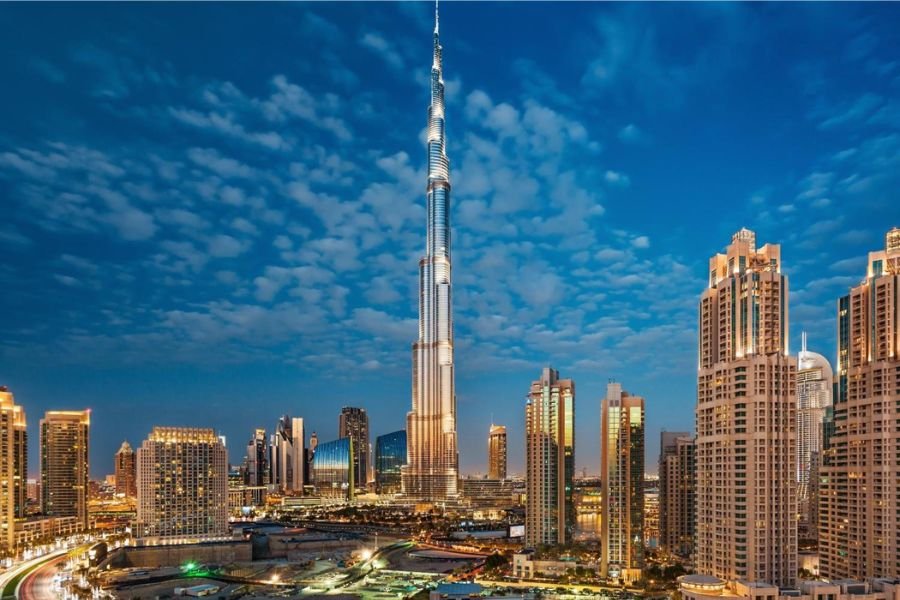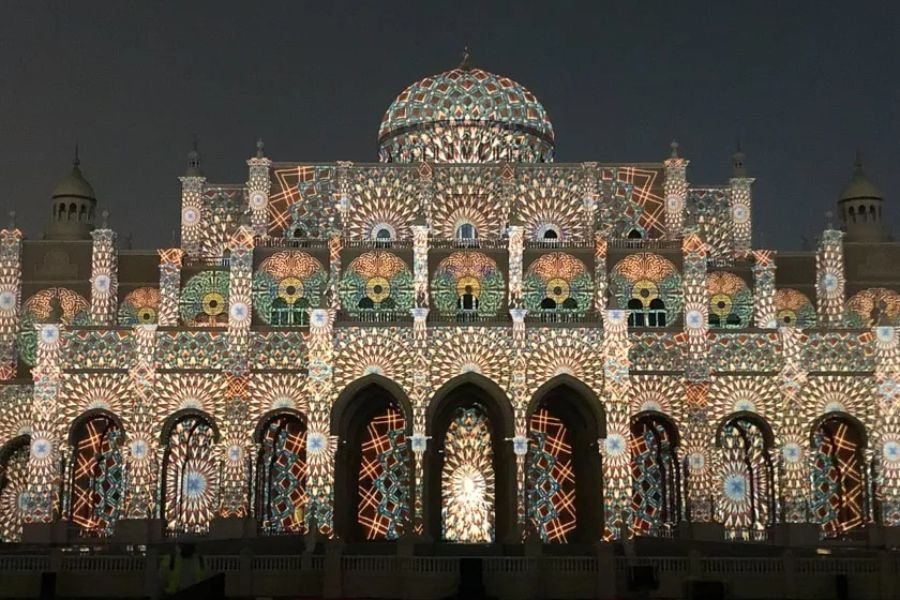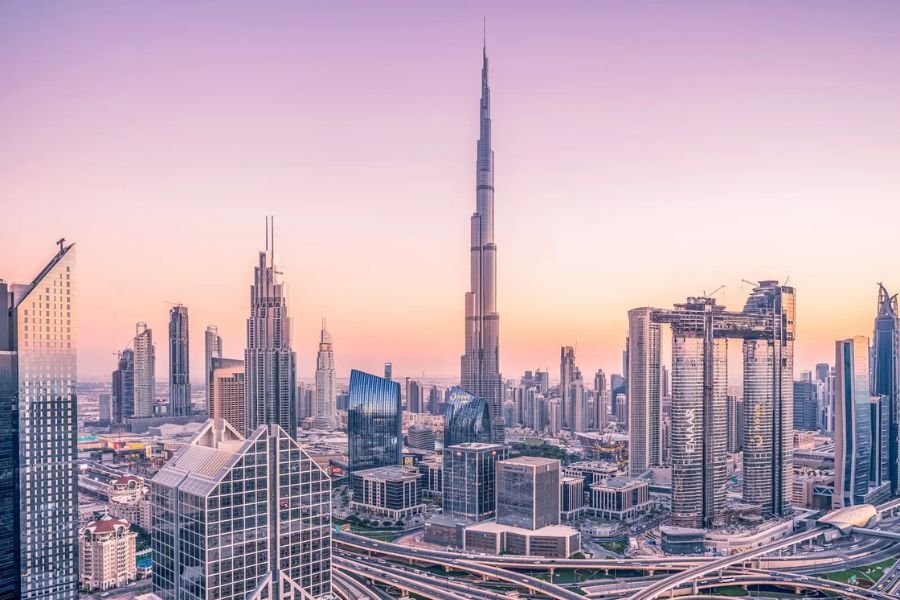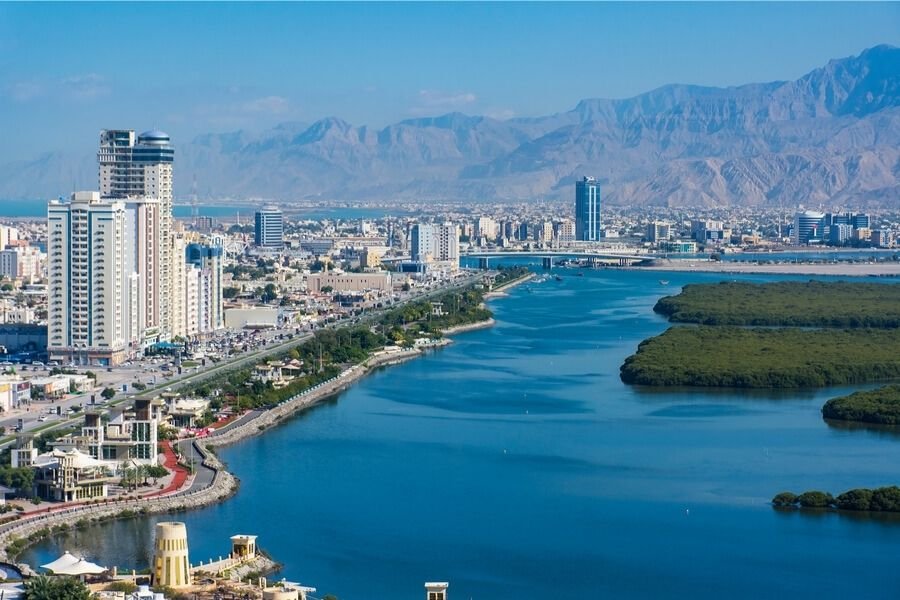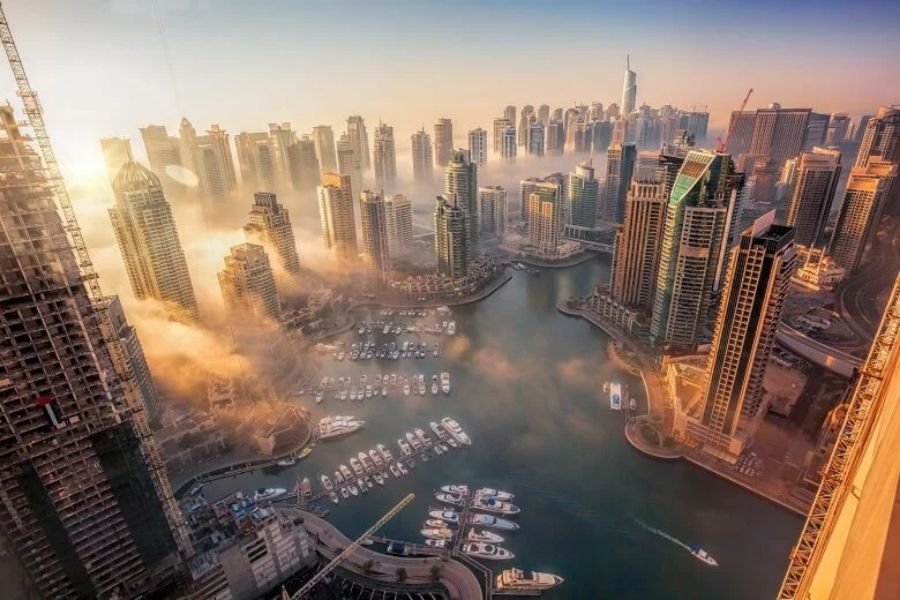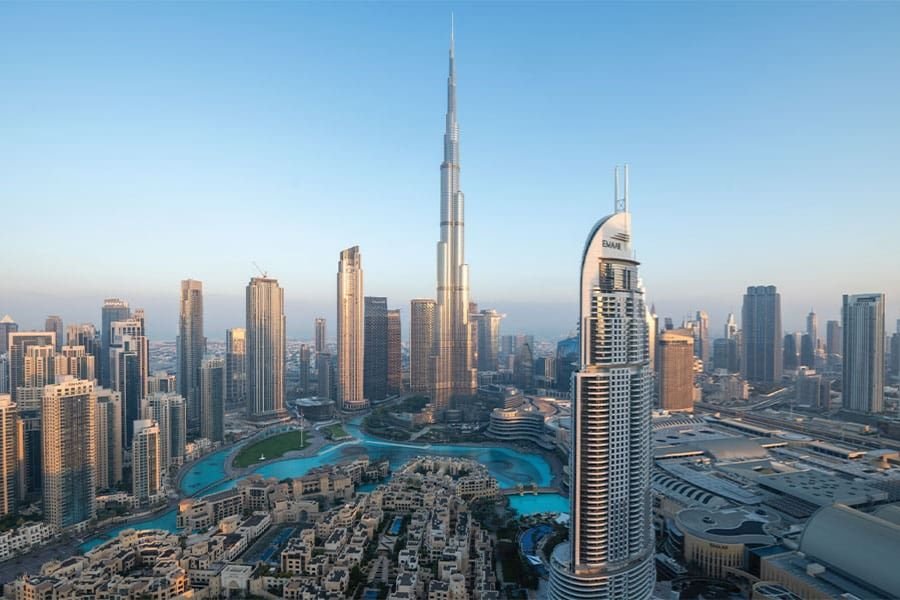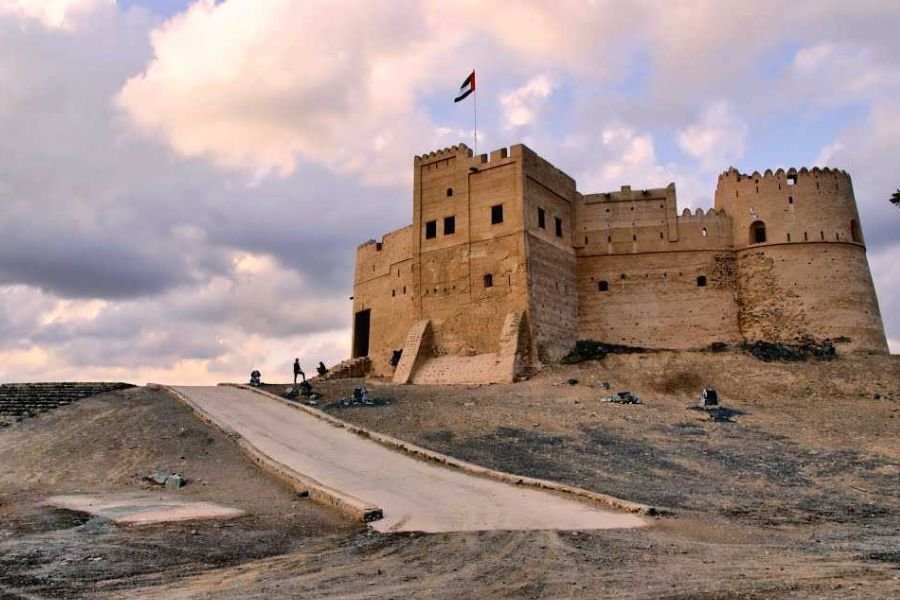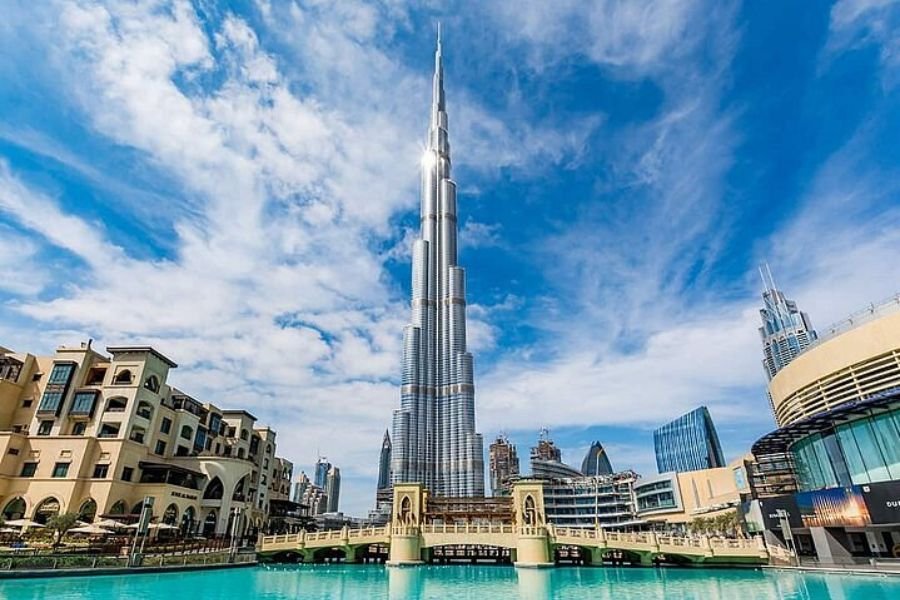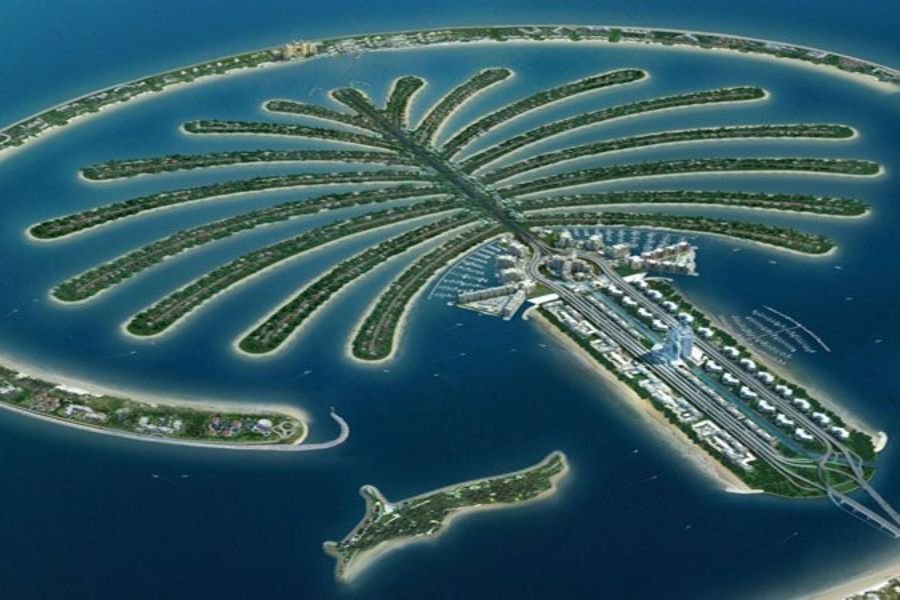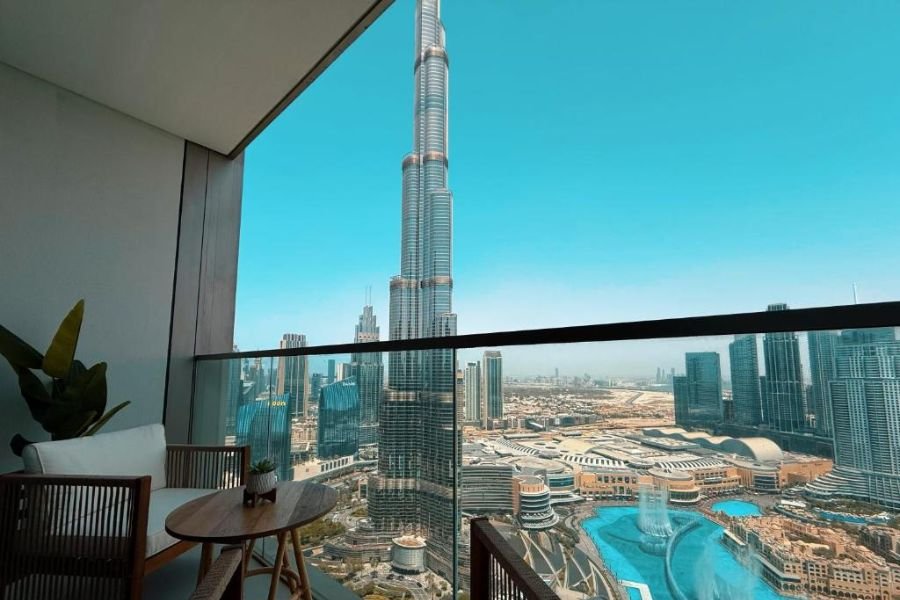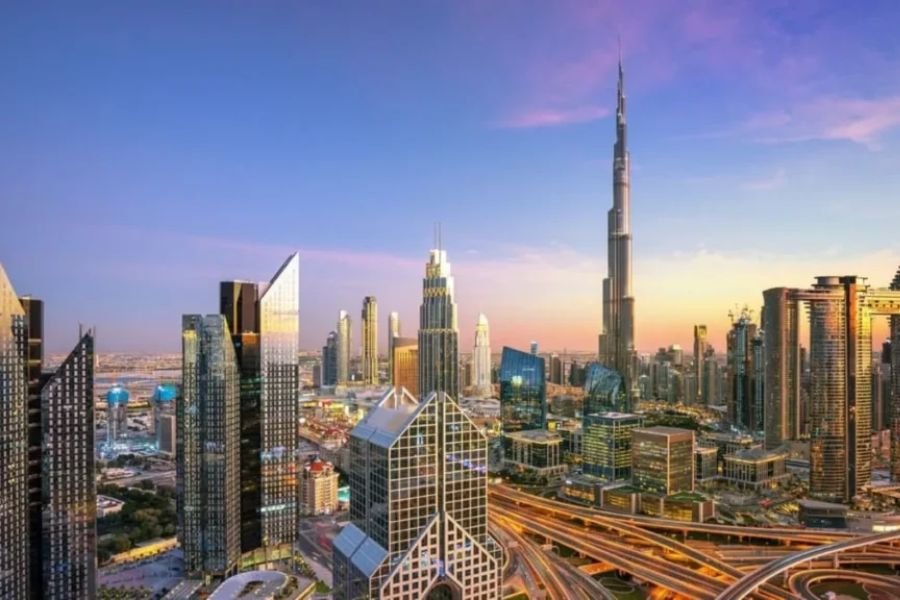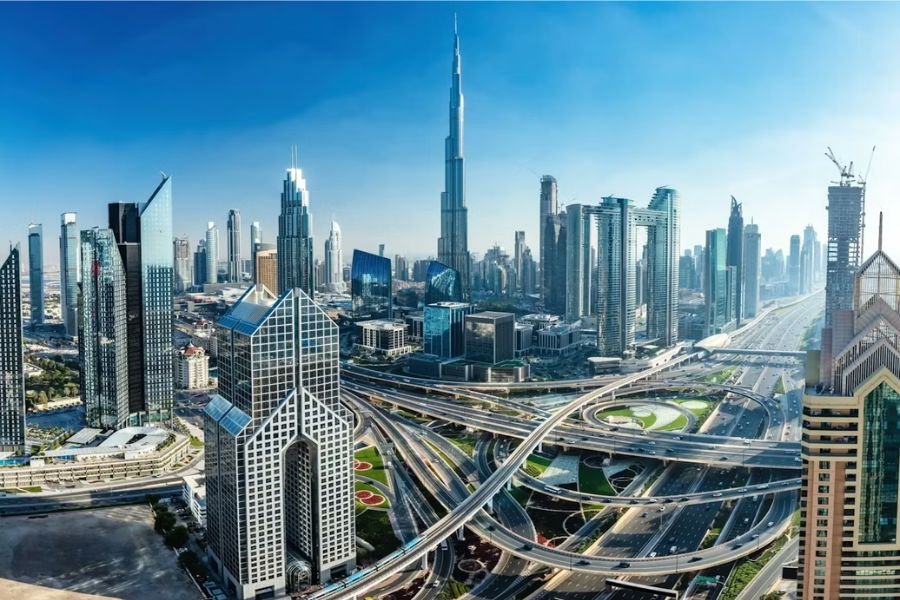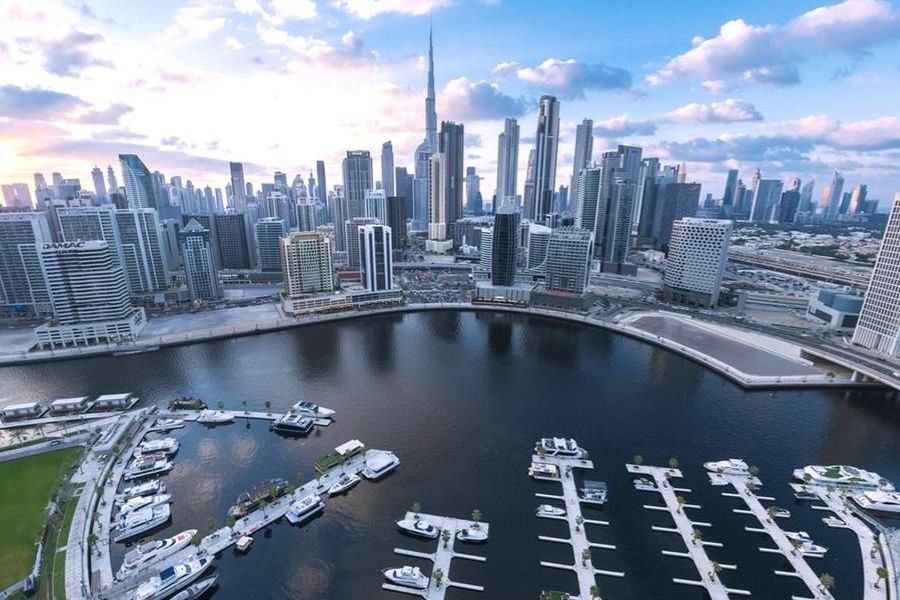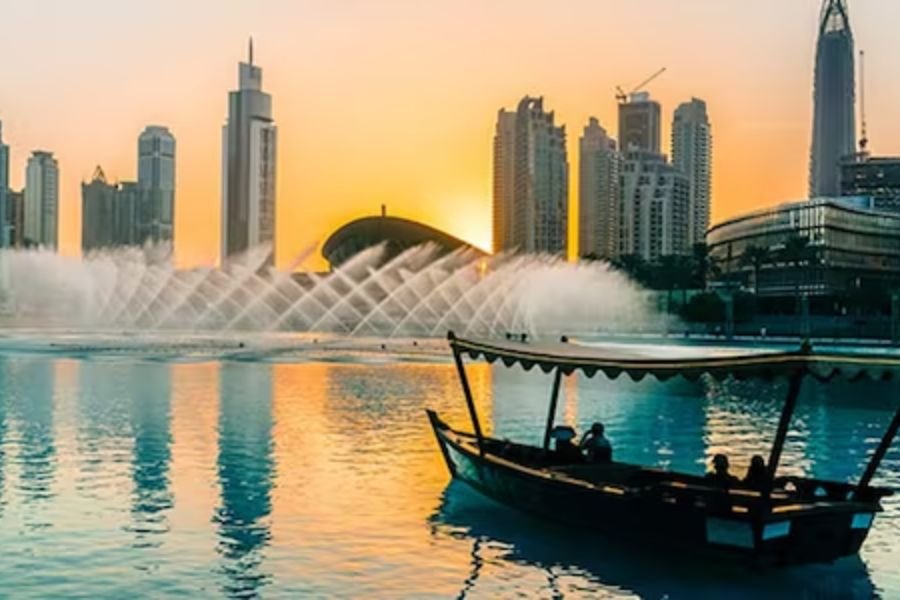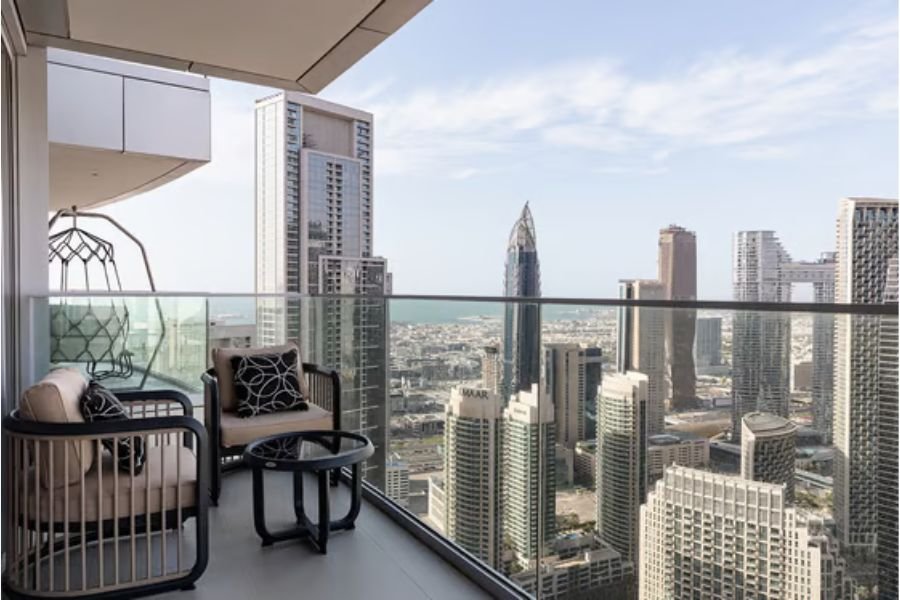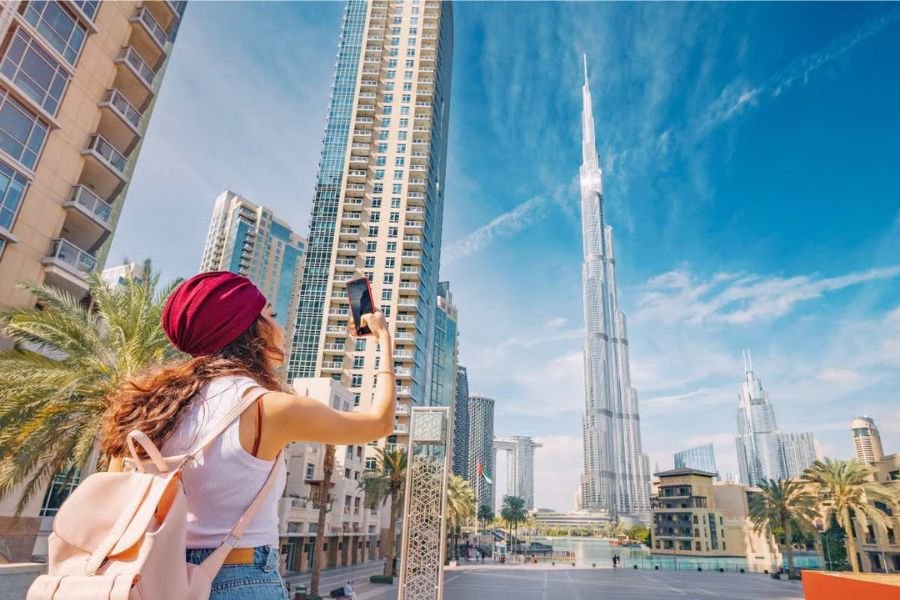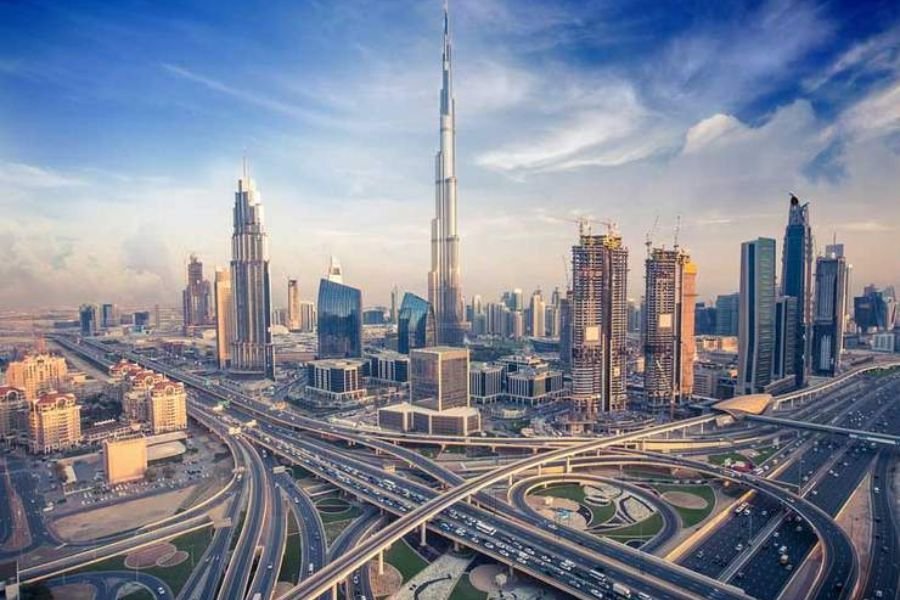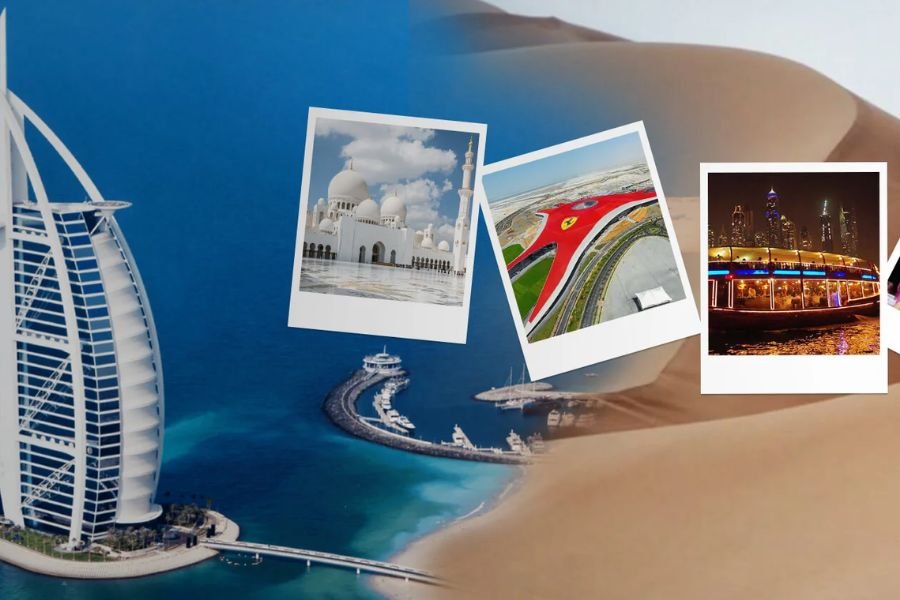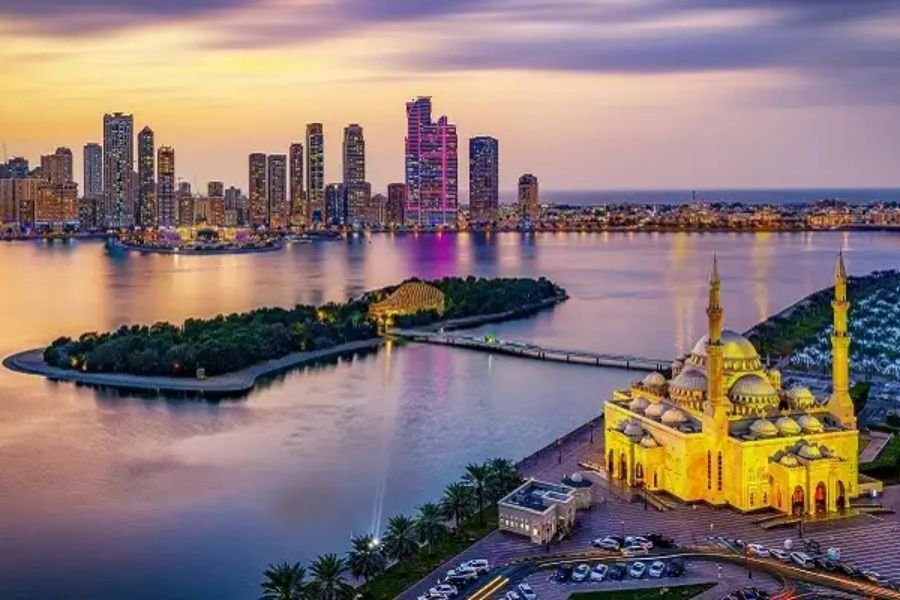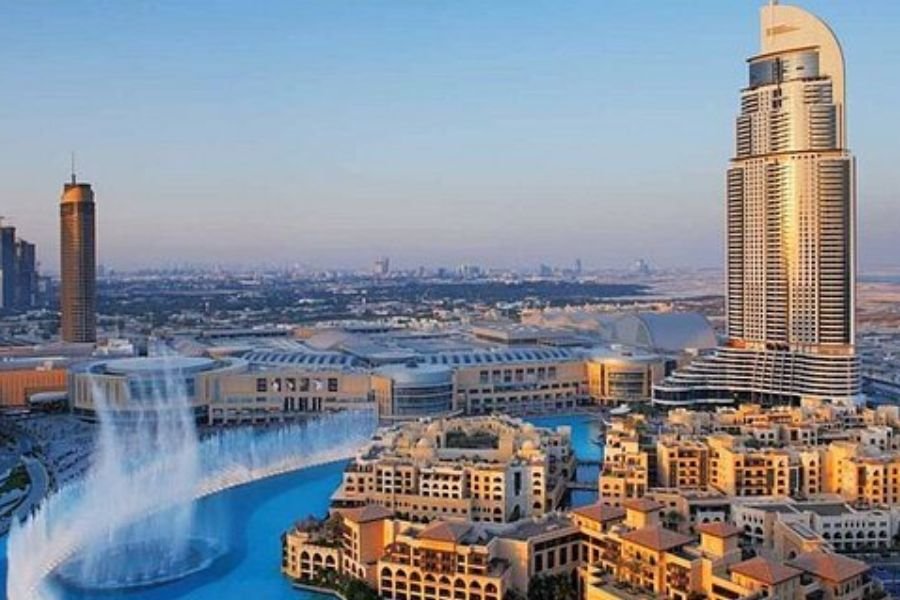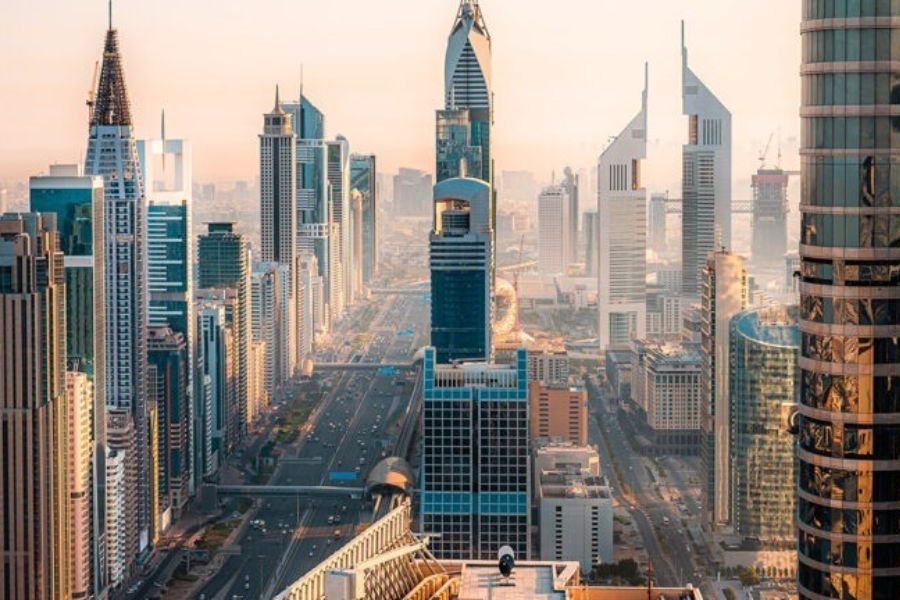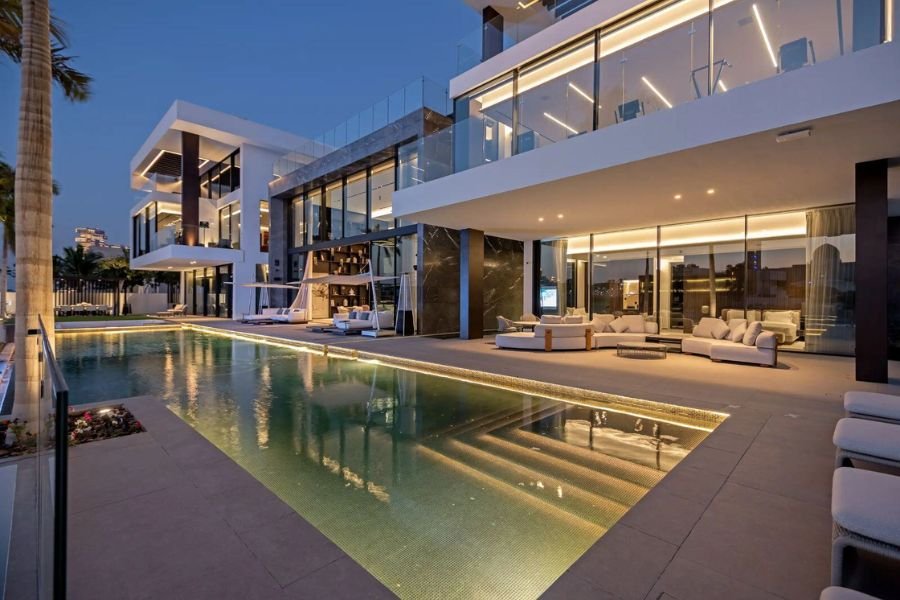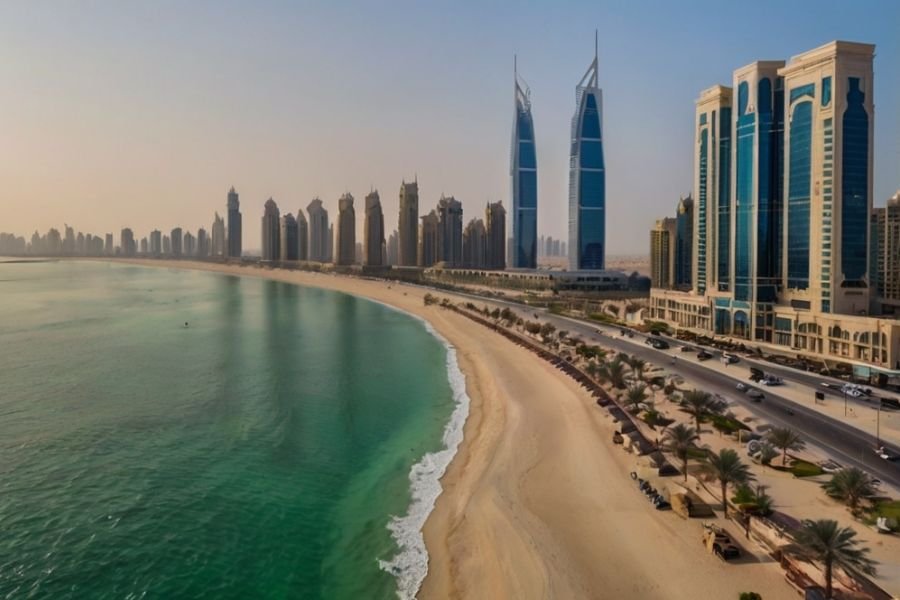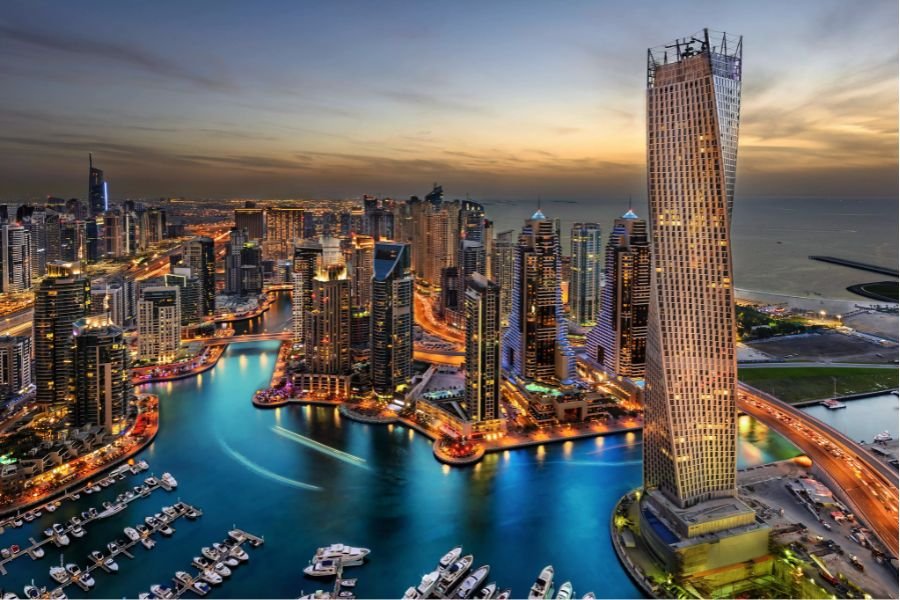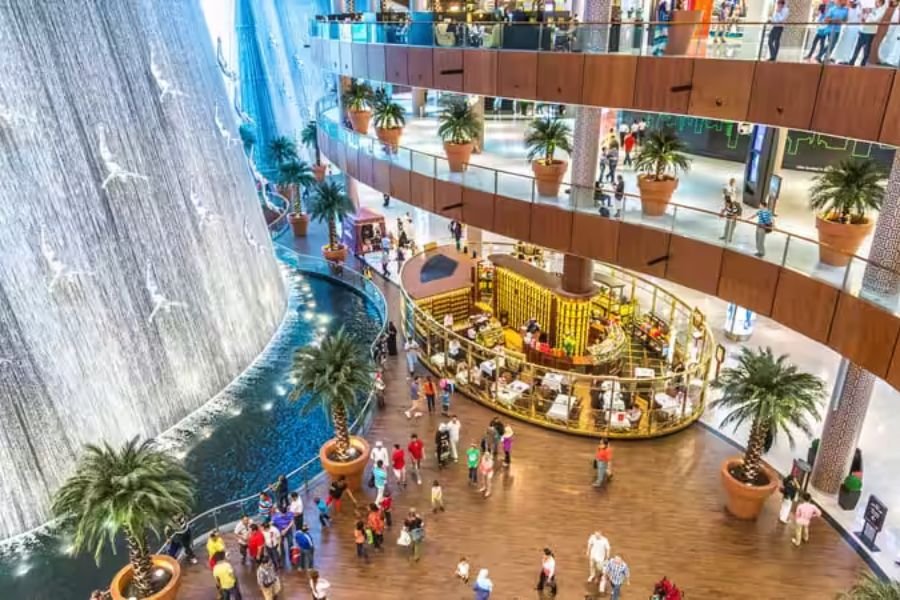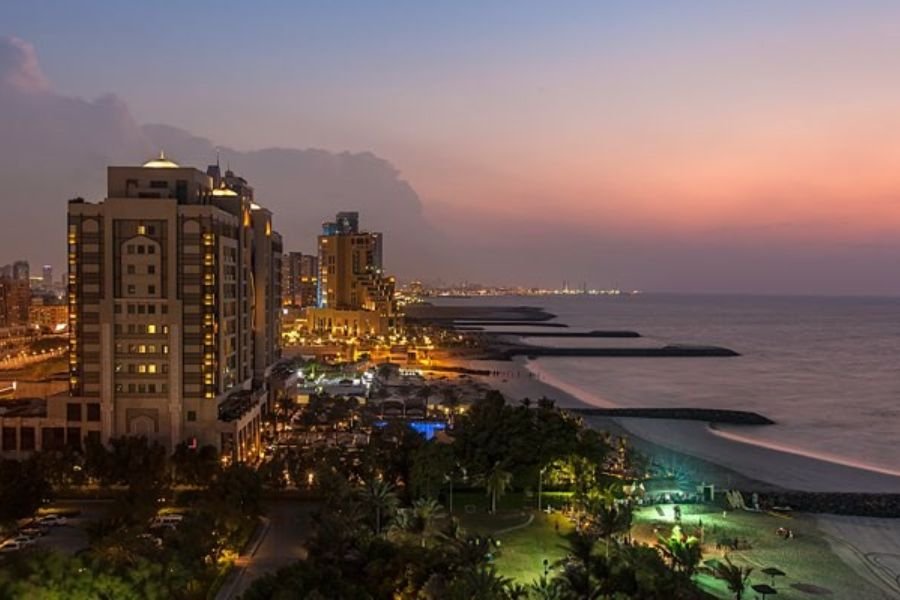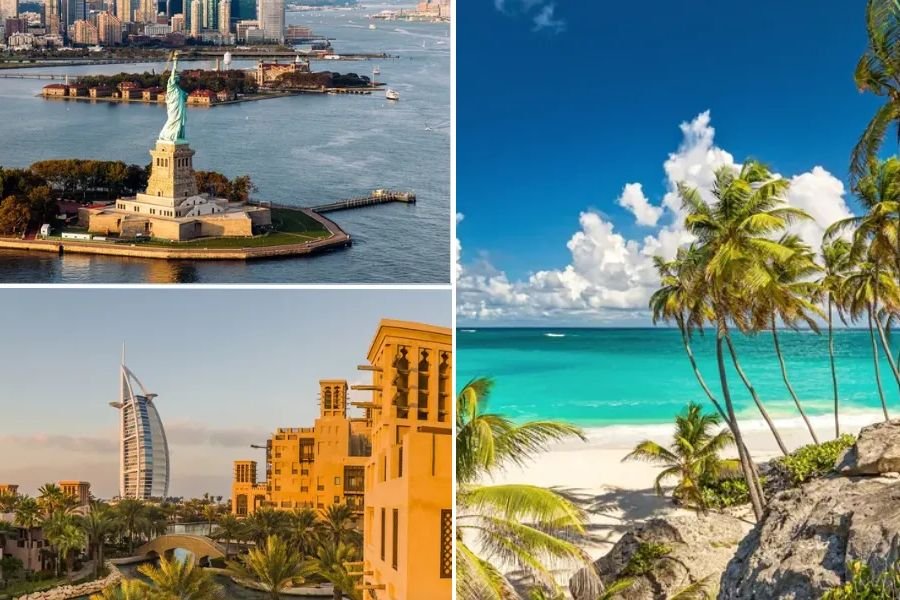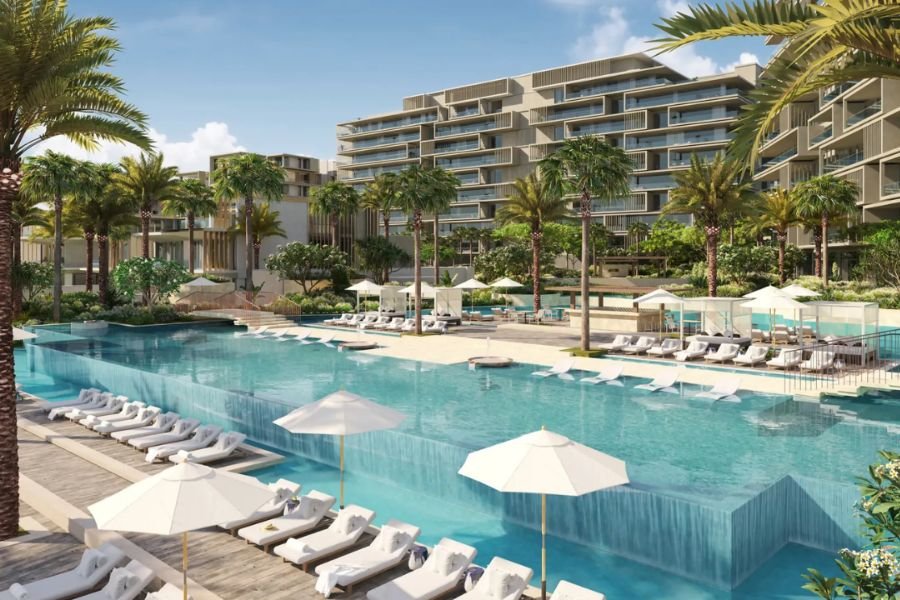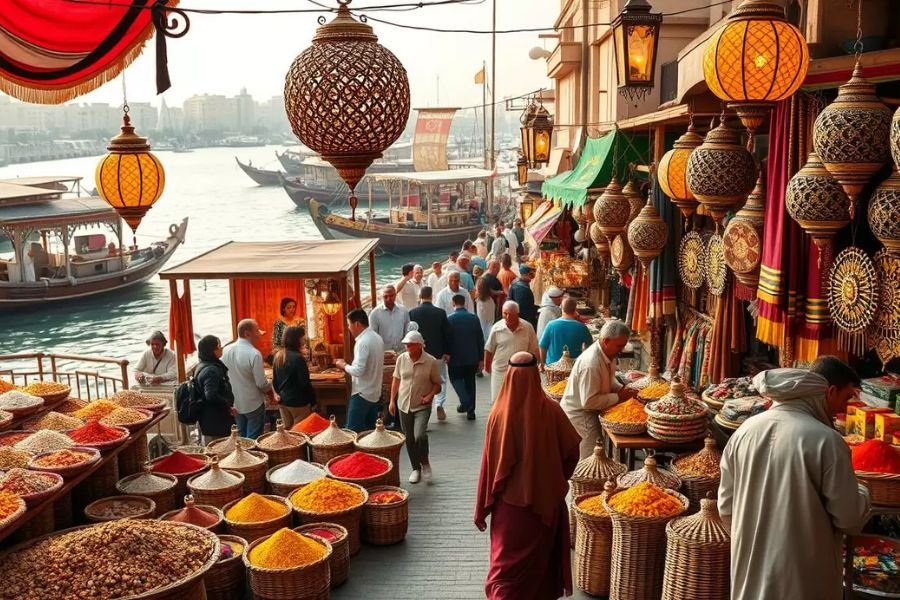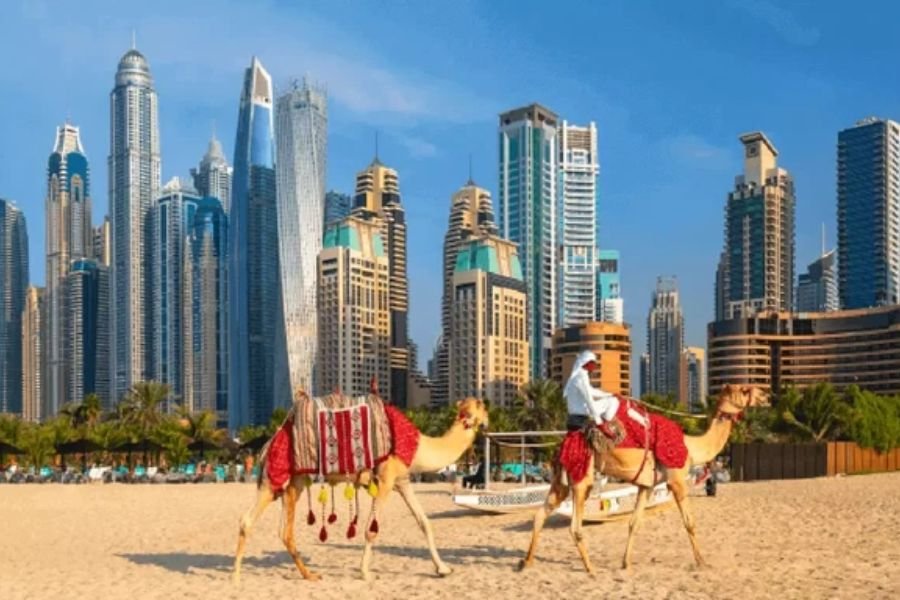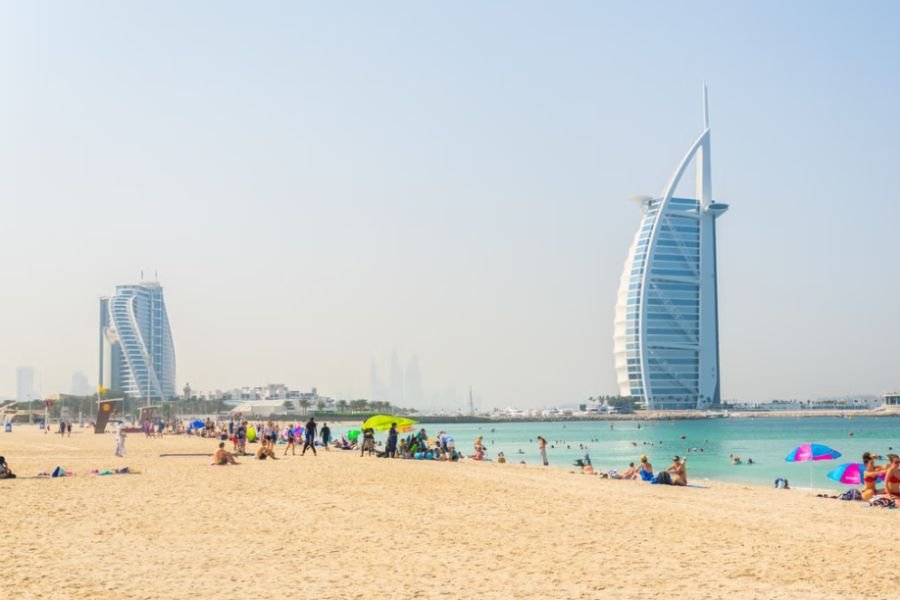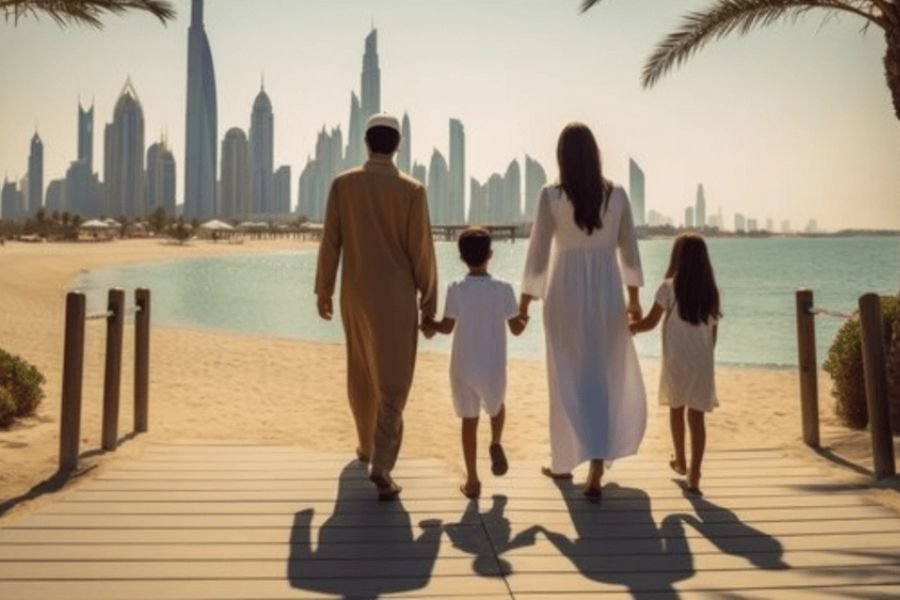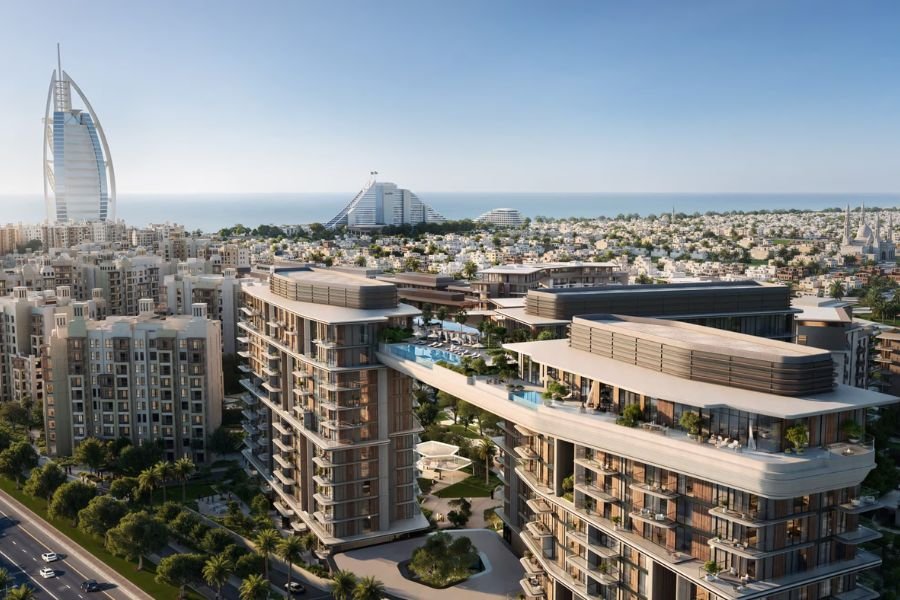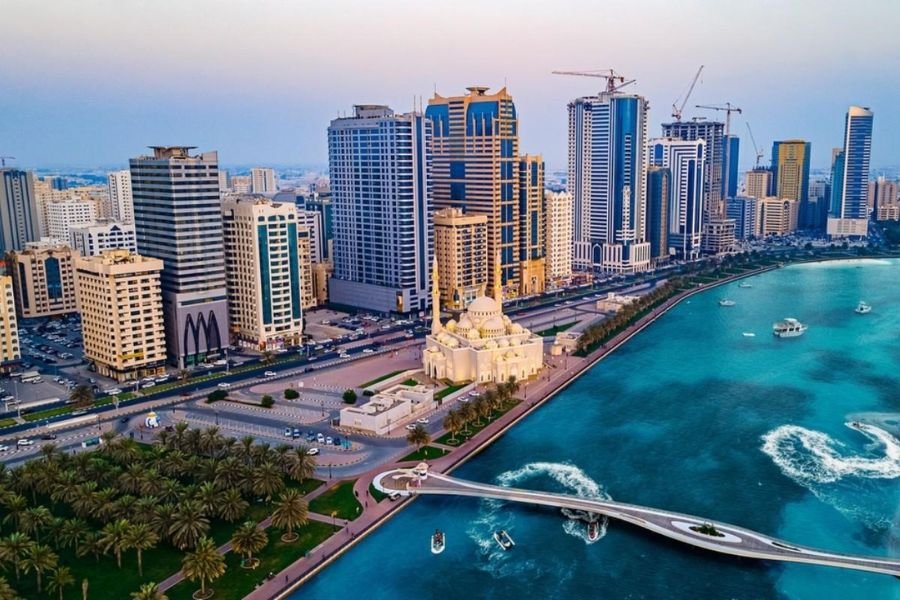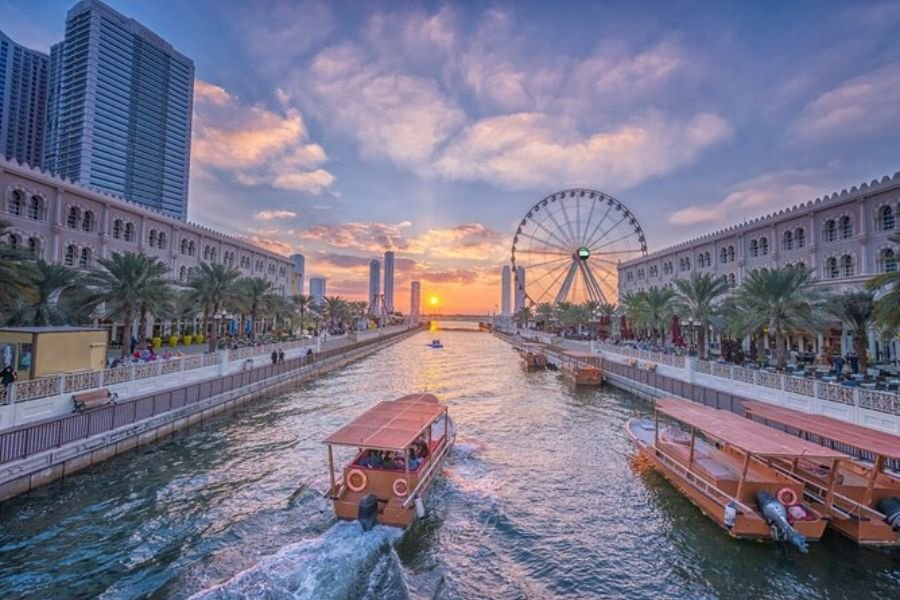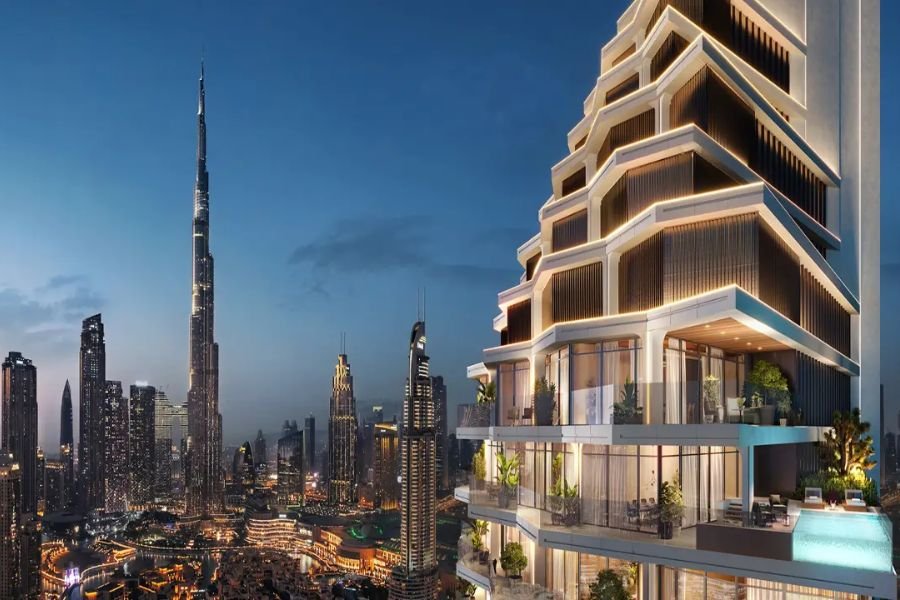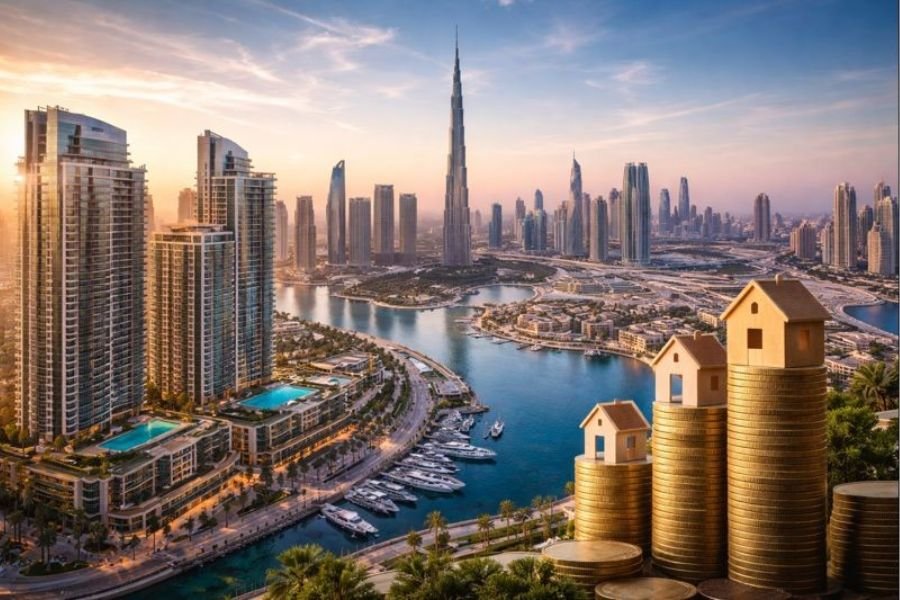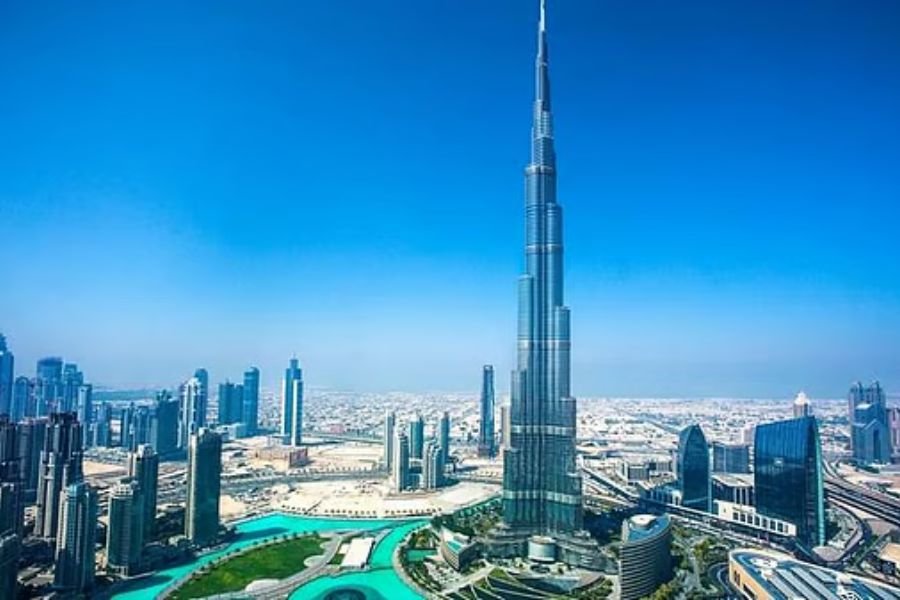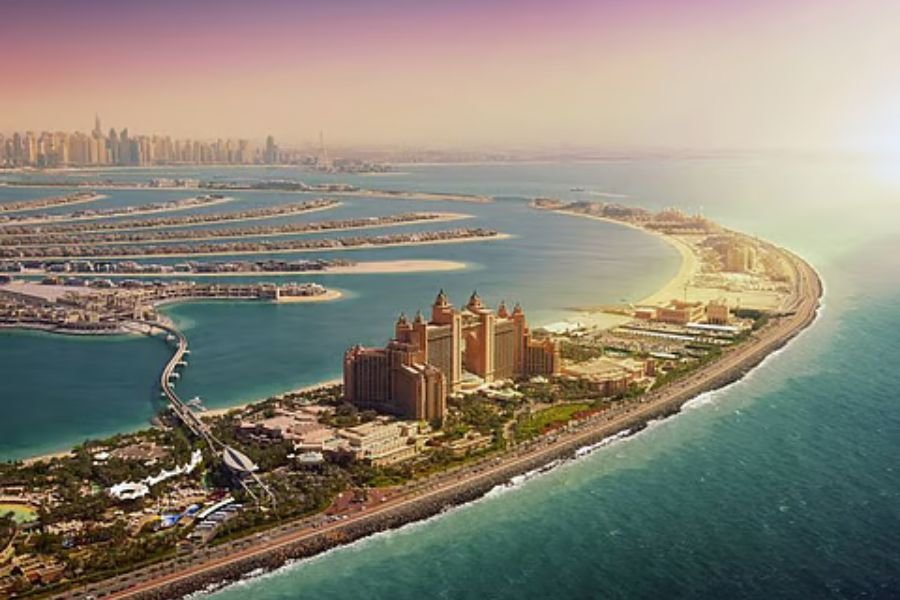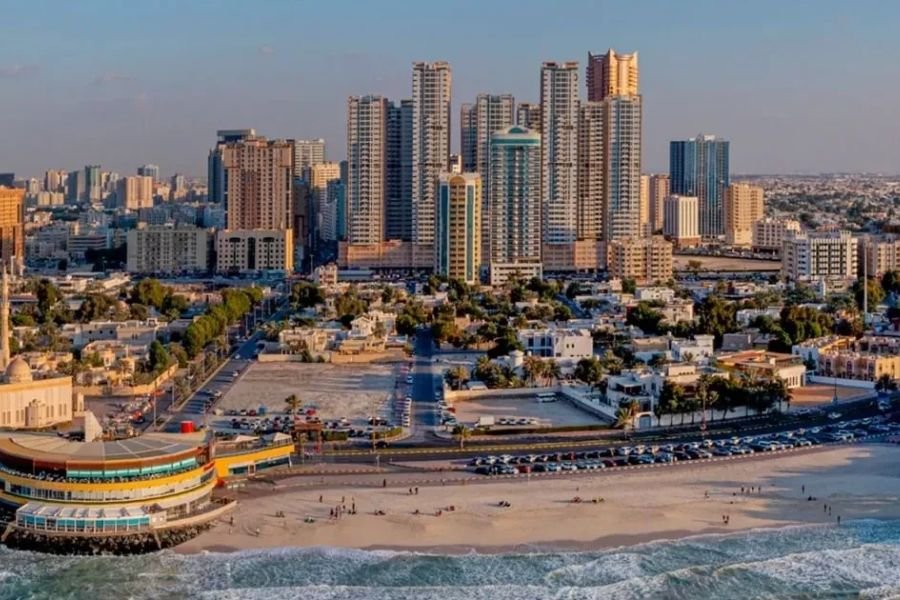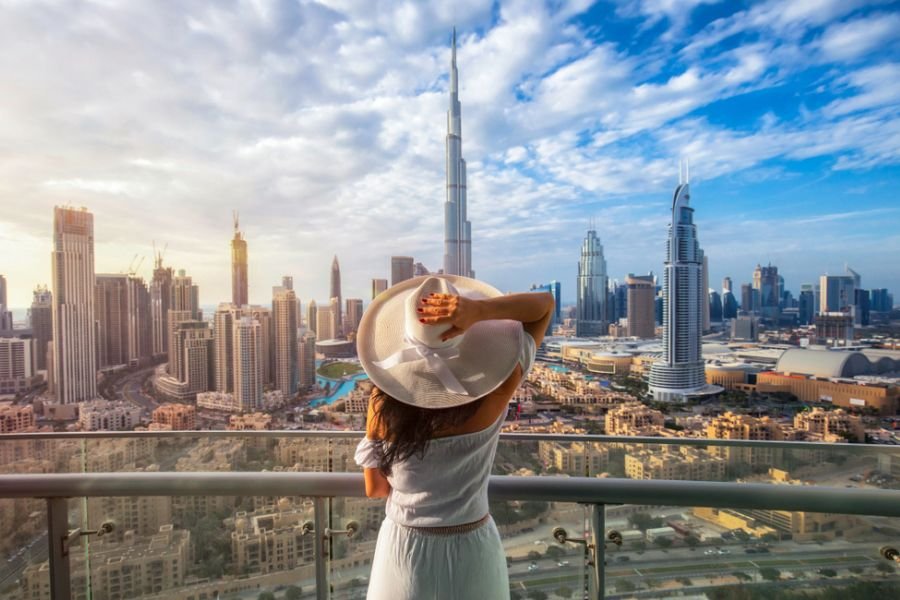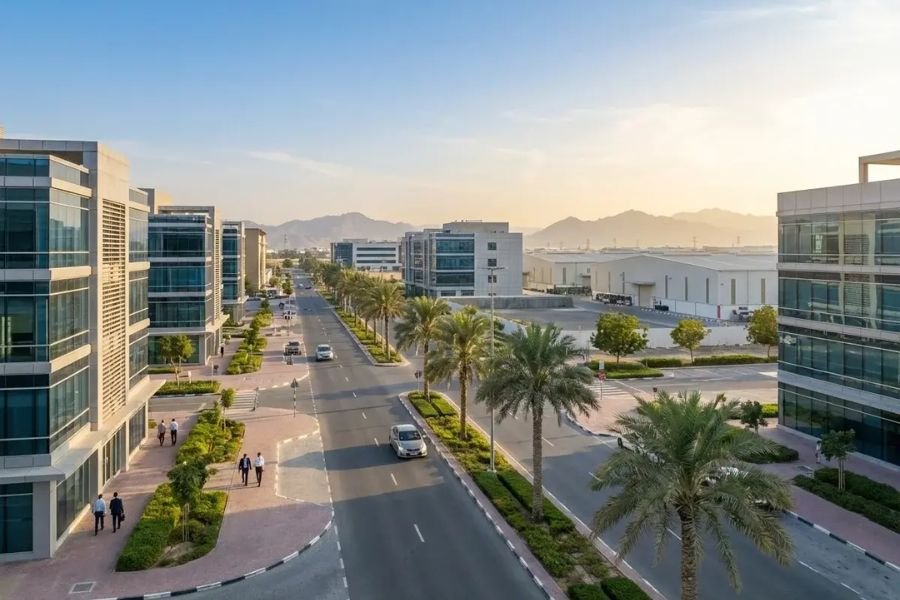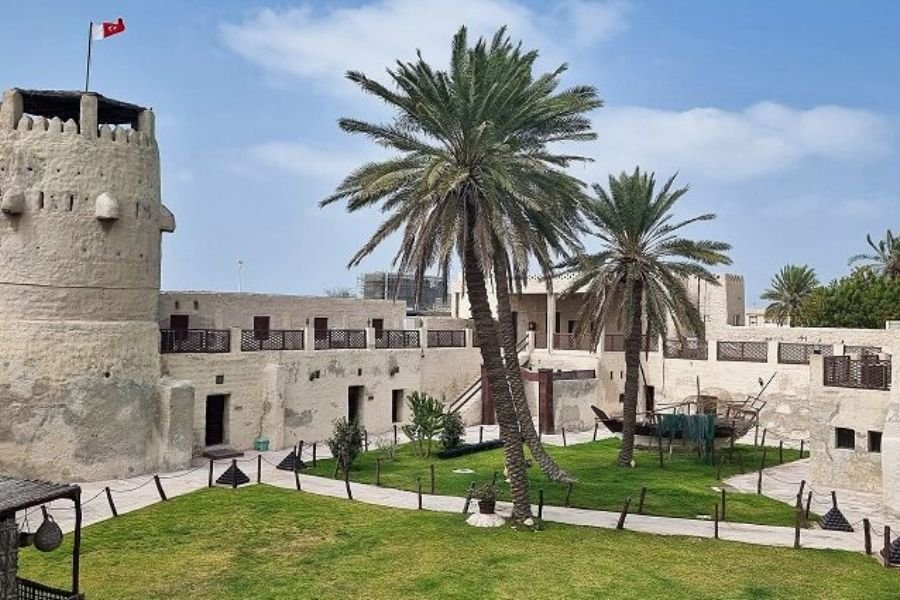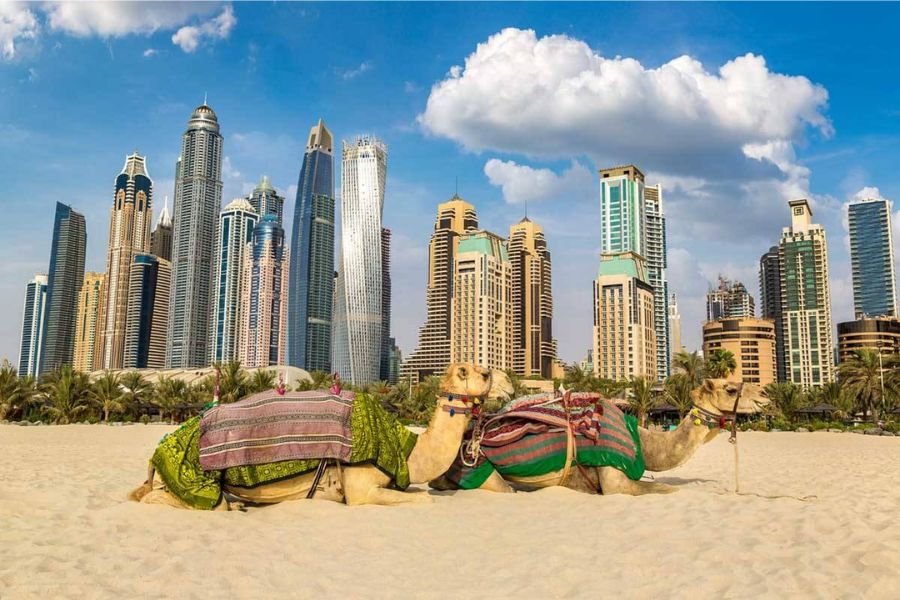
The United Arab Emirates' weather plays a pivotal role in shaping expat life in Dubai, blending hot summers with mild winters that influence daily routines and relocation planning. This comprehensive guide equips professionals and families moving to Dubai in 2026 with practical insights on living, working, and thriving in this dynamic city.
Understanding United Arab Emirates Weather Patterns
Dubai's climate features extreme heat from May to September, with temperatures often exceeding 40°C and high humidity levels that can feel oppressive. Winters from November to March offer pleasant 20-25°C days, ideal for outdoor activities, while spring and autumn provide transitional comfort. Expats must prepare for air-conditioned environments year-round to maintain health and comfort, as prolonged heat exposure can lead to dehydration and heat-related illnesses.
Summer Heat Management Tips
Stay hydrated, limit midday sun exposure, and use UV-protective clothing. Indoor malls and pools become social hubs during peak summer.
Winter Outdoor Lifestyle
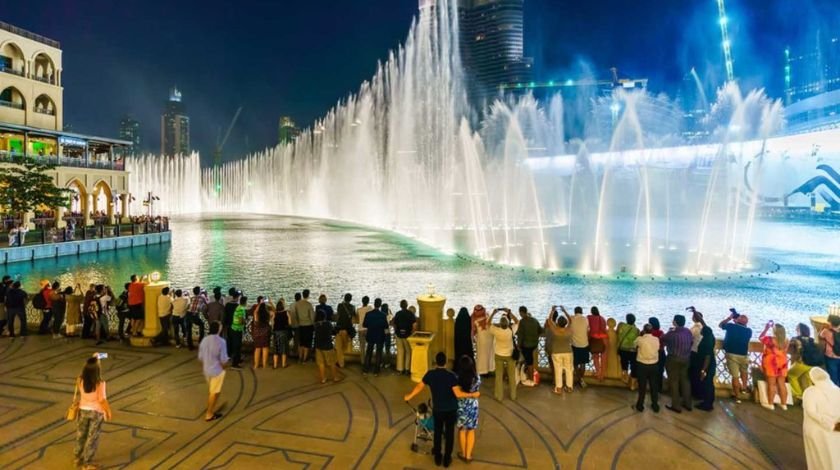
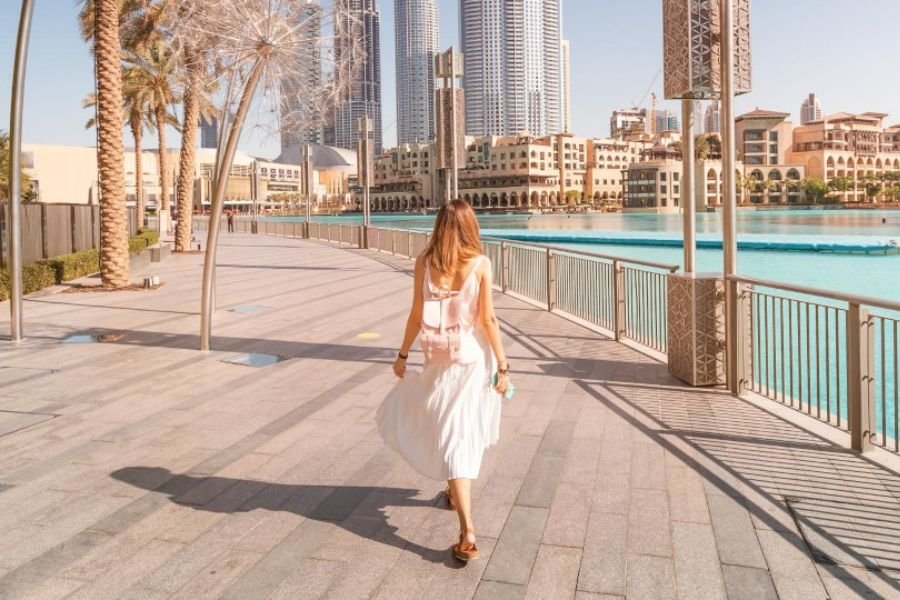
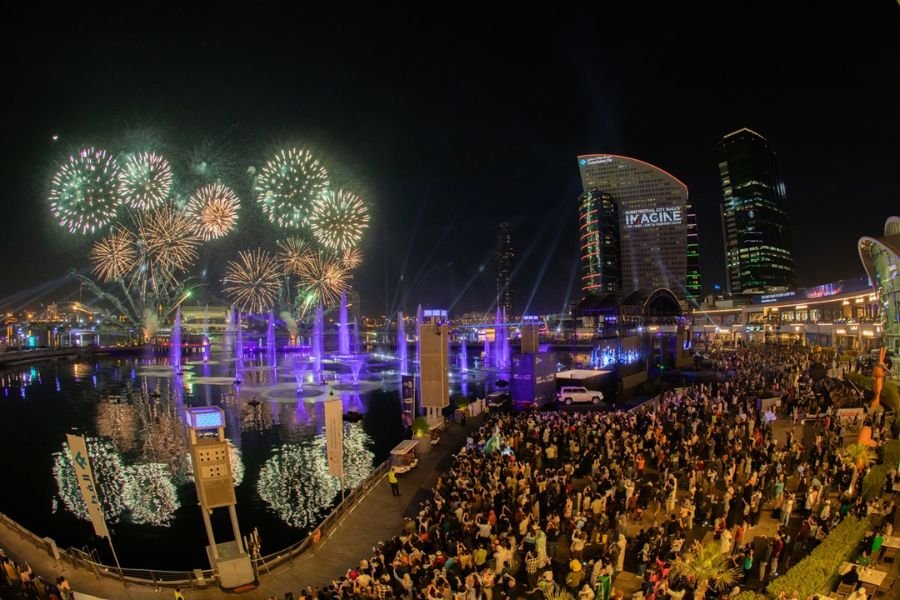
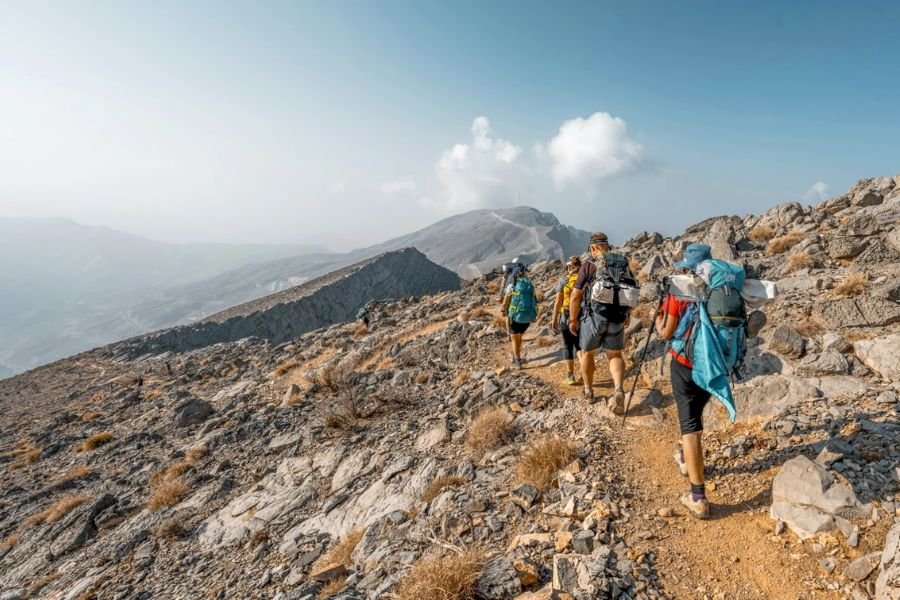
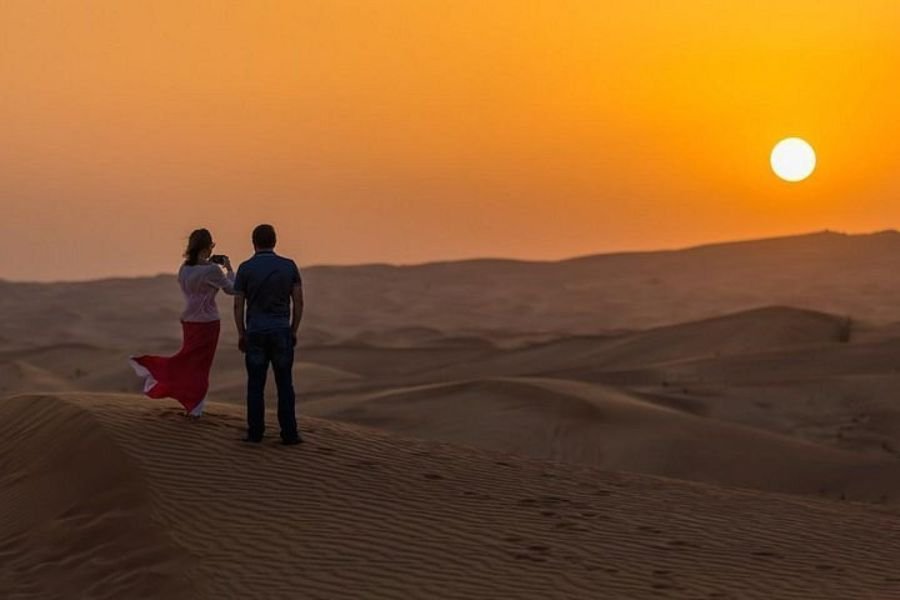
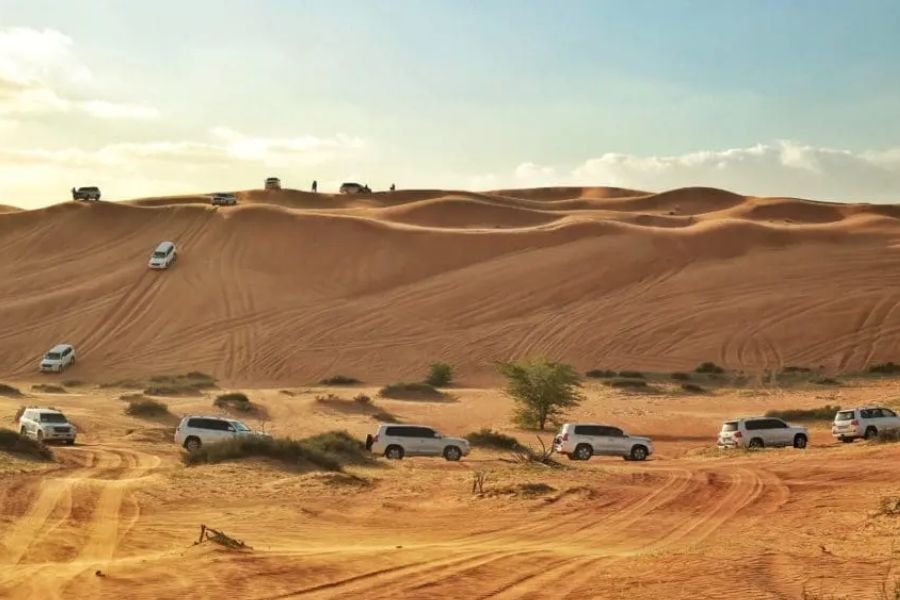
Mild united arab emirates weather enables beach days, desert safaris, and festivals, enhancing the quality of life for those living in Dubai.
Is Dubai Safe to Live? Security for Expats
Dubai ranks among the world's safest cities, with low crime rates, advanced surveillance, and strict laws ensuring public safety. Families report feeling secure walking at night, and expatriate communities benefit from responsive emergency services. Health standards are high, with world-class hospitals like Mediclinic and American Hospital providing comprehensive care, though private insurance is essential for expats.
Cost of Living in Dubai 2026
Monthly expenses for a single expat average AED 12,000-15,000, covering rent, utilities, and leisure without income tax. Families need AED 25,000-40,000, factoring in schooling and housing. Budgeting around united arab emirates weather-related costs, like higher summer AC bills (AED 700-1,200), keeps finances stable.
|
Expense Category |
Single (AED/month) |
Family of 4 (AED/month) |
|
Rent (1-2 Bed) |
6,000-10,000 |
12,000-20,000 |
|
Utilities |
700-1,200 |
1,000-1,800 |
|
Groceries |
800-1,200 |
2,000-3,000 |
|
Transport |
300-500 |
800-1,200 |
|
Healthcare/Ins. |
500-800 |
1,500-3,000 |
|
Leisure |
800-1,500 |
2,000-4,000 |
Best Neighbourhoods for Living in Dubai
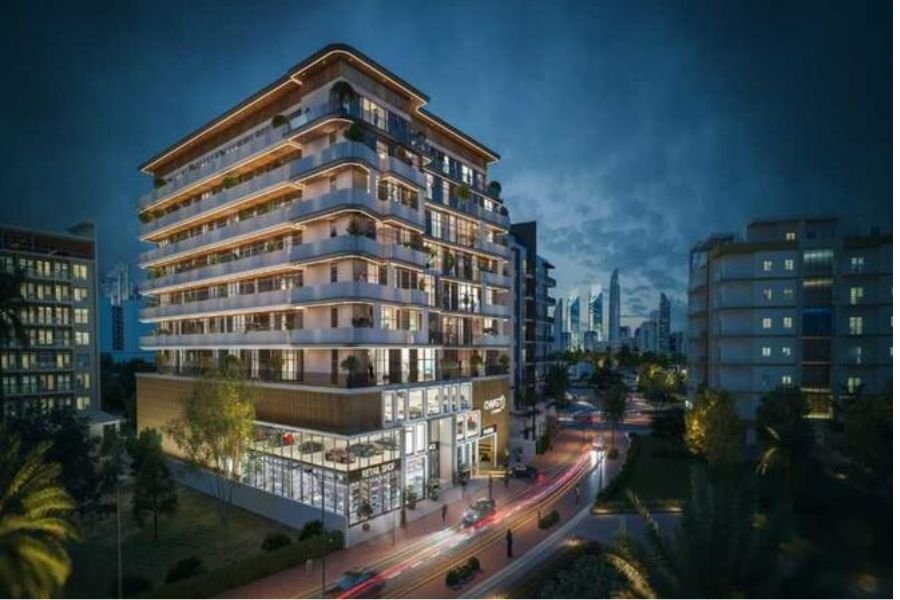
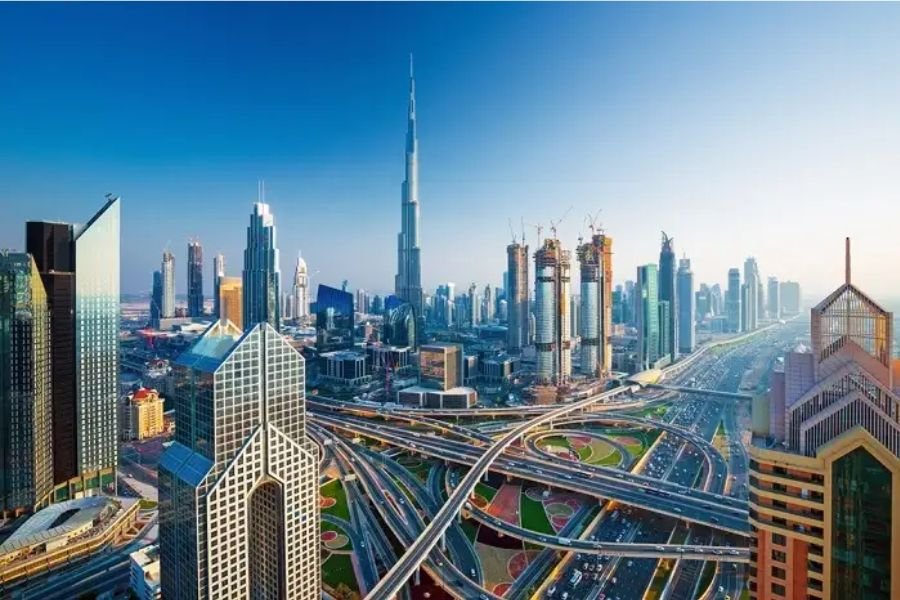
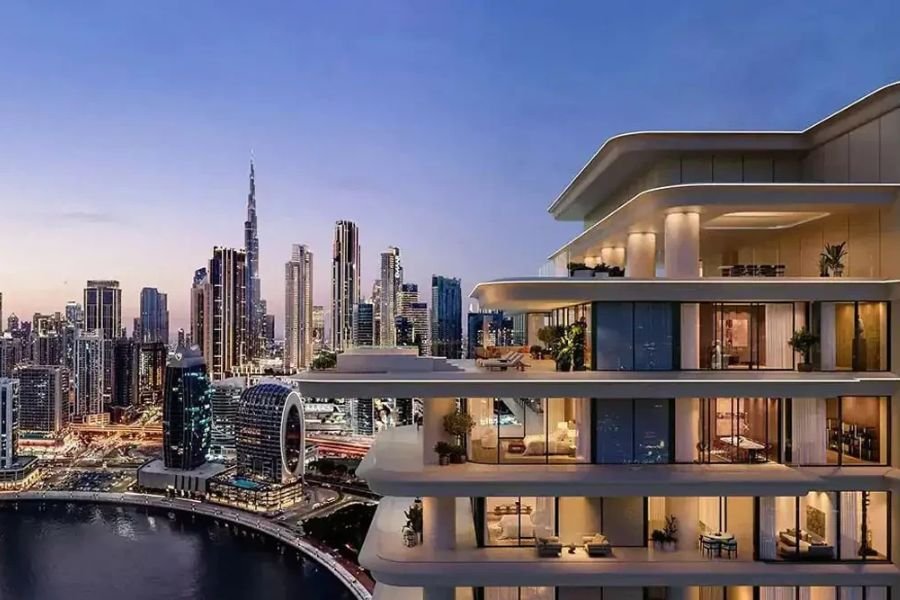
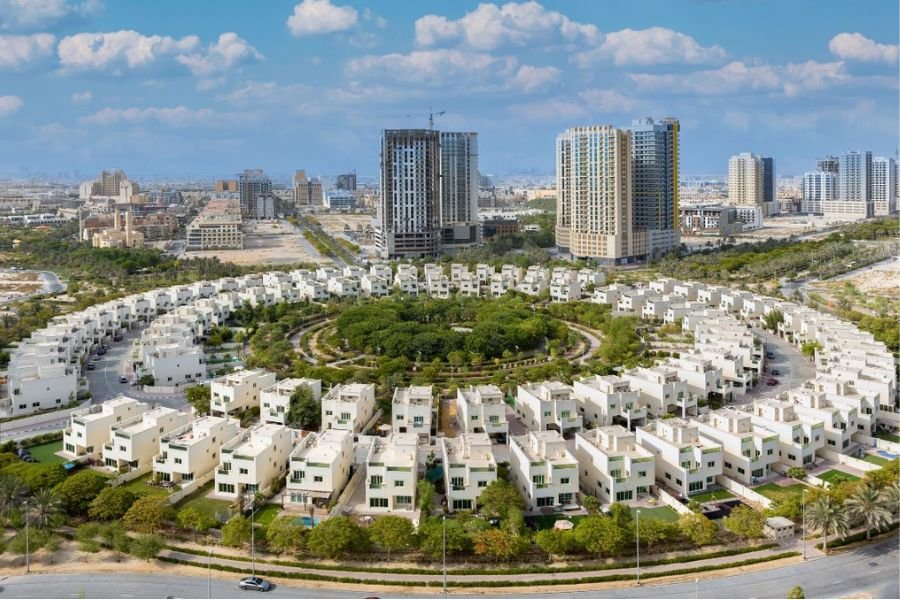
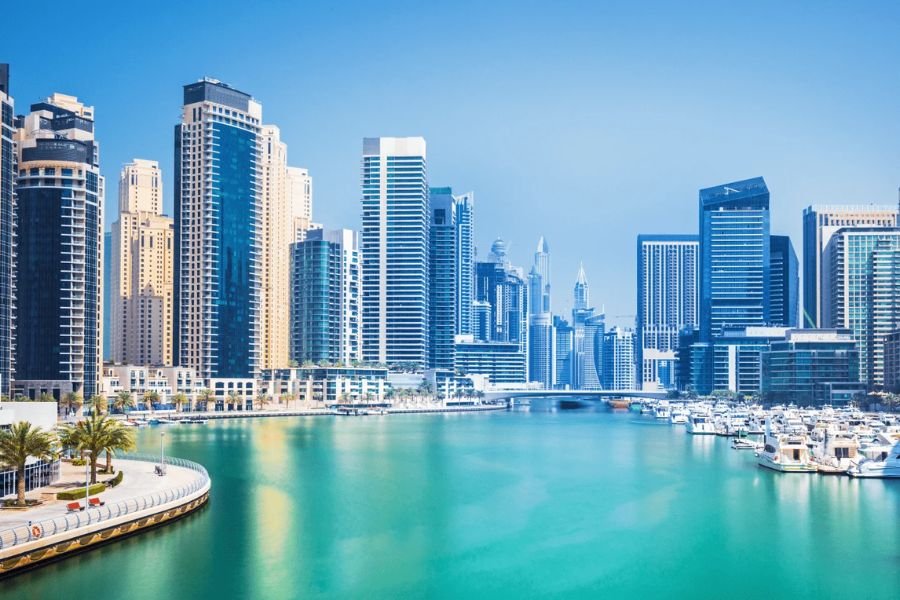
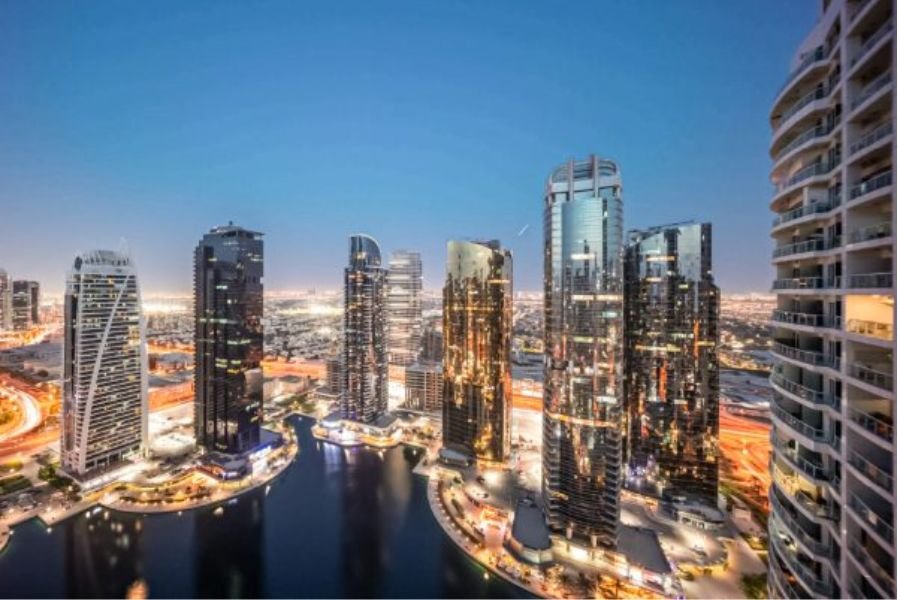
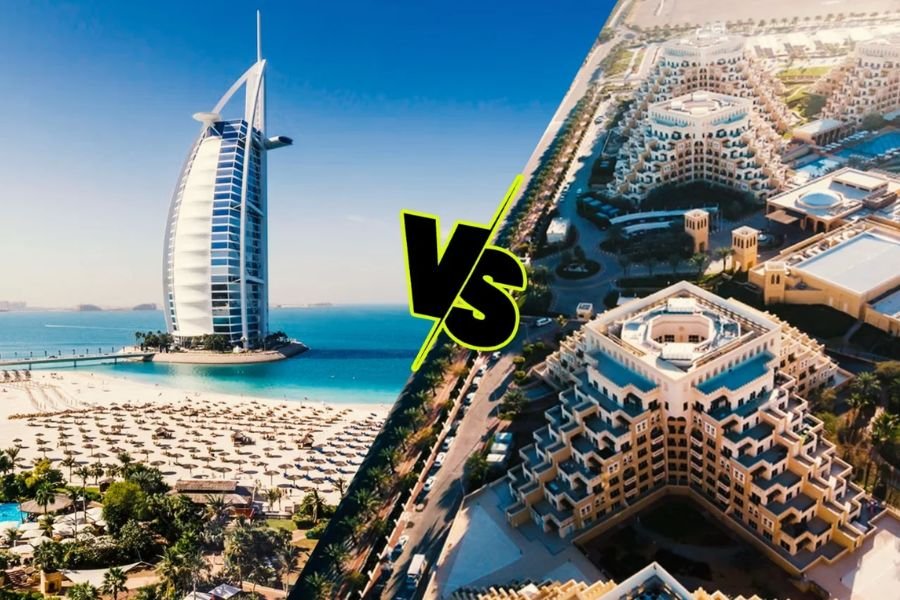
Expats choose areas based on lifestyle and budget. Dubai Marina suits young professionals with its vibrant nightlife and waterfront views, while Arabian Ranches offers family-friendly villas amid green spaces. Jumeirah Village Circle (JVC) provides affordable apartments, balancing united arab emirates weather resilience with community amenities.
Family-Oriented Communities
Arabian Ranches and The Springs feature parks, schools, and pools, ideal despite the hot weather in the united arab emirates.
Professional Hubs
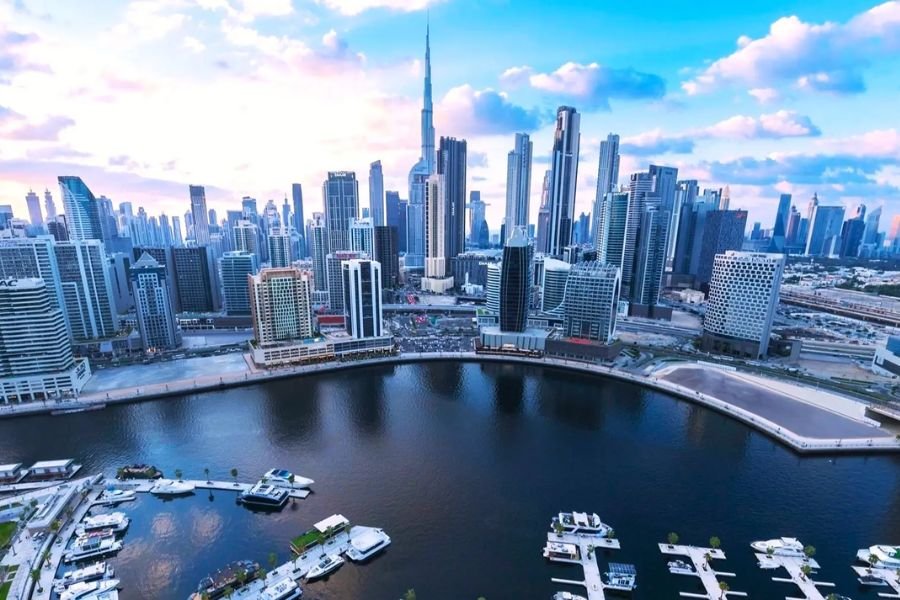
Downtown and Business Bay offer proximity to offices, with metro access easing commutes.
Working in Dubai: Opportunities and Visas
Dubai's economy thrives in tech, finance, tourism, and real estate, with expatriate jobs in dubai uae abundant for skilled workers. No income tax boosts take-home pay, and free zones like DMCC simplify business setup. Work visas require employer sponsorship, typically valid for 2-3 years, with Golden Visas for investors or high achievers.
Top Sectors for Expats
- Finance and fintech
- Healthcare and wellness
- Hospitality and aviation
- IT and AI innovation
Remote work visas support digital nomads, aligning with Dubai's post-pandemic flexibility.
Healthcare System for Expats
Dubai mandates employer-provided health insurance, covering routine check-ups, emergencies, and chronic care. Facilities meet international standards, with English-speaking doctors and short wait times. During extreme united arab emirates weather, clinics monitor heat stress; annual check-ups promote preventive health.
Education and Family Life
International schools like GEMS and Kings' follow British, American, or IB curricula, with fees of AED 40,000-100,000 yearly. Public options exist for Emiratis, but expats opt for private institutions. Child-friendly activities, weather permitting, include indoor play areas in summer.
Transportation and Daily Commute
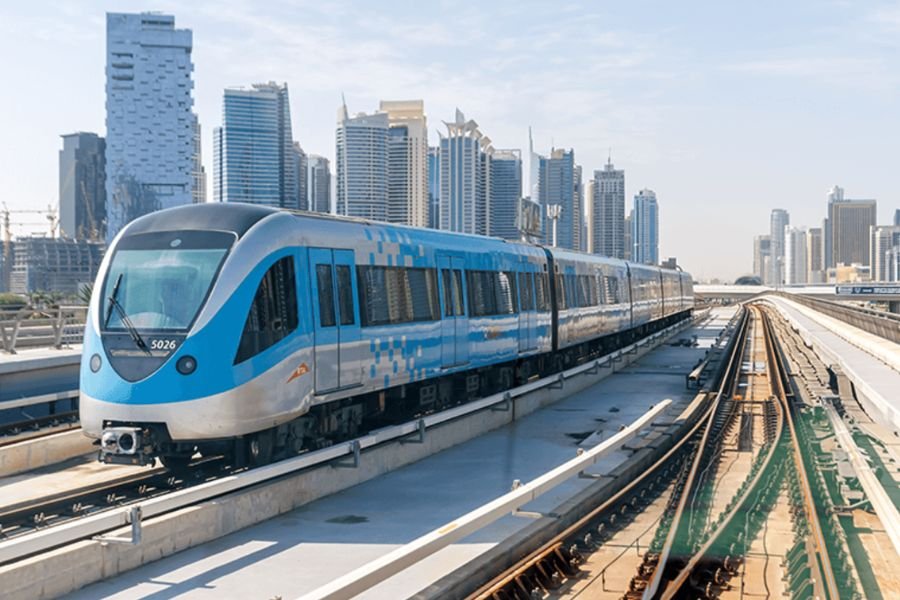
Dubai Metro, trams, and buses offer affordable public transit (AED 300-450 monthly pass). Ride-hailing like Careem is popular, and car ownership suits suburbs. Traffic peaks during cooler months when united arab emirates weather encourages more driving.
Cultural Adaptation and Lifestyle
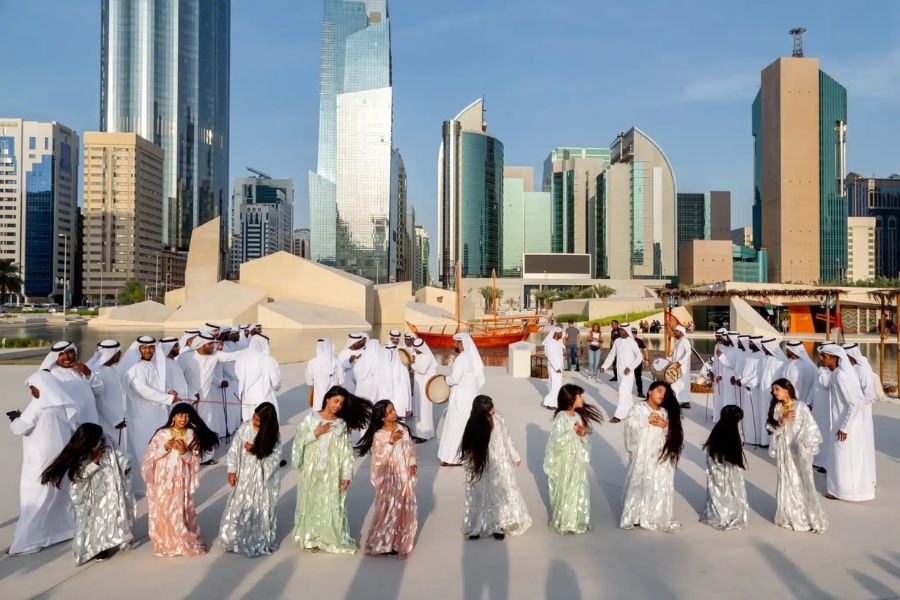
Respect Islamic customs: modest dress in public, no PDA, and Ramadan fasting awareness. Diverse expat communities host events, fostering belonging. Weather in the united arab emirates dictates indoor socialising in summer, outdoor brunches in winter.
Visa and Residency Essentials 2026
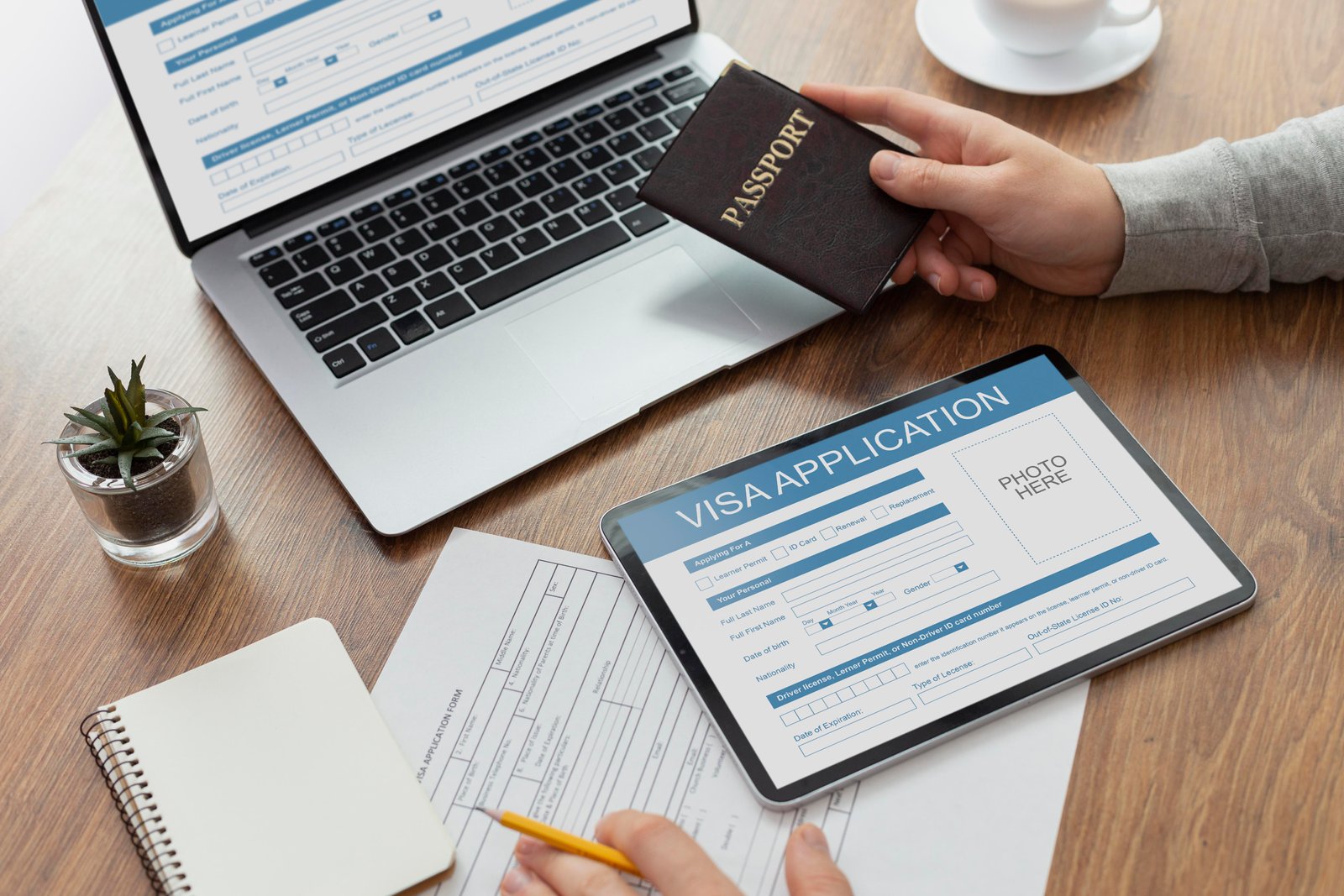
Entry visas are free on arrival for many nationalities (30-90 days). Long-term residency needs job offers, property investment (AED 2M+), or retirement visas. Updates in 2026 streamline family sponsorships.
Financial Planning and Banking
Tax-free salaries aid savings, but plan for end-of-service gratuity. Banks like Emirates NBD offer expat accounts with multi-currency options. Budget 20-30% for housing amid rising 2026 rents.
Relocation Logistics with Dubai Packers and Movers
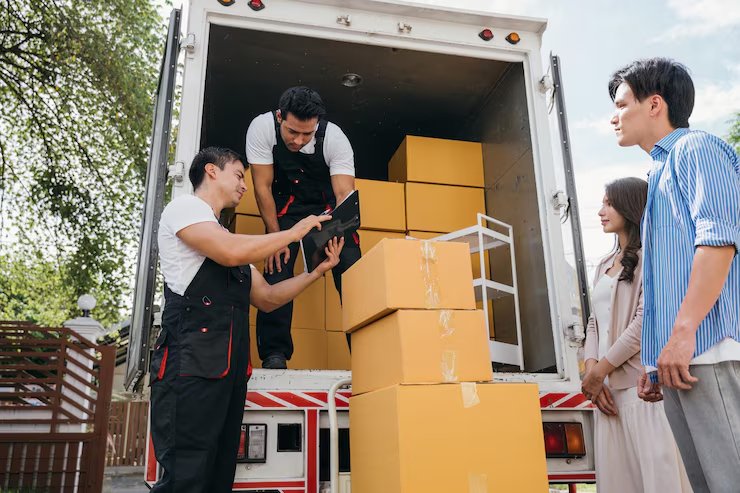
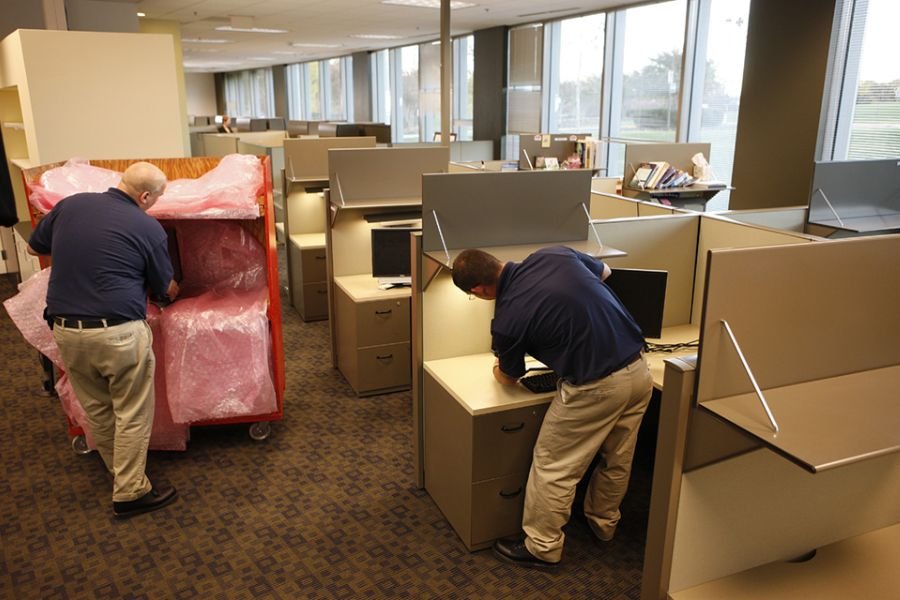
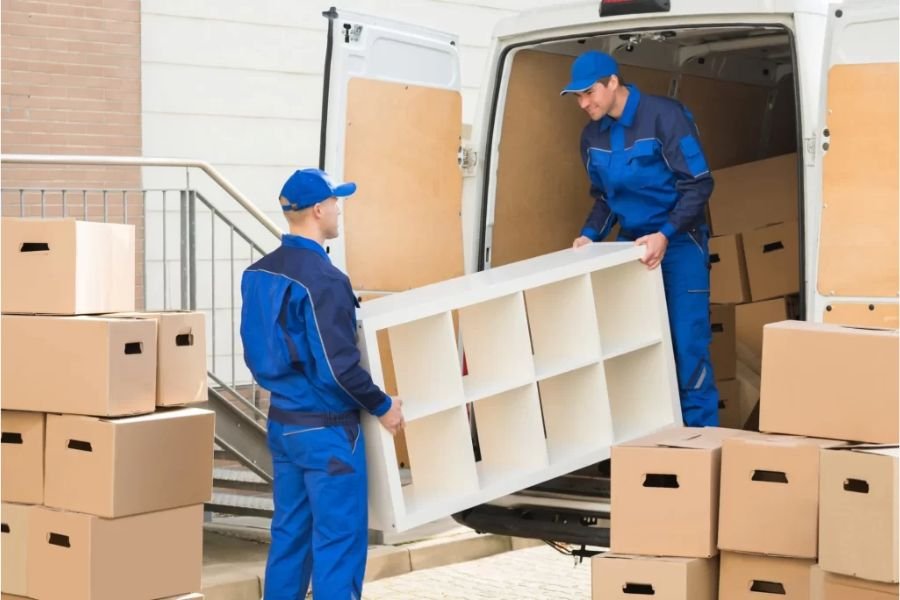
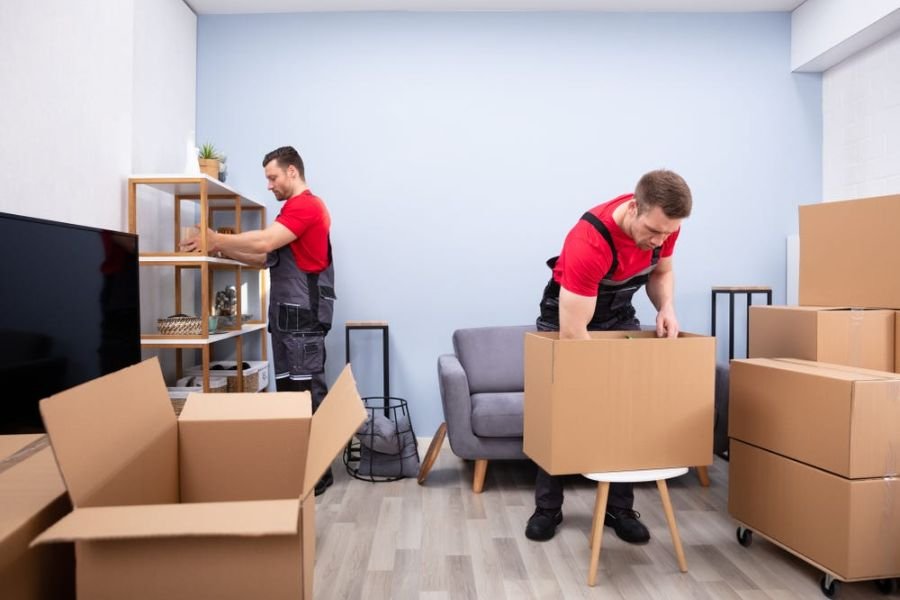
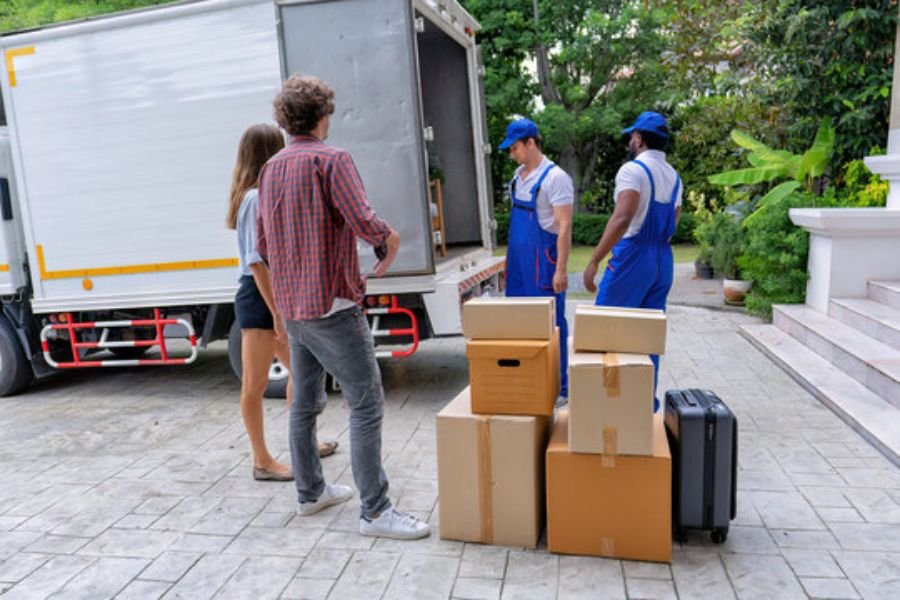
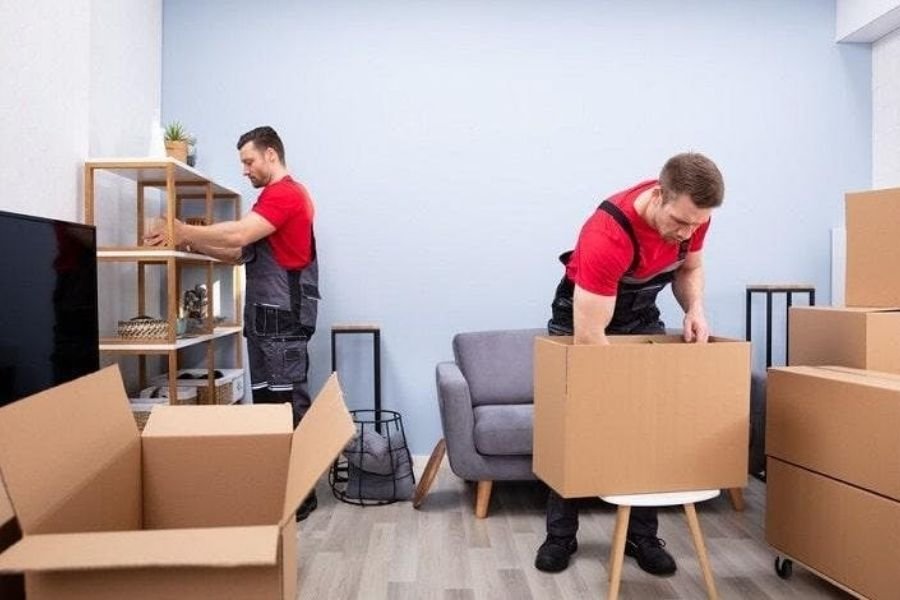
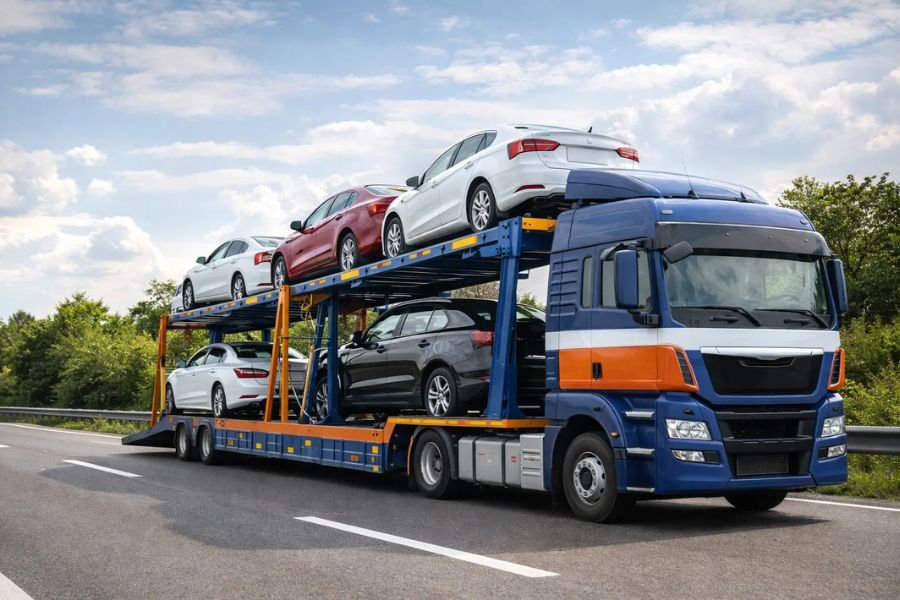
Moving to Dubai? Dubai Packers and Movers handles international shipments, customs clearance, and local delivery with insured, climate-controlled services. Their expertise ensures belongings withstand united arab emirates weather transitions, making your shift seamless.
Dubai 2026 Market Trends
Economic diversification reduces oil reliance, boosting jobs in green tech and tourism. Property prices stabilise, with 5-7% rental growth. Sustainability initiatives combat heat, improving livability.
FAQ
What is the united arab emirates weather like year-round?
Hot summers (40°C+) contrast mild winters (20-25°C), with high humidity; plan AC-dependent living.
Is working in Dubai viable for expats in 2026?
Yes, with tax-free salaries and demand in tech, finance, and secure sponsored visas first.
How safe is living in Dubai for families?
Extremely safe, low crime, excellent healthcare; ideal for expatriate jobs in dubai uae.
Does the weather in the united arab emirates affect daily life?
Summers push indoor activities; winters enable outdoors, influencing housing choices.
Is Dubai safe to live in compared to other cities?
Top global safety rankings, family-friendly, with robust emergency response.
What are the costs for expatriate jobs in Duba, UAE holders?
AED 12K-15K monthly supports singles comfortably, covering rent and lifestyle.
Embrace Dubai's opportunities in 2026—contact Dubai Packers and Movers for reliable relocation support tailored to your expat journey.