Moving to the UAE promises a vibrant, tax-free lifestyle, but grasping the cost of living in Dubai ensures a smooth transition. From housing in top neighborhoods in Dubai to utilities like the cost of electricity in Dubai, budgeting wisely is key for anyone considering living in Dubai. Dubai Packers and Movers makes relocation seamless, handling your move so you can focus on settling in.
Understanding Initial Settlement Expenses
The first month in the UAE brings one-time costs totaling AED 10,000–30,000 for singles or AED 30,000–60,000 for families. Rent deposits often equal one month's rent, plus Ejari registration at AED 220 per contract. DEWA deposits for electricity and water add AED 2,000 for apartments or AED 4,000 for villas, directly tying into the cost of electricity in Dubai.
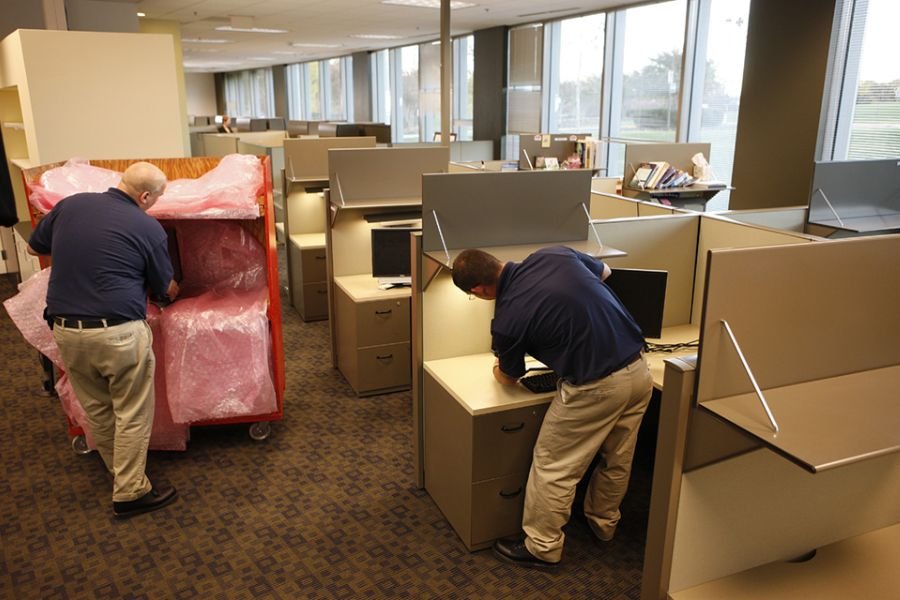
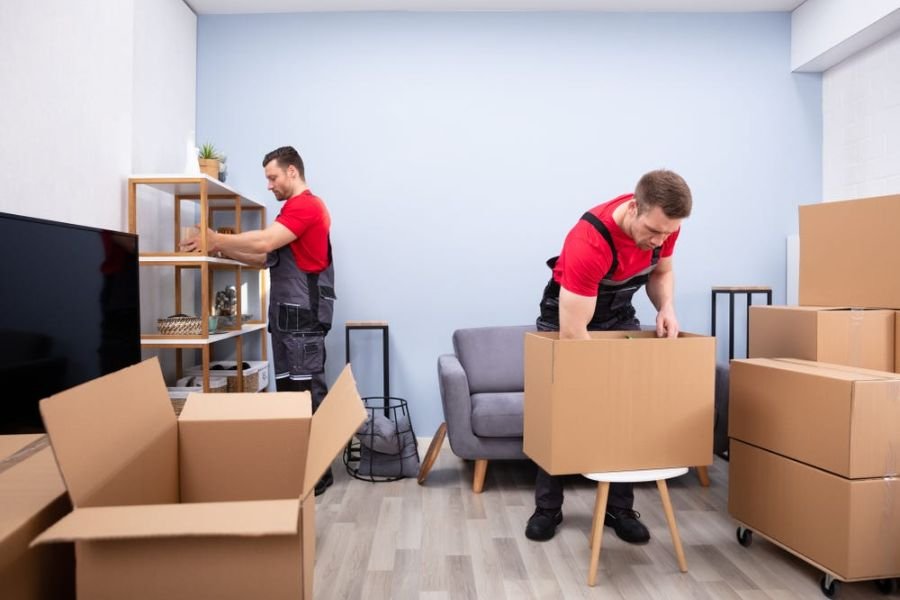
Visa processing and Emirates ID fees range from AED 1,500–3,000 per person, with dependents costing more. Health insurance is mandatory; basic individual plans start at AED 550 annually, while comprehensive family coverage can reach AED 10,000–25,000. Professional movers like Dubai Packers and Movers charge AED 1,000–4,500 based on household size, preventing damage and saving time during your shift to living in Dubai.
These upfront investments set the foundation. Families should prioritise insurance covering pre-existing conditions, as Dubai's healthcare standards demand reliable coverage for the long-term cost of living in Dubai. Planning these costs upfront prevents financial strain and allows focus on integrating into neighborhoods in Dubai.
Housing: The Core of Cost Of Living In Dubai
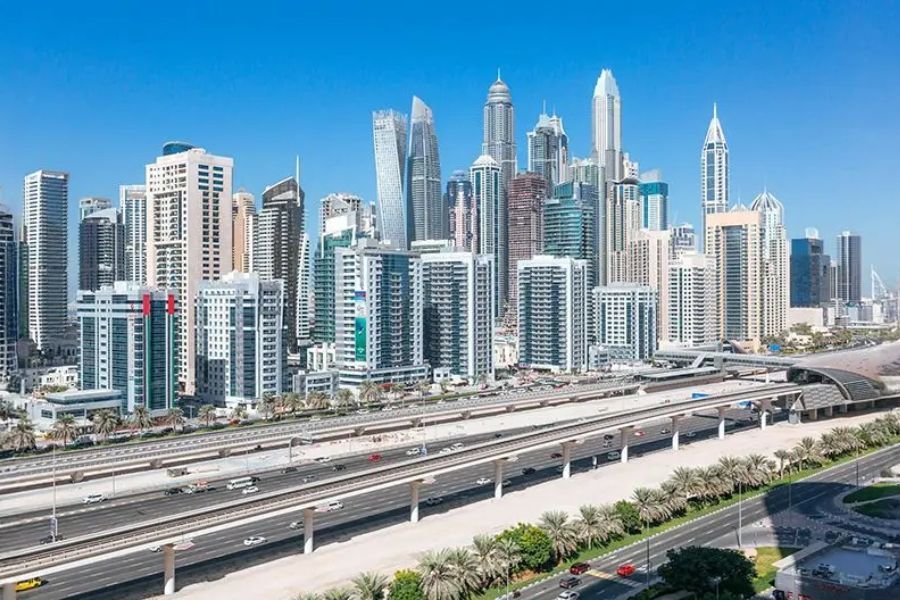
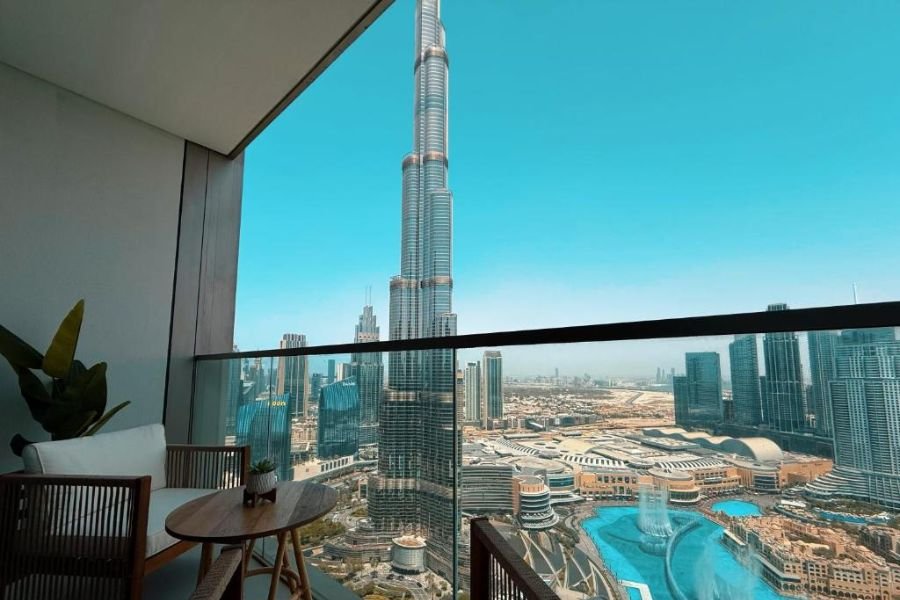
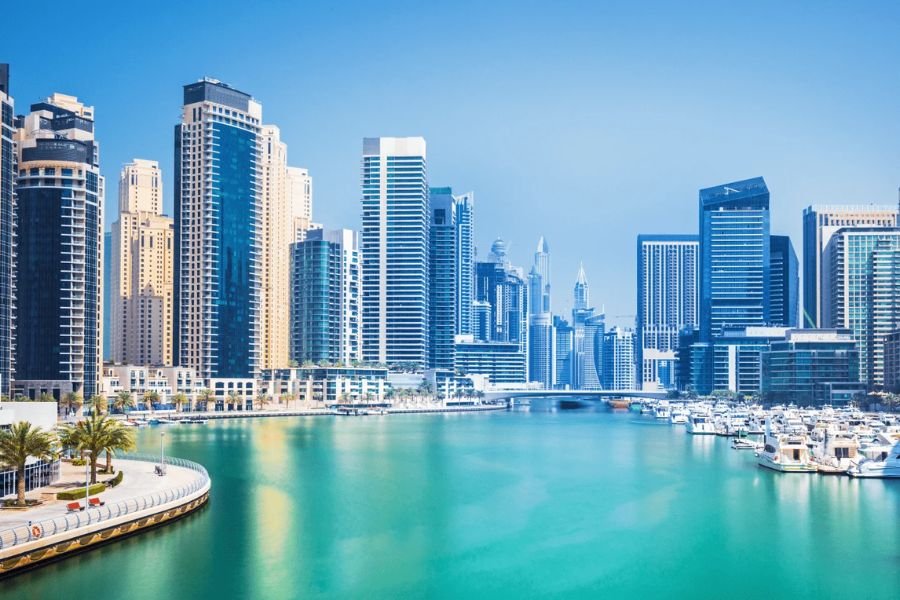
Rent forms 40-50% of the cost of living in Dubai, varying widely by neighbourhoods in Dubai. A studio in budget-friendly JVC starts at AED 60,000 yearly, while luxury 3-bedroom units in Palm Jumeirah exceed AED 300,000. Popular neighbourhoods in Dubai, like Dubai Marina, offer stunning views and metro access but command 20-30% premiums over areas like Arjan or International City.
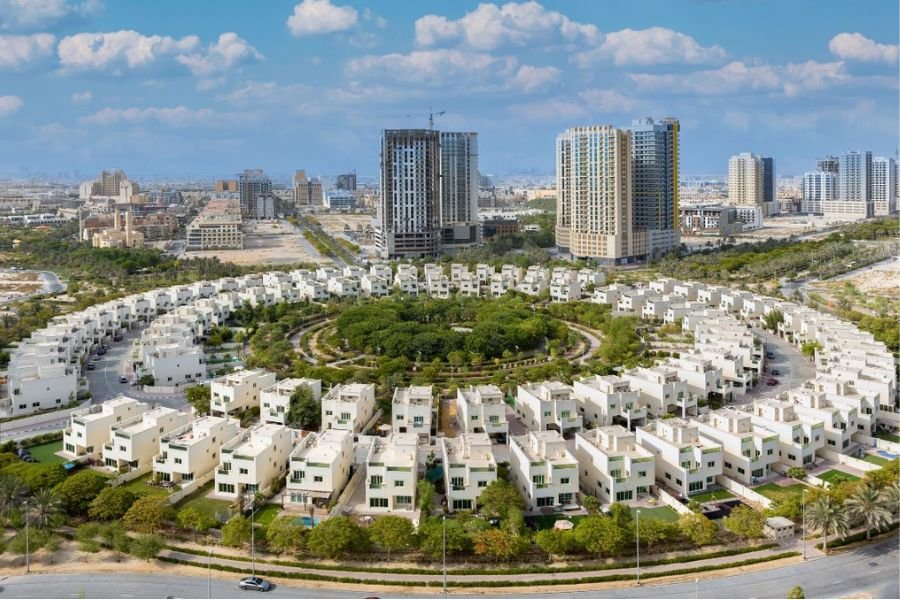
For living in Dubai, families favour community-focused spots like Dubai Hills Estate, where green spaces and schools justify higher rents around AED 150,000–250,000 annually. Professionals often choose JLT or Business Bay for proximity to offices, with 1-2 bedroom apartments at AED 100,000–170,000. Annual leases allow negotiation, especially off-peak.
Pro tip: Factor in maintenance fees (AED 10-20/sq ft yearly) for high-rises; these cover pools, gyms, and security, enhancing your living in Dubai experience without surprise bills. Choosing the right neighborhood aligns housing costs with lifestyle needs in the cost of living in Dubai.
Utilities and Managing Cost Of Electricity In Dubai
Utilities add AED 500–2,000 monthly to the cost of electricity in Dubai and beyond. DEWA electricity rates are tiered: AED 0.32/kWh for the first 600kWh, rising to AED 0.78/kWh. A typical 1-bedroom apartment consumes 300–500kWh monthly (AED 300–600), spiking to AED 1,000+ in summer due to air conditioning, which accounts for 70% of usage.
Water costs AED 5–15 per 1,000 gallons, while high-speed internet and TV packages run AED 300–500. In larger neighborhoods in Dubai like The Springs, families budget AED 1,200+ during peak heat. Save by using DEWA's Green Plan for solar credits or setting thermostats to 24°C, reductions of 20% are common. Prepaid meters eliminate deposits, ideal for short-term living in Dubai setups.
Efficient utility management directly impacts the cost of living in Dubai, especially cost of electricity in Dubai during hot months. Regular maintenance of AC units ensures optimal performance and lower bills.
Groceries, Food, and Daily Necessities
Food expenses fit AED 800–4,000 monthly into the cost of living in Dubai. Singles spend AED 800–1,200 on staples like milk (AED 7/liter), bread (AED 5), and eggs (AED 15/dozen) at Lulu or Carrefour. Families allocate AED 3,000–4,000, prioritising local produce to cut imported goods' 20-30% markup.
Dining out varies: casual meals cost AED 50–100 per person, while brunches in neighborhoods in Dubai like Downtown reach AED 200+. Shop in Deira or older neighborhoods in Dubai for 15% savings on fresh markets. Meal prepping aligns with healthy living in Dubai, balancing nutrition without inflating your budget.
Smart shopping habits keep grocery costs predictable within the cost of living in Dubai. Focus on seasonal fruits and vegetables available across neighborhoods in Dubai for the best value.
Transportation Options for Living In Dubai
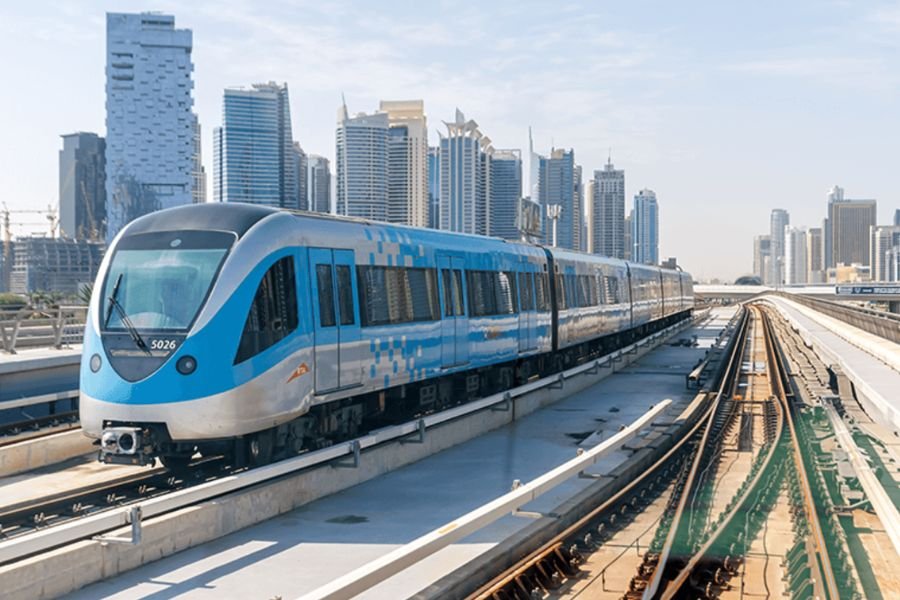
Transport ranges from AED 300 to 3,000 monthly. Dubai's Nol card for metro and buses costs AED 300–800 for daily commuters, covering key neighborhoods in Dubai efficiently. Taxis or Careem add AED 2.50/km, totalling AED 1,000 for heavy users.
Car ownership suits suburban neighborhoods in Dubai like Dubai Hills: fuel at AED 3/liter, plus AED 3,000 yearly for insurance and registration. Electric vehicles lower the long-term cost of electricity in Dubai via home charging. Metro expansions make public options viable for living in Dubai without car hassles.
Public transport growth reduces reliance on personal vehicles, easing transportation costs in the cost of living in Dubai.
Education, Healthcare, and Family Costs
Families face schooling fees of AED 20,000–80,000 per child annually. Public schools (Arabic curriculum) cost AED 6,000–12,000, Indian/UK options AED 25,000–60,000, and IB internationals AED 50,000+. Bus services add AED 5,000–11,000.
Healthcare relies on employer-provided insurance; doctor visits out-of-pocket run AED 200–500. Premium plans for families ensure coverage for routine check-ups and emergencies, vital for a sustainable cost of living in Dubai. Regular wellness checks support long-term health while living in Dubai.
Leisure, Entertainment, and Lifestyle
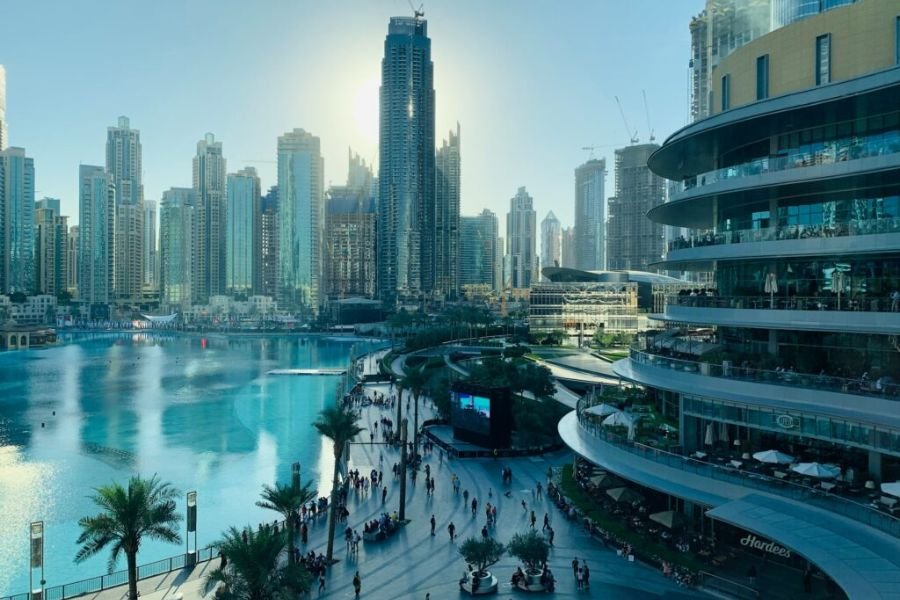
Enhance living in Dubai with AED 500–3,000 monthly on leisure. Gym memberships cost AED 200–500, cinema tickets AED 40–60. Malls, beaches, and parks in neighborhoods in Dubai, like Marina, are free-entry; weekend brunches add excitement at AED 150–300/person.
Community events in JVC or Dubai Hills keep costs low while fostering connections. Balancing leisure maintains quality of life within cost of living in Dubai parameters.
Monthly Cost Of Living In Dubai Overview
This table summarizes realistic 2026 budgets for cost of living in Dubai:
|
Category |
Single (AED) |
Family of 4 (AED) |
|
Rent |
4,000–9,000 |
10,000–18,000 |
|
Utilities |
500–1,000 |
1,000–2,000 |
|
Groceries |
800–1,200 |
3,000–4,000 |
|
Transport |
300–800 |
1,500–3,000 |
|
Other |
500–1,000 |
1,500–3,000 |
|
Total |
8,000–15,000 |
20,000–35,000 |
Singles need a minimum salary of AED 12,000; families AED 20,000+ for comfort.
Selecting Ideal Neighborhoods In Dubai
Match neighborhoods in Dubai to your needs: Dubai Marina for young professionals (vibrant nightlife), Dubai Hills for families (schools, parks), JVC for budgets (affordable rents). Each offers unique perks tailored to living in Dubai.
Why Choose Dubai Packers and Movers
Dubai Packers and Movers streamlines your move with insured packing, transport, and unpacking (AED 1,000–4,500). They navigate neighborhoods in Dubai logistics, reducing cost of living in Dubai disruptions by 20-30% through efficiency.
Practical Tips to Lower Cost Of Living In Dubai
Opt for outer neighborhoods in Dubai to save 20% on rent. Enrol in DEWA Green for cost of electricity in Dubai rebates. Bulk-buy groceries, use public transport, and negotiate annual leases. Apps track expenses for optimised living in Dubai.
FAQ
How much initial cost to settle in the UAE?
AED 10,000–60,000 covers deposits, visas, and moving.
Average cost of living in Dubai for singles?
AED 8,000–15,000 monthly, excluding luxuries.
Cheapest neighborhoods in Dubai for rent?
JVC, Arjan: studios from AED 40,000/year.
Typical cost of electricity in Dubai?
AED 800–2,000/month for families, AC-heavy.
Is living in Dubai affordable for families?
Yes, AED 20,000–35,000/month provides comfort.
Benefits of Dubai Packers and Movers?
Full-service relocation minimises stress and costs.
The cost of living in Dubai offers excellent value at AED 8,000–35,000/month. Choose smart neighborhoods in Dubai, manage cost of electricity in Dubai, and thrive in living in Dubai. Contact Dubai Packers and Movers for your hassle-free move today.