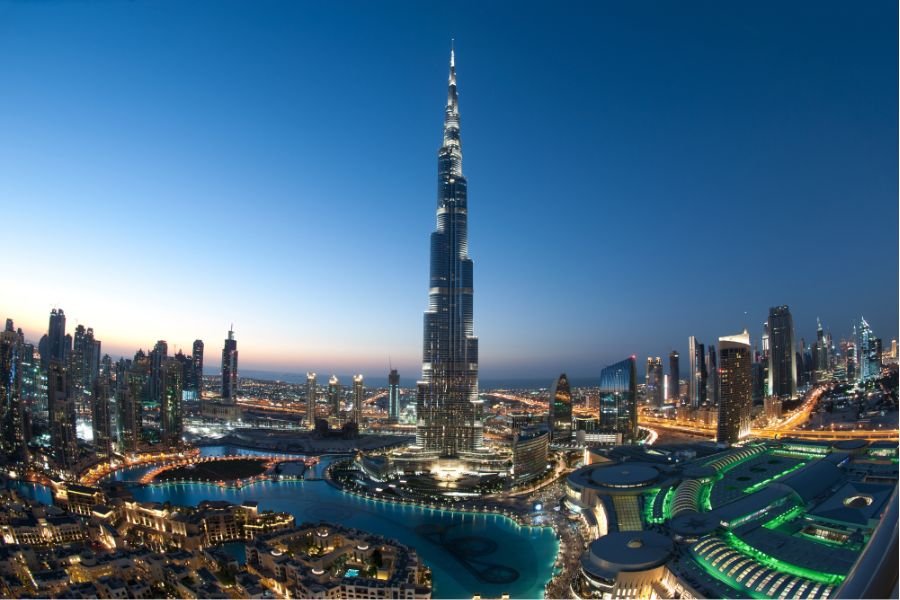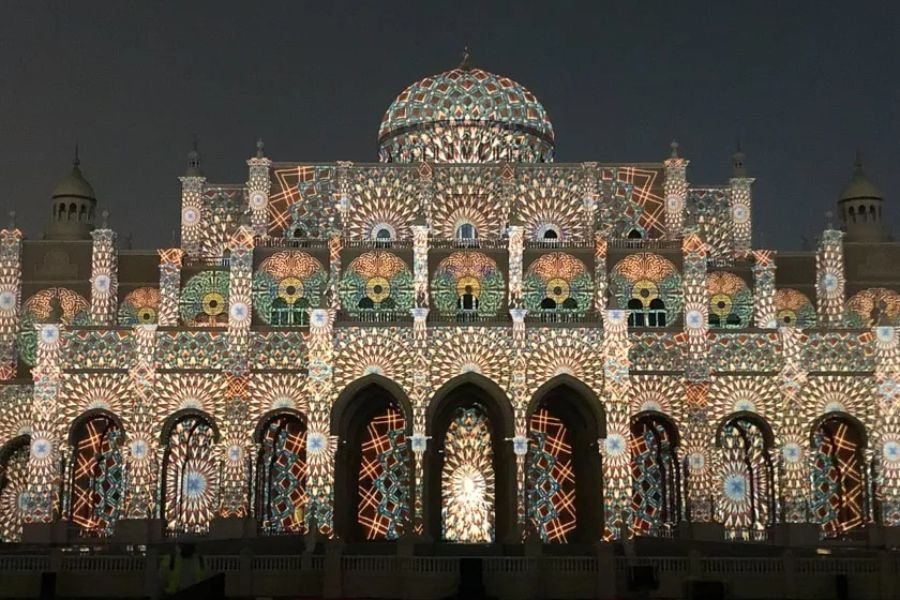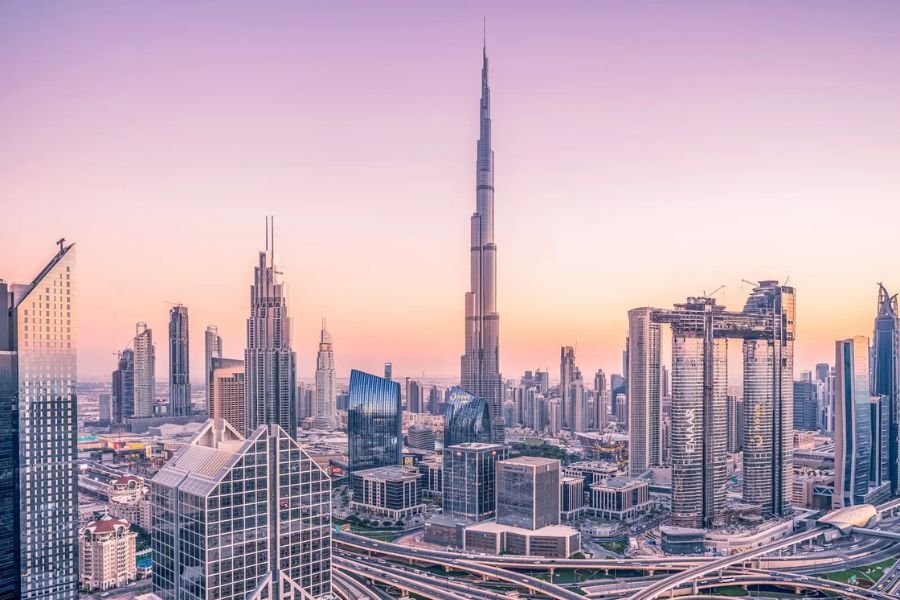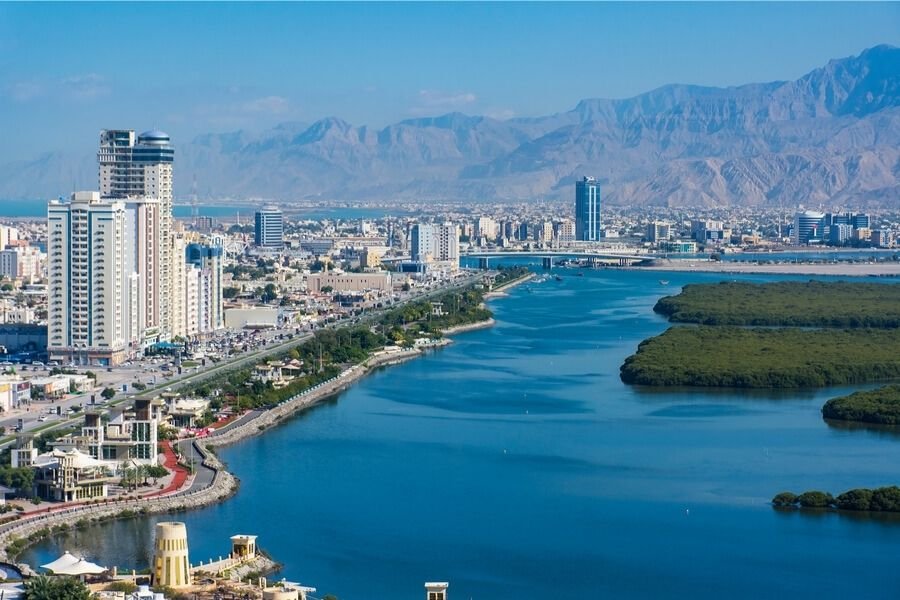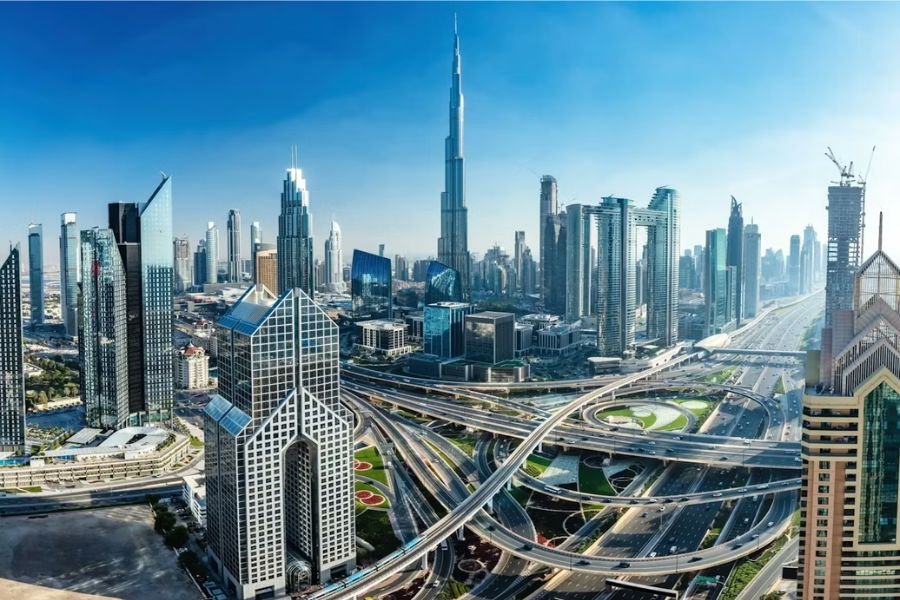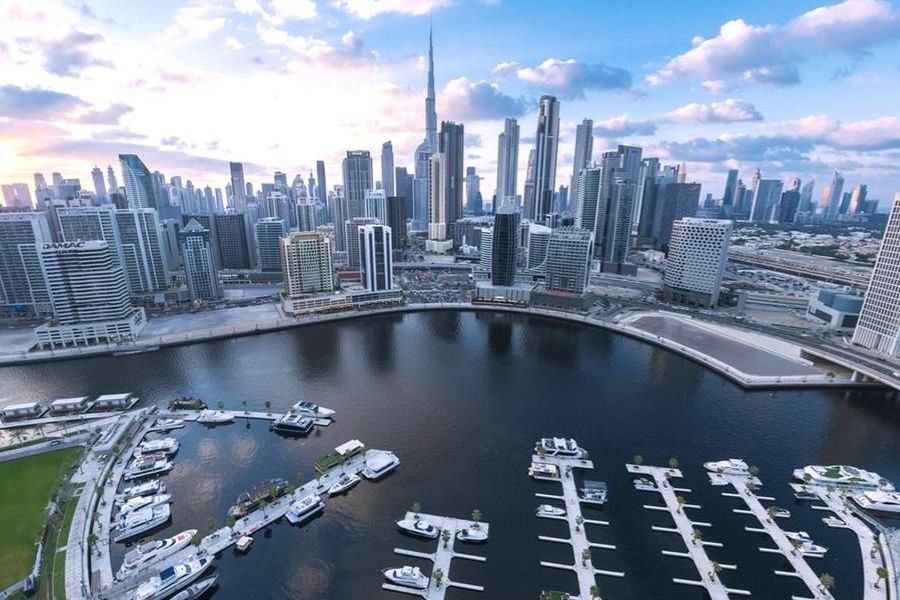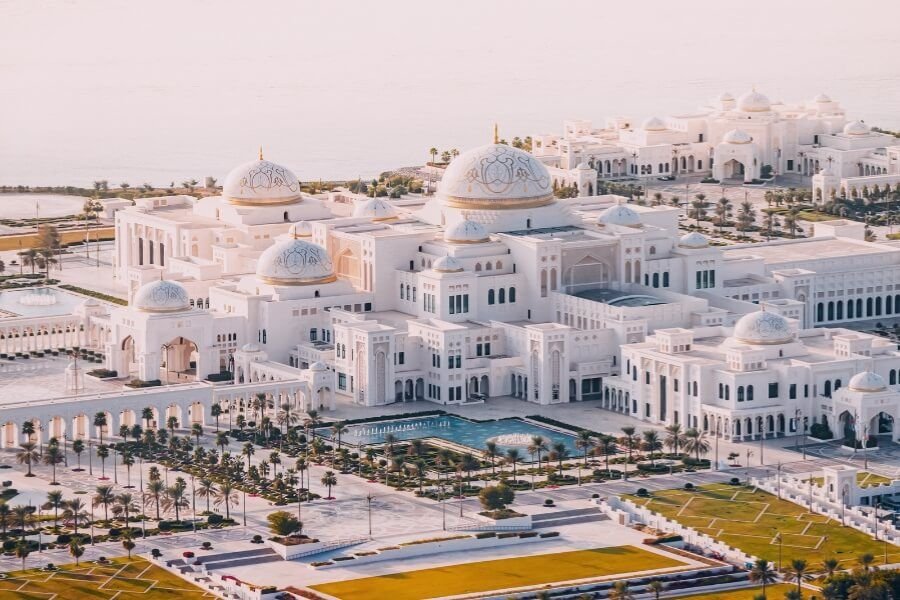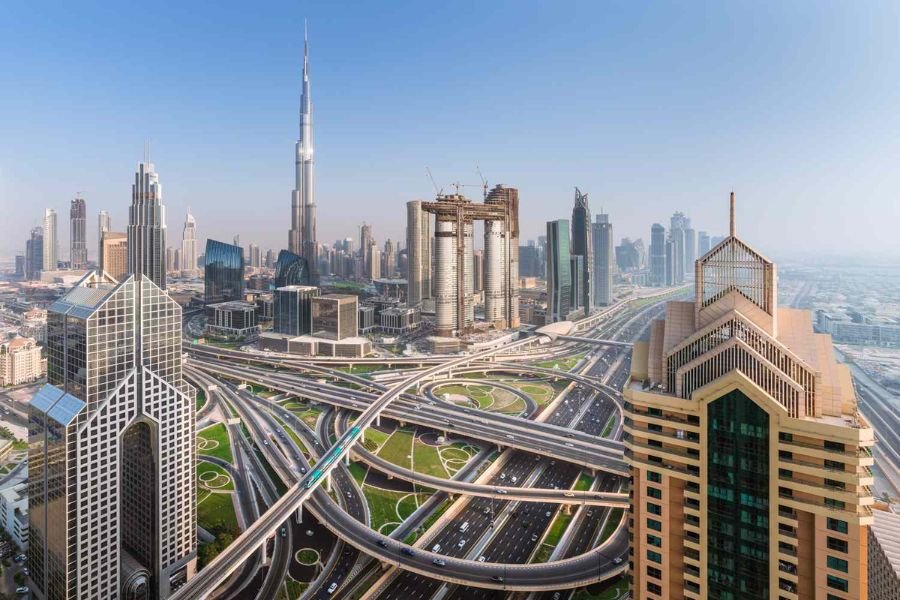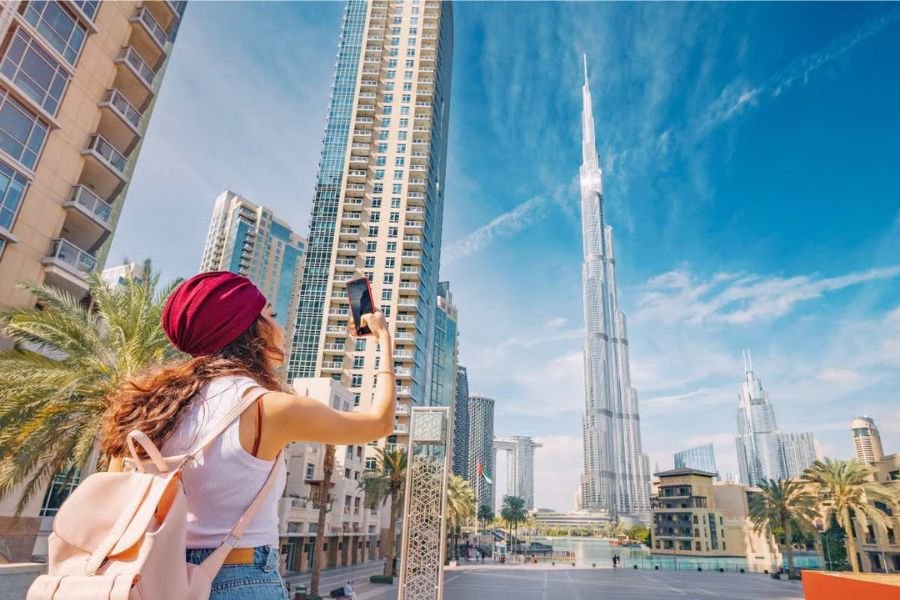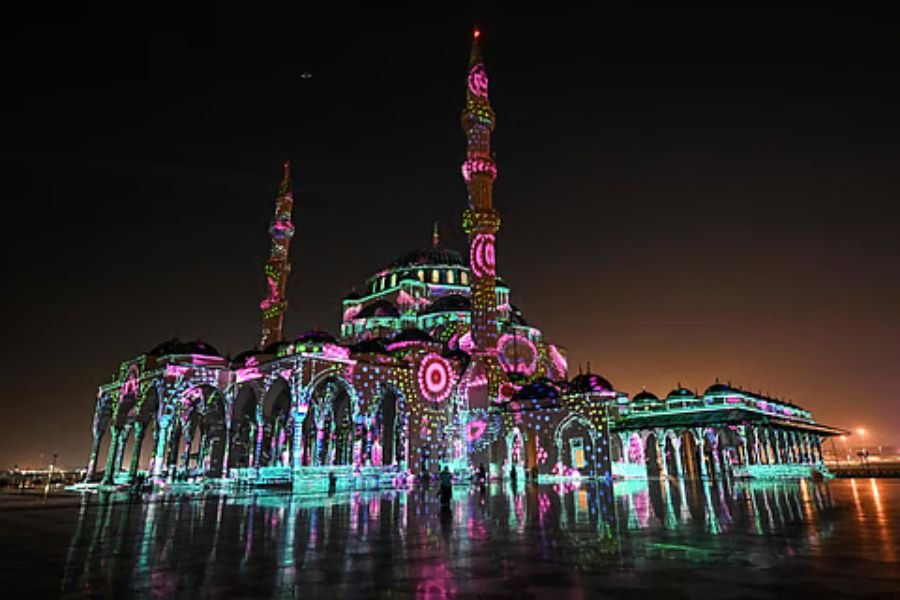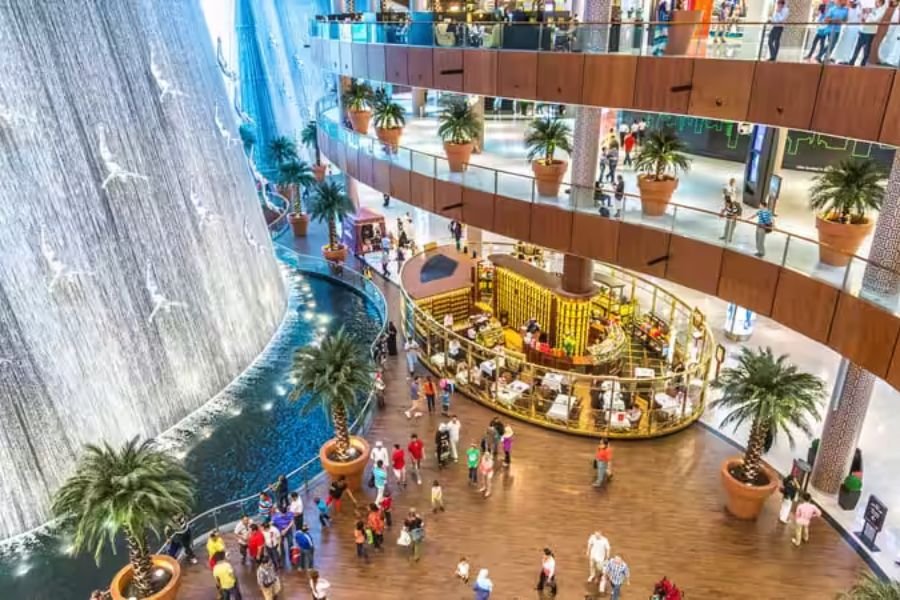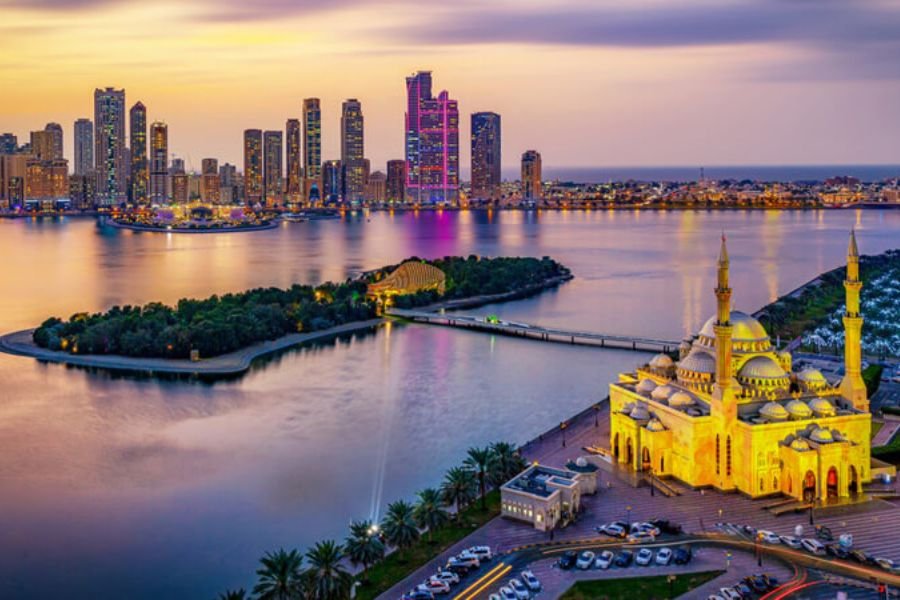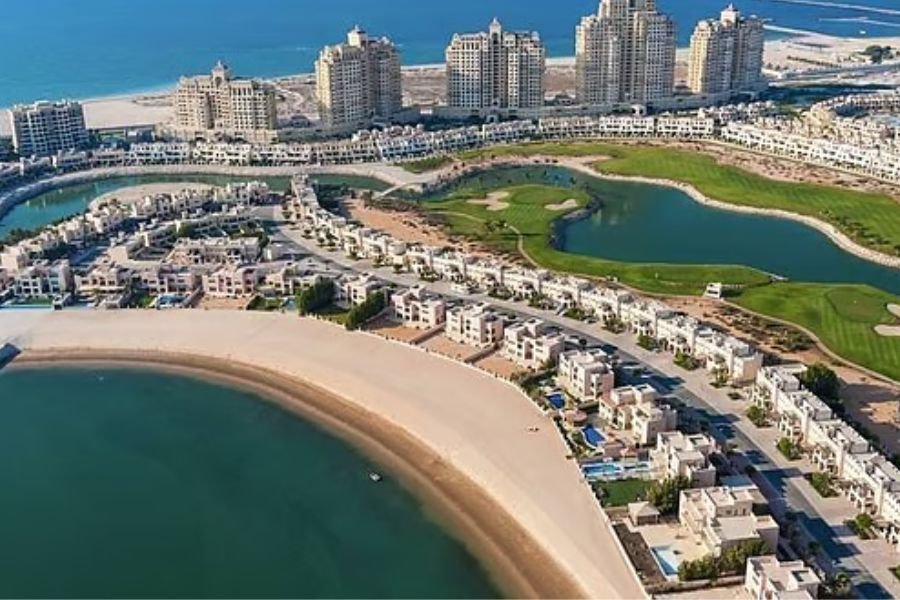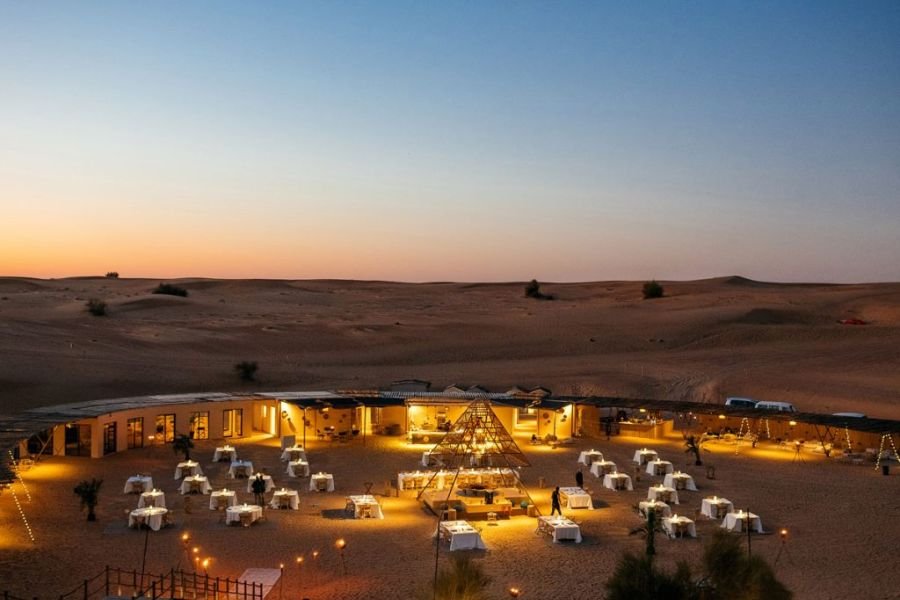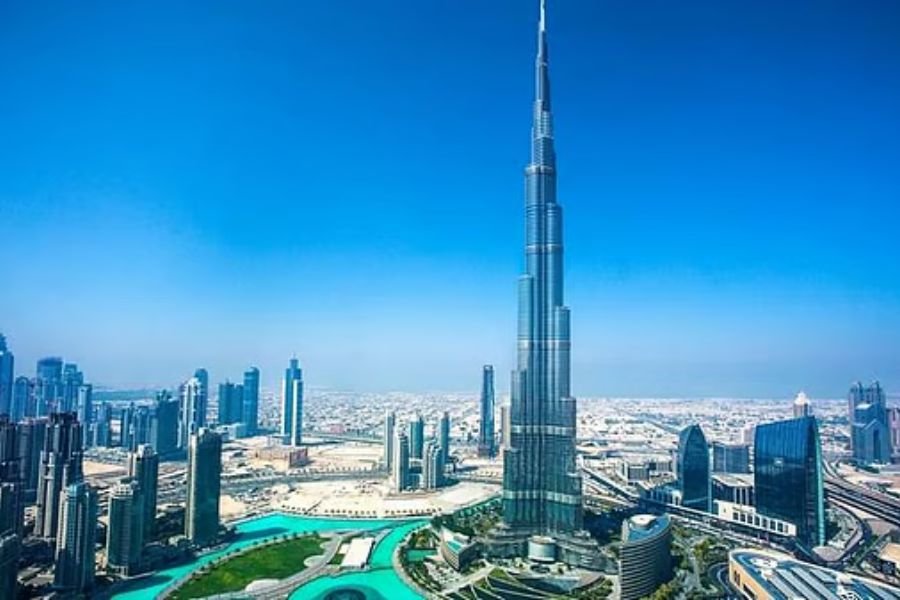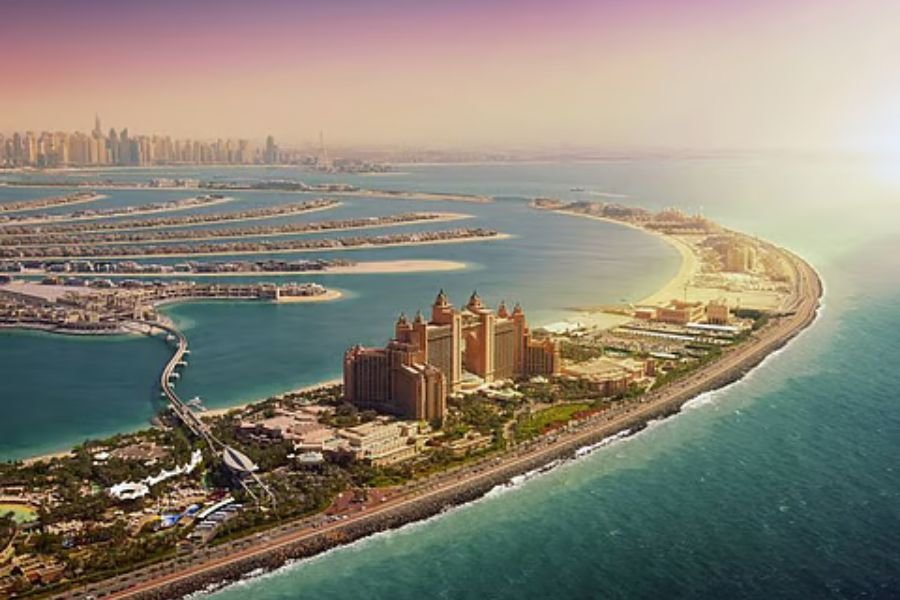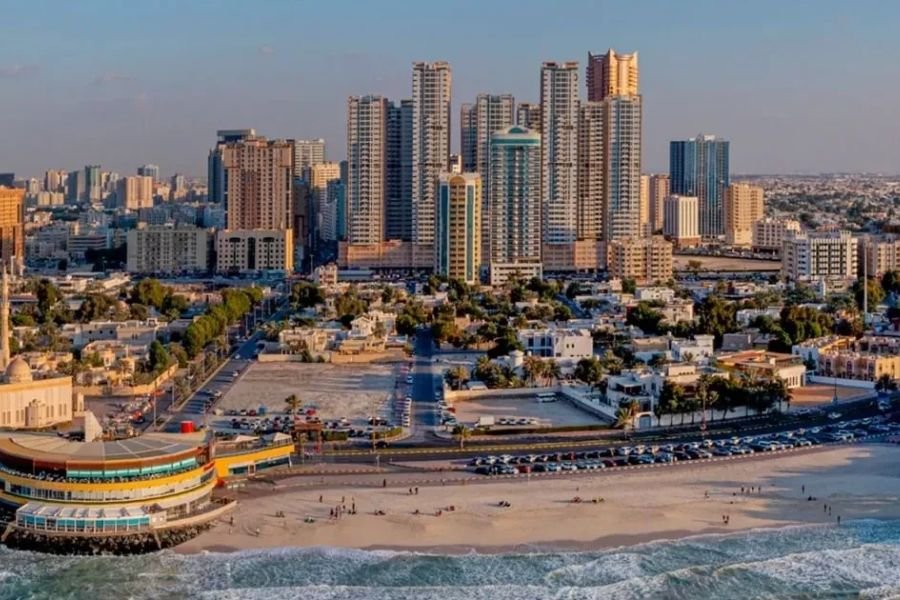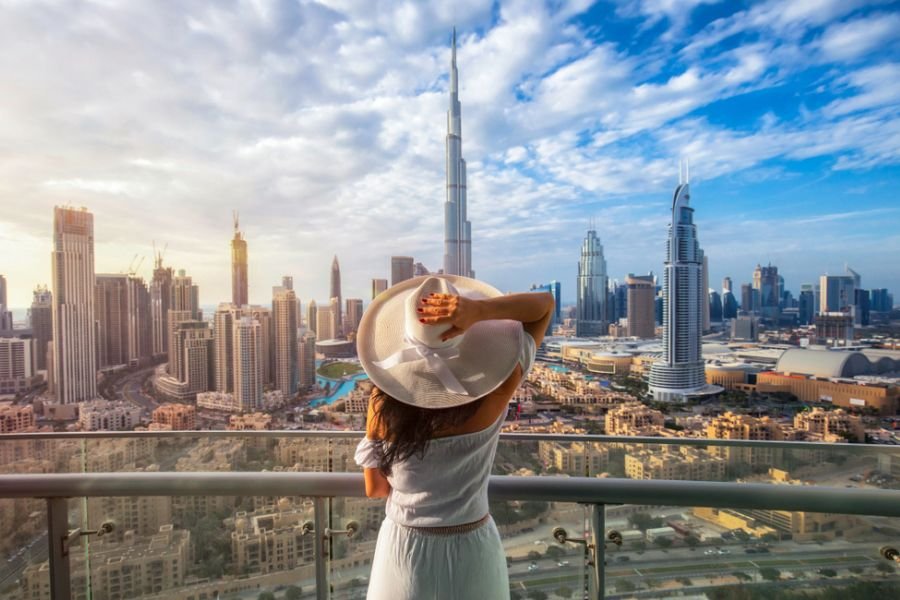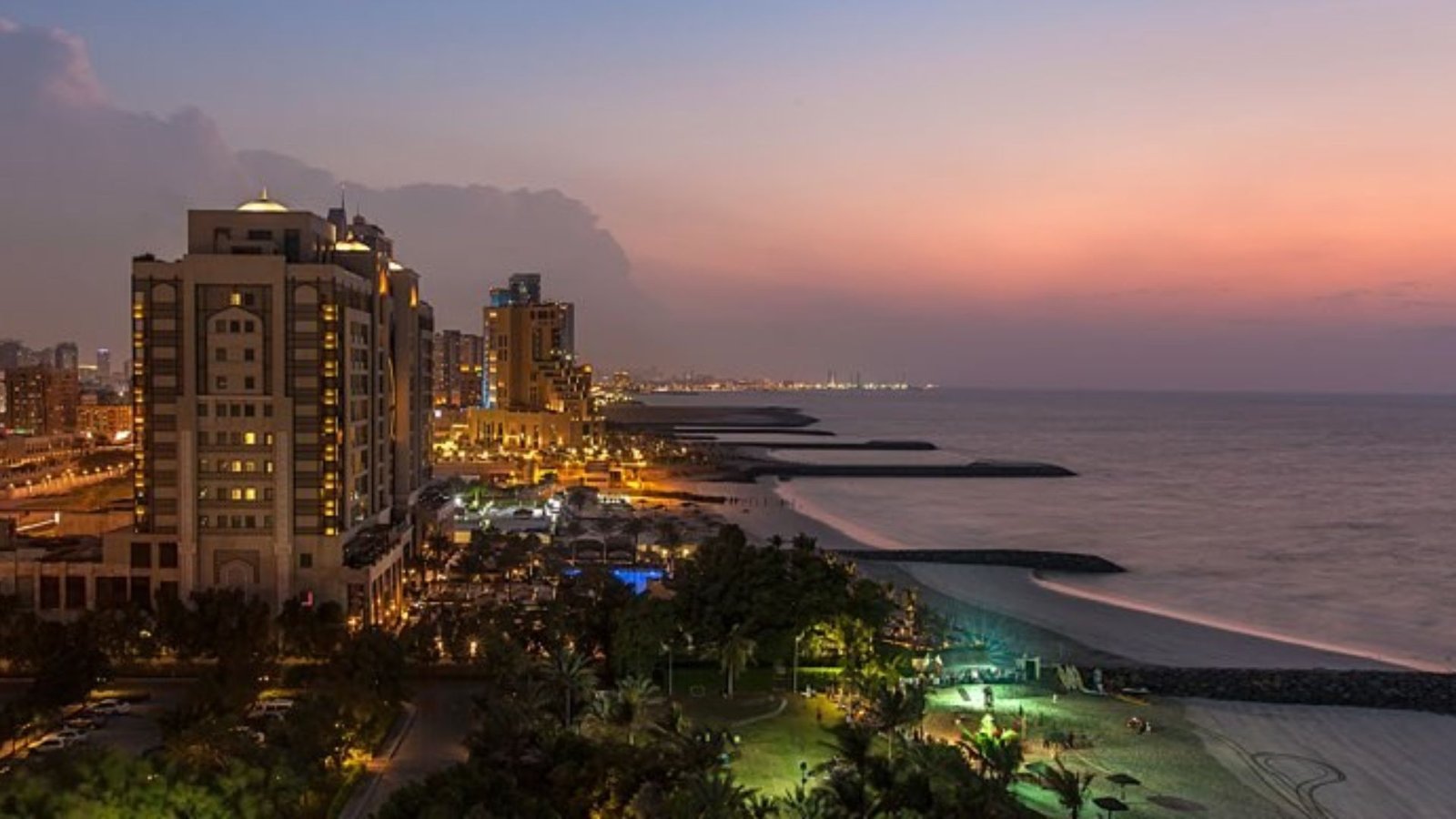
The UAE Cultural Heritage captivates with its seamless blend of Bedouin roots and modern sophistication, offering a rich tapestry of UAE culture that honours the past while embracing progress. From communal feasts symbolising hospitality to rhythmic folk dances celebrating unity, the United Arab Emirates culture reflects values of family, faith, and resilience shaped by desert life. Engaging with traditional UAE practices not only deepens appreciation but supports well-being. Shared meals foster social bonds, reducing isolation, while modest attire protects against harsh sun exposure.
For newcomers immersing in this heritage, Dubai Packers and Movers facilitates smooth relocations, helping you settle amid cultural festivals.
The Bedouin Roots of UAE Culture and Heritage
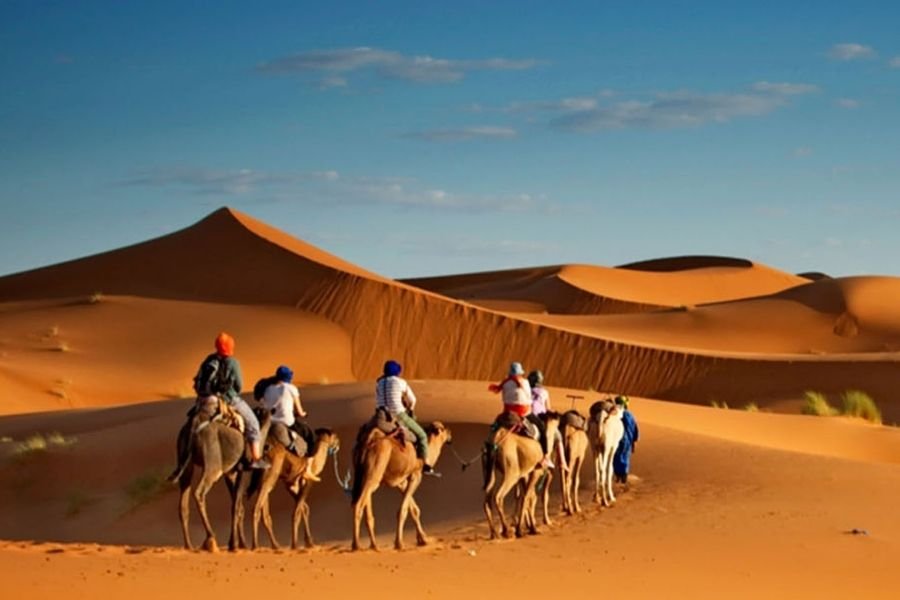
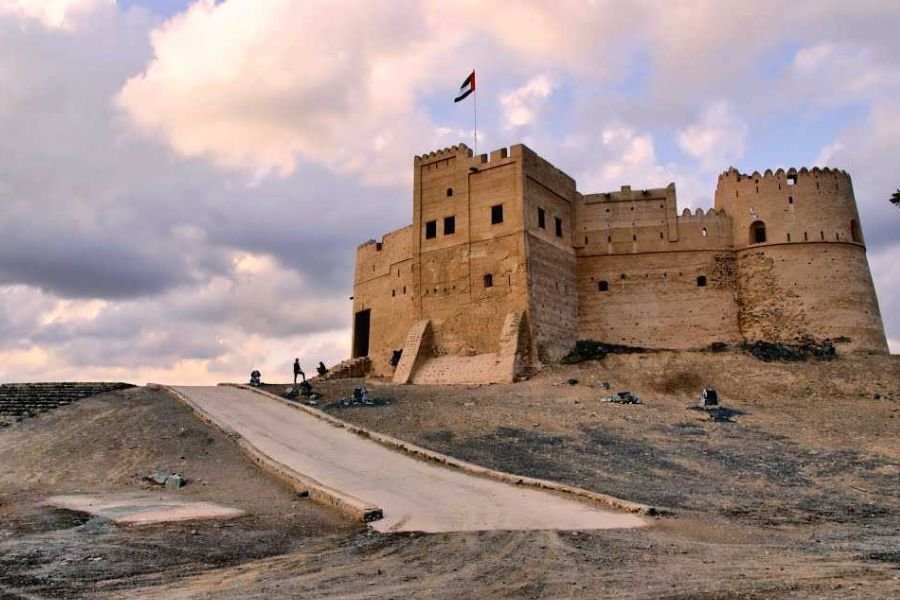
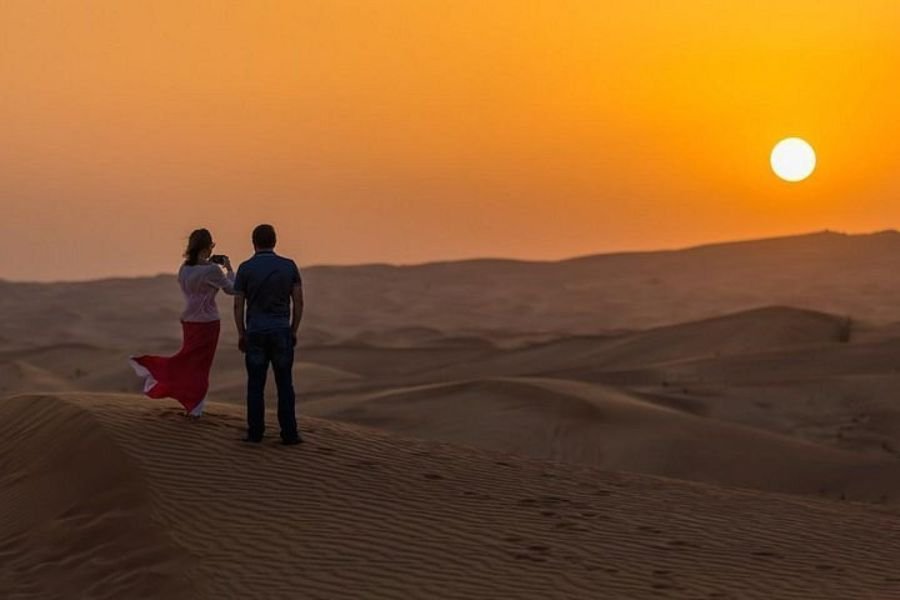
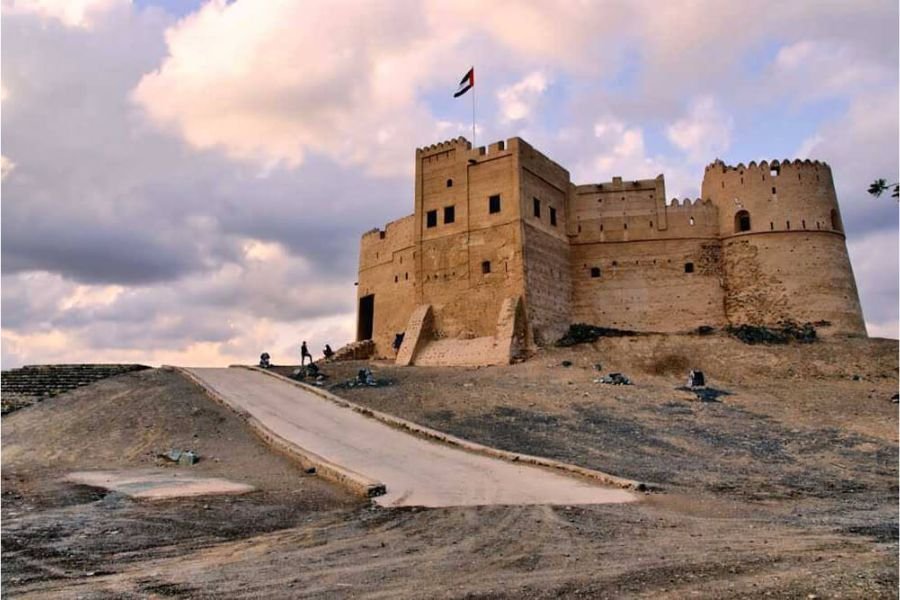
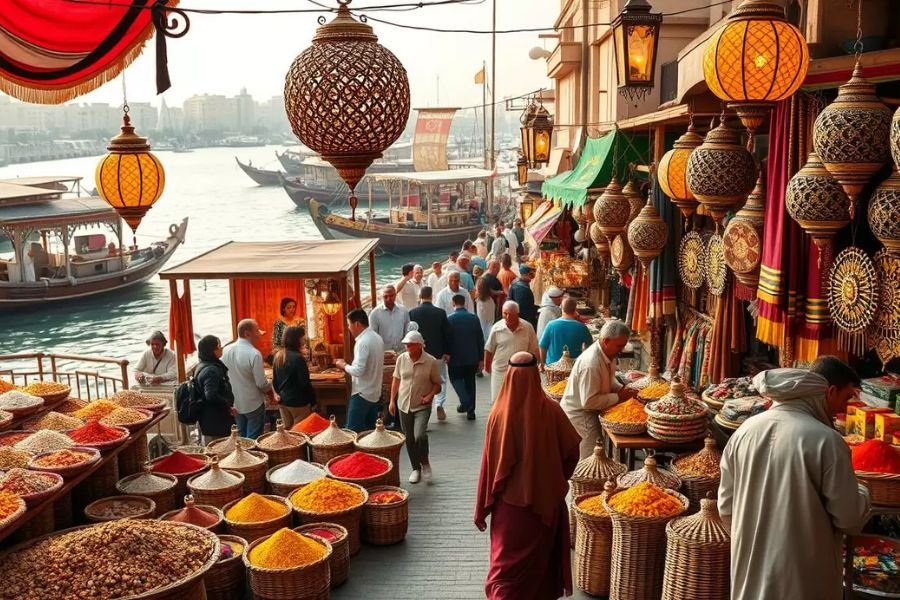
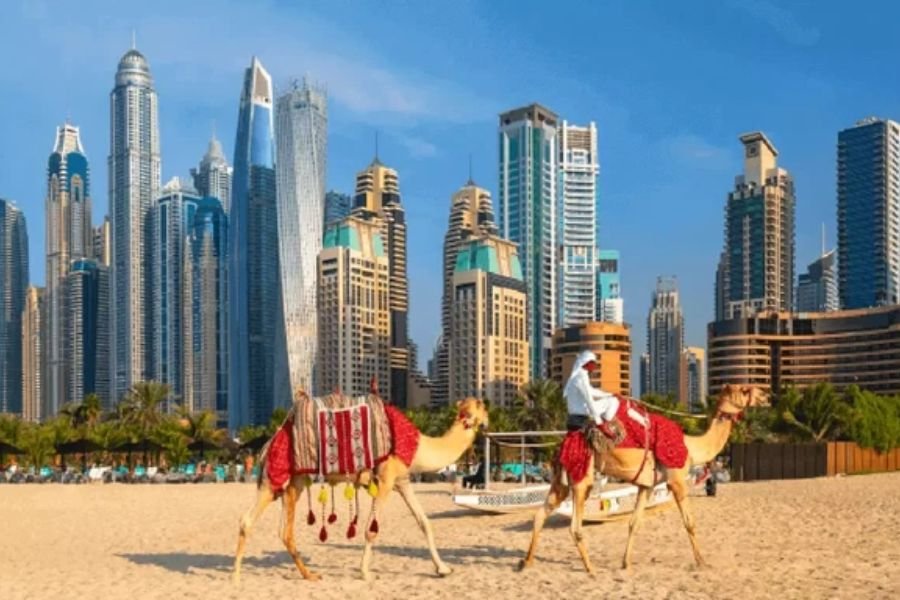
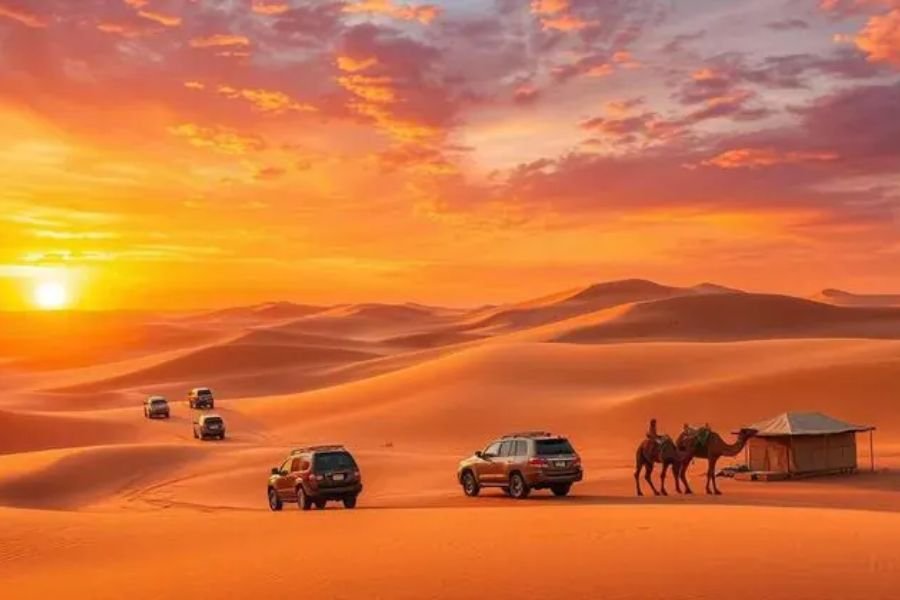
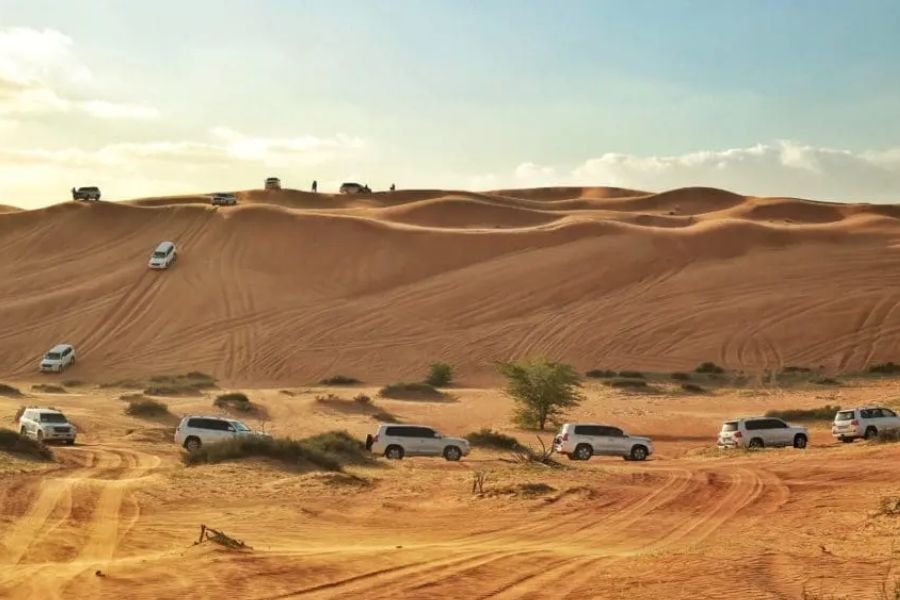
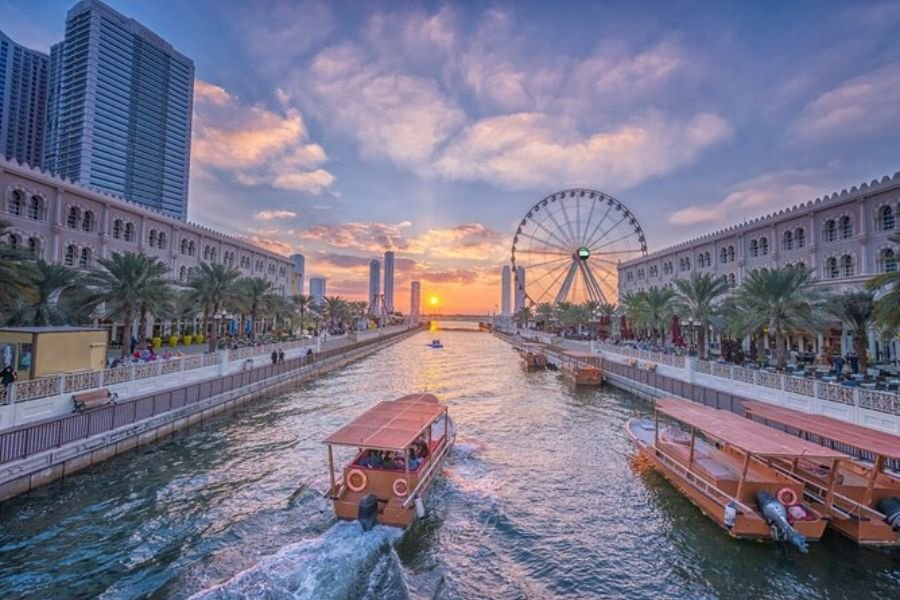
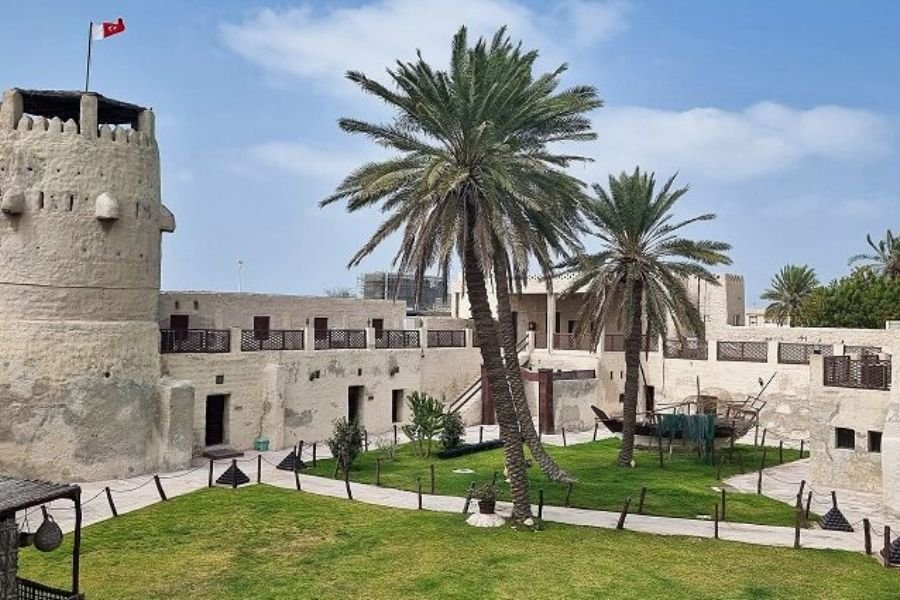
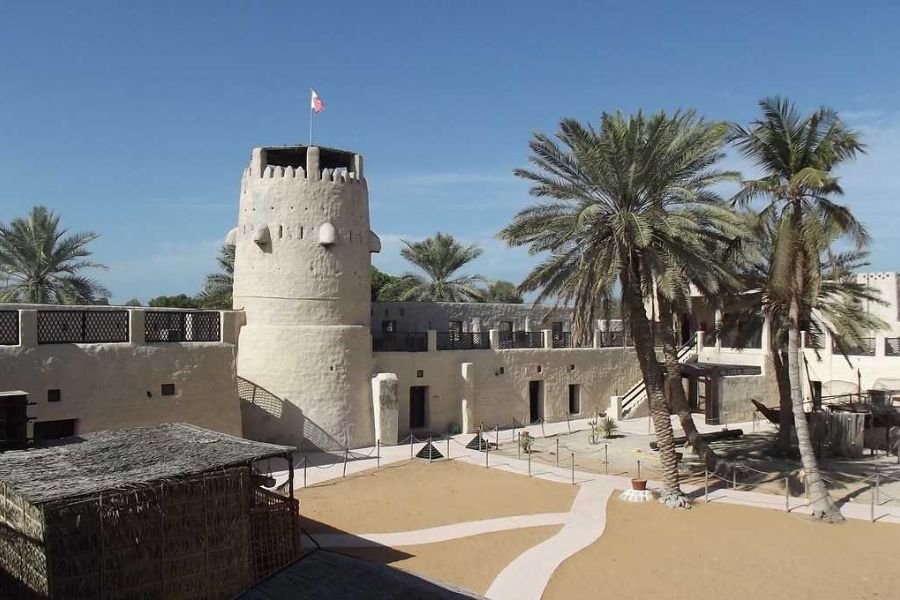
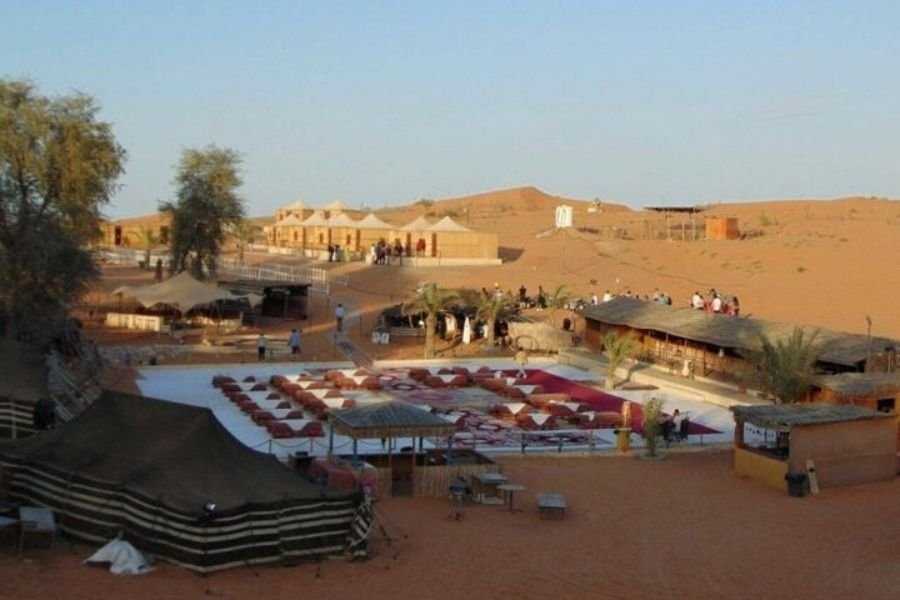
UAE Cultural Heritage traces to nomadic Bedouin tribes navigating Arabian deserts, where survival fostered hospitality and communal support. Camel herding, pearl diving, and date palm cultivation defined daily life, instilling resourcefulness. Today, these roots manifest in preserved souks and restored forts across emirates.
Family remains central, multi-generational homes promote elder respect, linked to lower stress hormones per wellness studies. Traditional UAE values emphasise generosity, evident in offering coffee to strangers.
Iconic Traditional Dress of United Arab Emirates
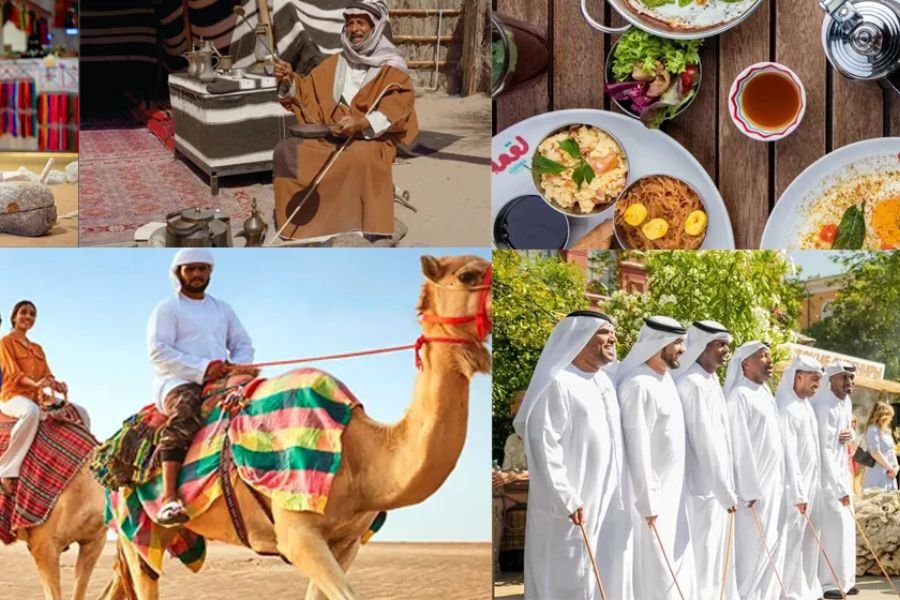
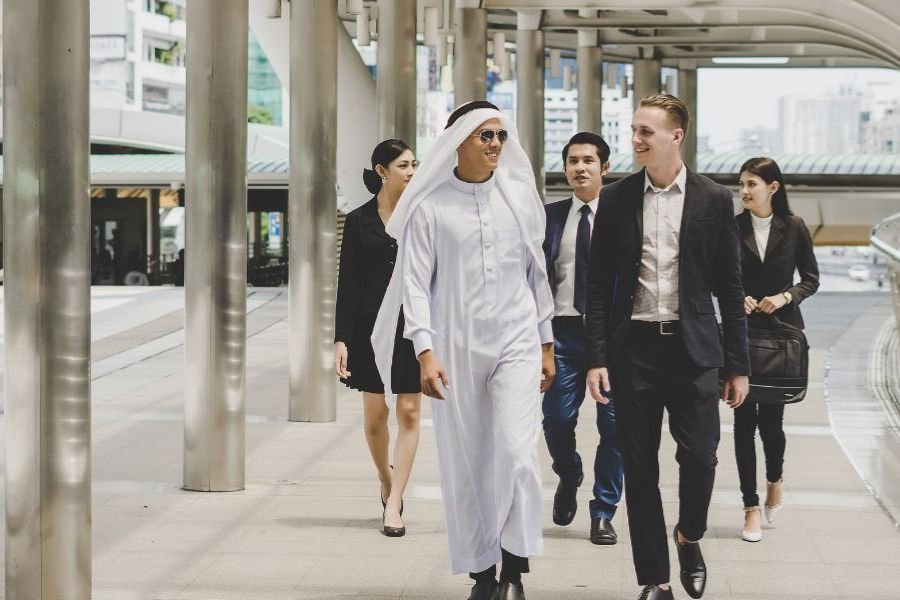
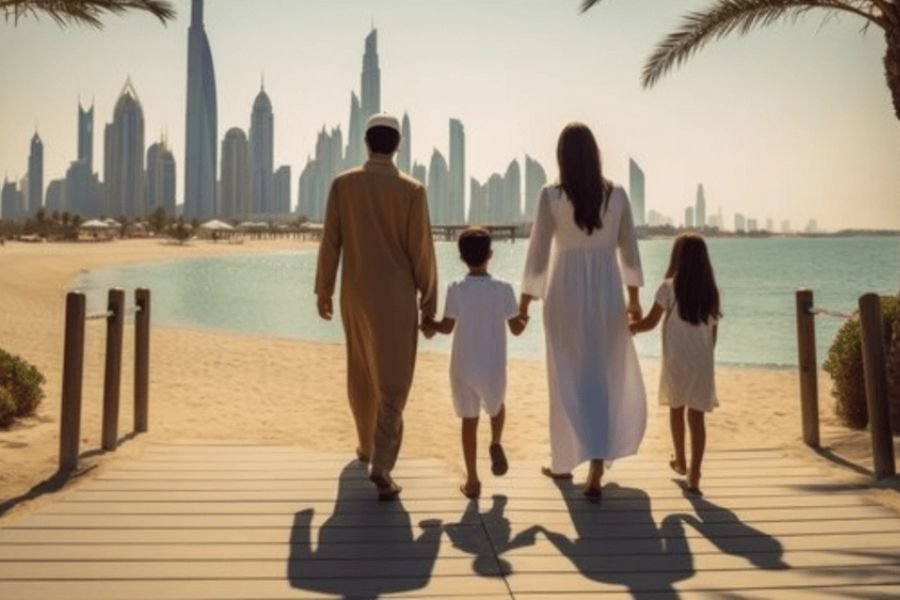
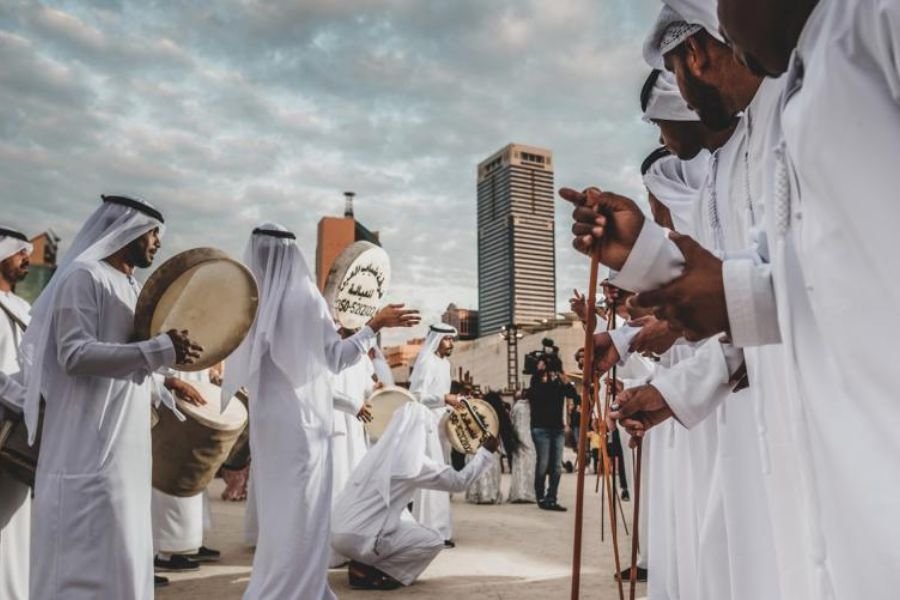
Traditional dress in Dubai and beyond embodies modesty, identity, and climate adaptation. Men don the crisp white kandura (or dishdasha), ankle-length for airflow, paired with a red-white ghutra headscarf secured by agal cord, practical against sandstorms. Women wear a flowing black abaya over modest attire, often with a shayla headscarf, shielding from intense UV rays crucial for skin health.
Regional Variations
Ras Al Khaimah favours embroidered bisht cloaks for men; Abu Dhabi women adorn jalabiya with intricate dohan embroidery. Gold jewellery signifies prosperity, worn during weddings. Modern Emiratis mix traditional dress of United Arab Emirates with western fashion daily, reserving full regalia for Eid and National Day.
This attire supports thermoregulation, loose fabrics promote sweat evaporation, preventing heat exhaustion in 40°C+ summers.
Flavours of Traditional Food in United Arab Emirates
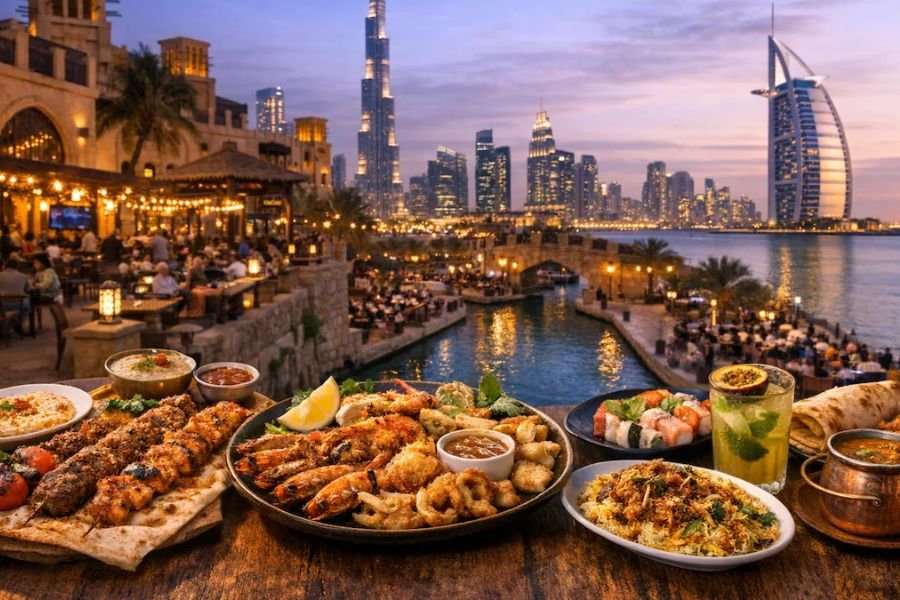
Traditional food in the United Arab Emirates centres hospitality, with meals shared on floor mats symbolising equality. Dates, coffee, and camel milk sustained Bedouins; today, they anchor feasts.
Signature Dishes
Harees, slow-cooked wheat and meat, nourish during Ramadan, rich in fibre for sustained energy. Luqaimat dumplings drizzled in date syrup provide quick glucose, balanced by sesame antioxidants. Machboos spiced rice with lamb/seafood offers complete proteins; thareed bread stew hydrates via broth.
Health Benefits
UAE culture cuisine favours whole foods, dates combat fatigue with potassium, and camel milk's low lactose suits digestion. Moderation key: High ghee use calls for portion control to manage cholesterol.
Festivals amplify flavours: Eid features ma'amoul cookies; weddings serve al harees mountains.
Vibrant Folk Dances of the United Arab Emirates Culture
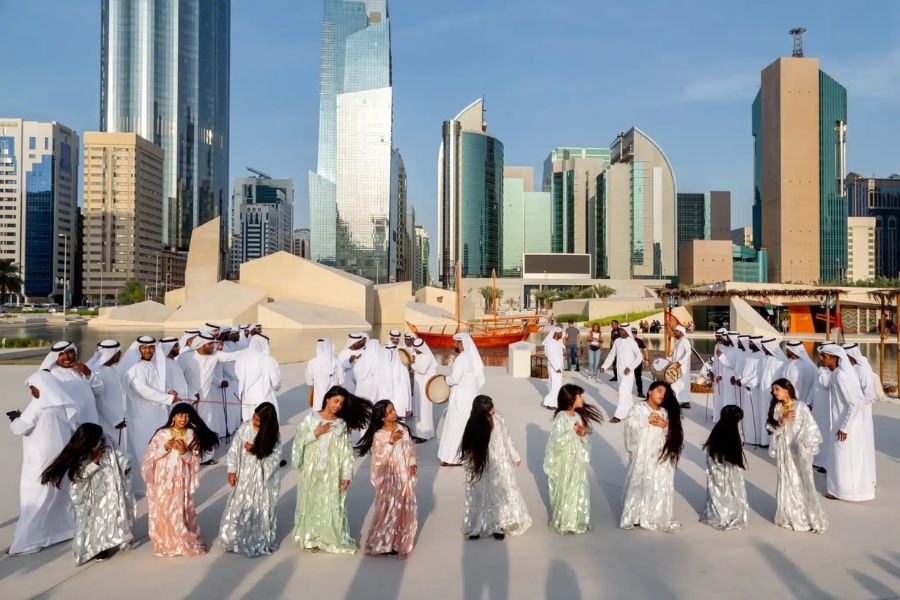
UAE Cultural Heritage dances unite communities, rhythmic expressions of valour and joy performed at weddings and holidays.
Al Ayyala: The Sword Dance
Men in rows sway with canes mimicking camel sticks, symbolising Bedouin raids—drums evoke heartbeat unity. Builds coordination and endorphins from synchronised movement.
Yowla: Rifle Twirl
Performers spin canes/rifles, showcasing agility, celebrating manhood. Festivals like Sheikh Zayed Heritage draw crowds.
Music features tabl drum, rababa strings, and live sessions reduce anxiety via communal rhythm.
Core Traditions Shaping the Traditional UAE
Hospitality and Coffee Rituals
UAE culture and heritage mandate offering gahwa cardamom coffee in finjan cups, three sips signal satisfaction. Refusal offends; acceptance builds trust.
Family and Social Bonds
Weddings span days with zaffa processions and henna nights. Multi-wife norms are rare; divorce is culturally discouraged. Children learn respect through majlis gatherings.
Religious Observances
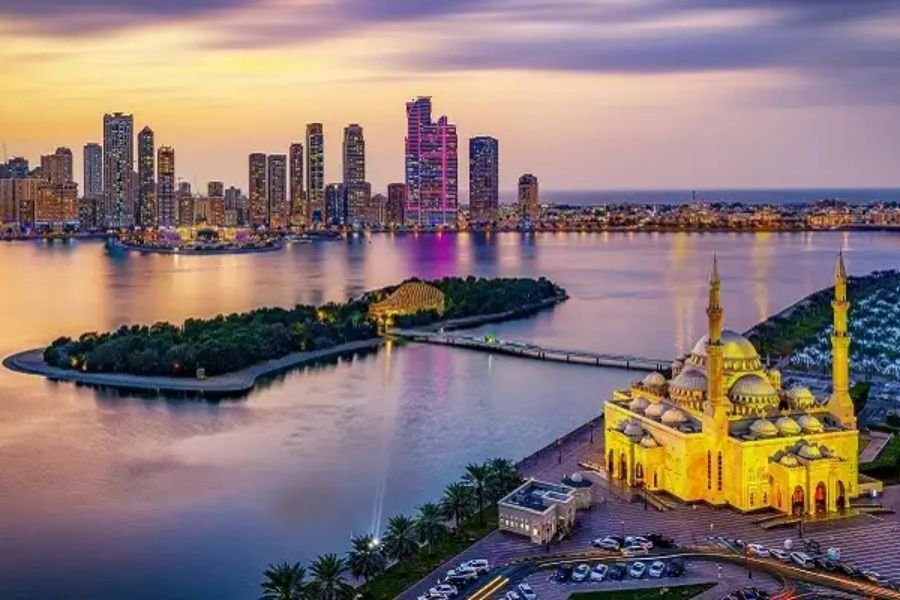
Islam guides the United Arab Emirates culture, with five daily prayers and Friday Jumu'ah. Ramadan iftars unite fasting faithful, boosting empathy.
Festivals Preserving UAE Cultural Heritage
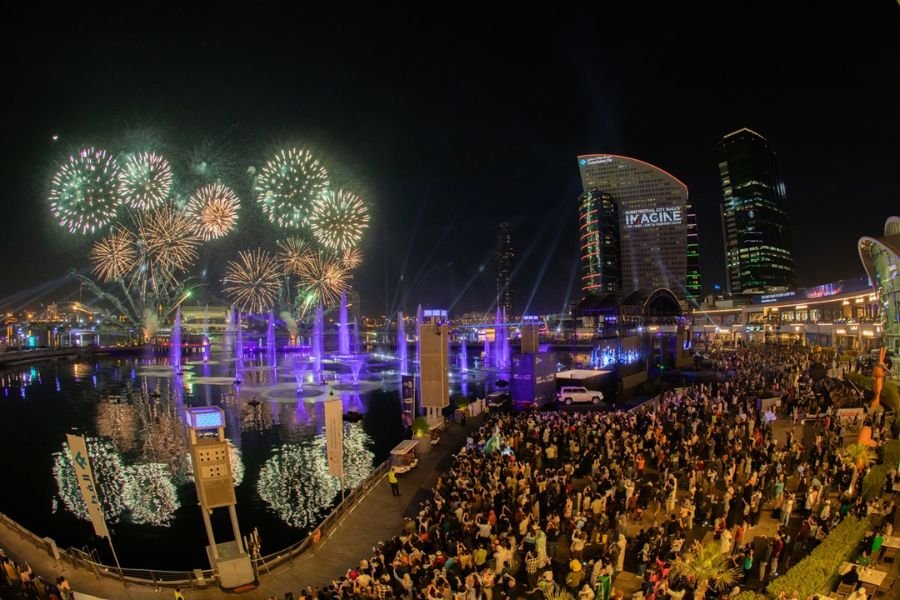
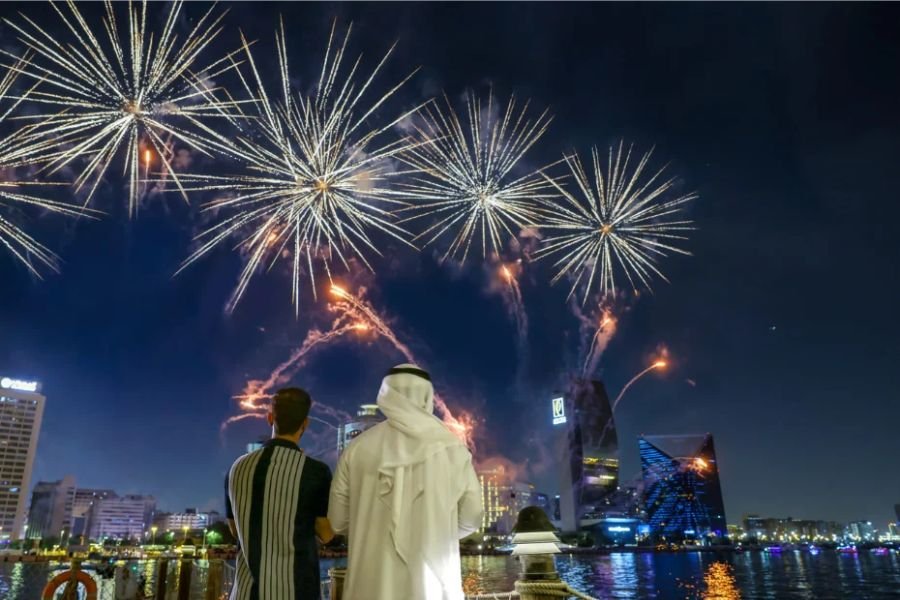
Qasr Al Hosn Festival revives crafts; Sheikh Zayed Heritage Festival showcases 20+ nationalities' traditions. National Day (December 2) features fireworks, Al Ayyala. These events promote mental health via cultural immersion.
Modern Evolution of UAE Culture
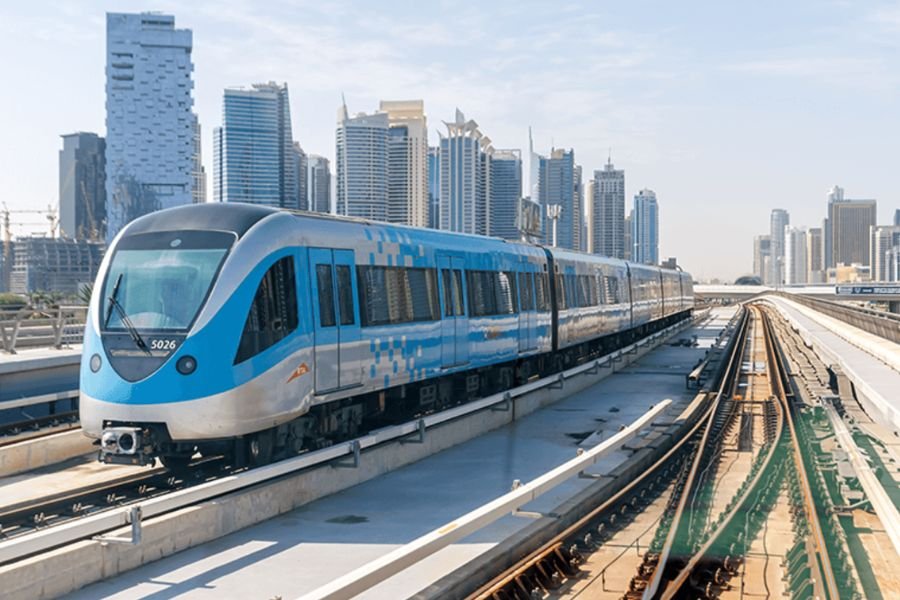
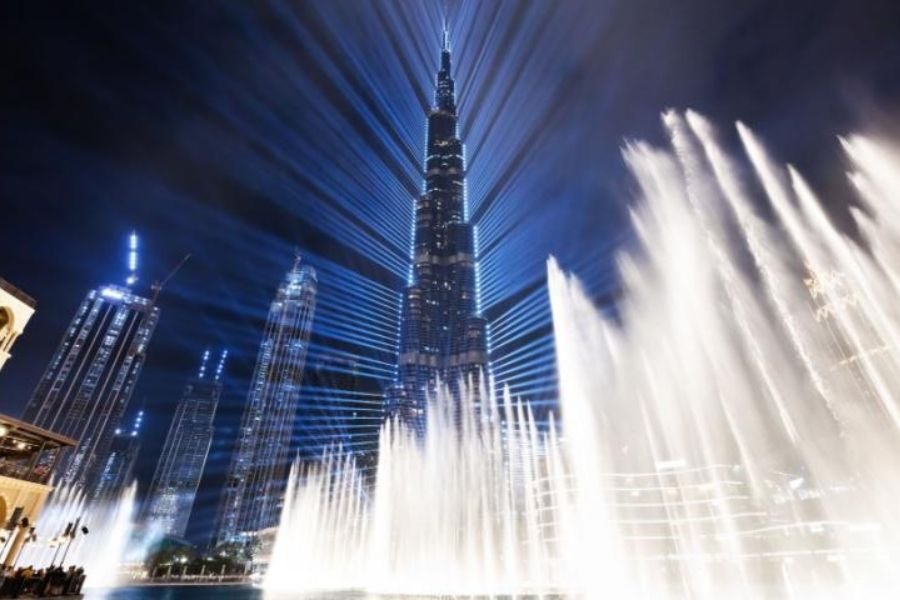
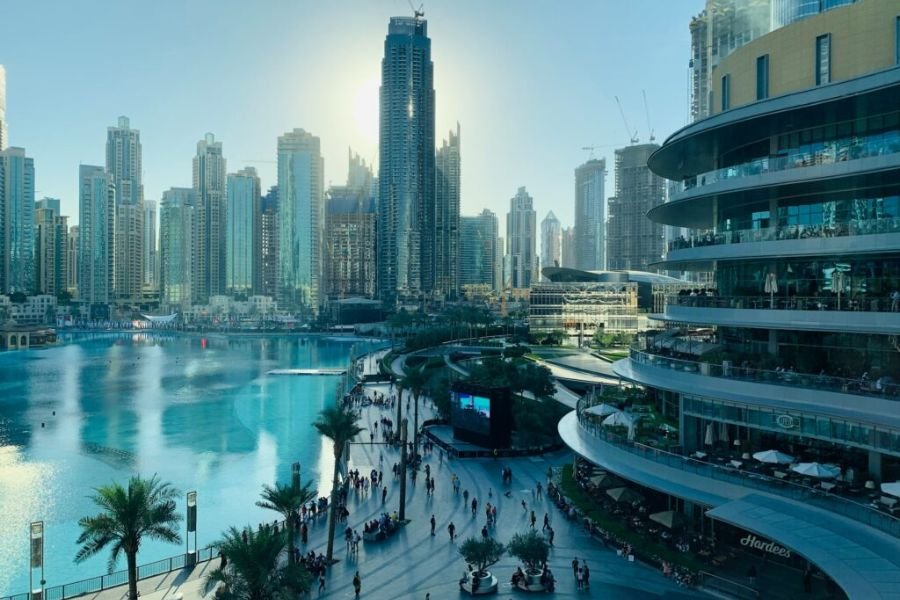
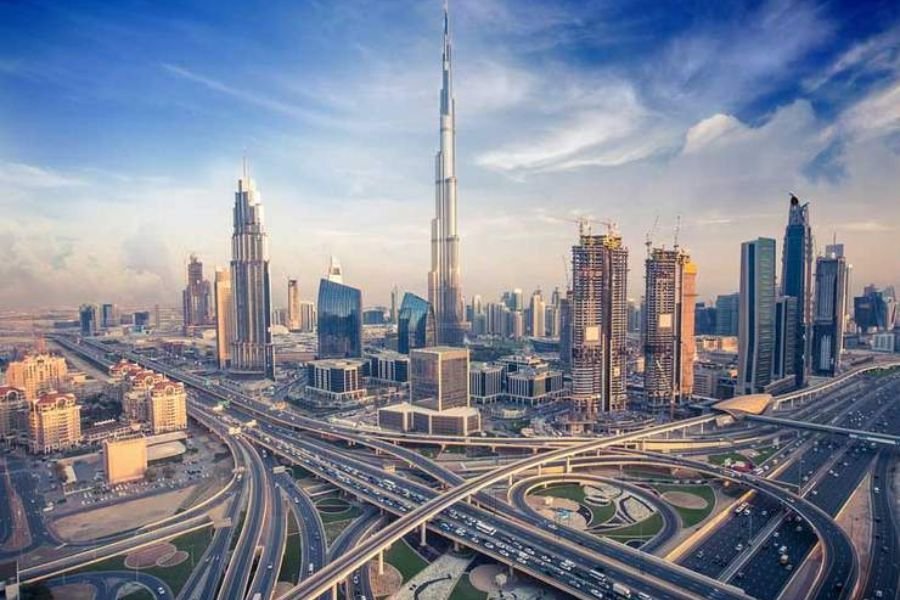
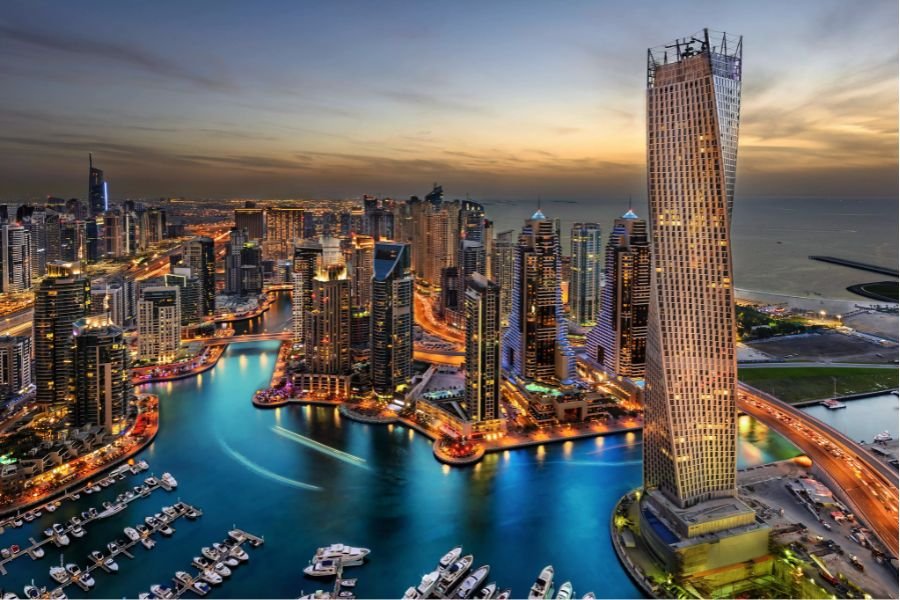
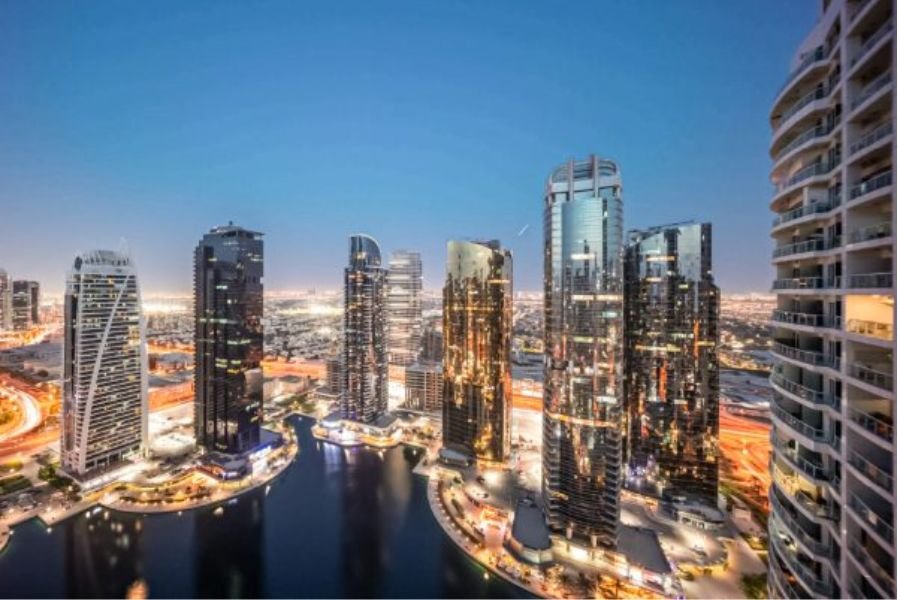
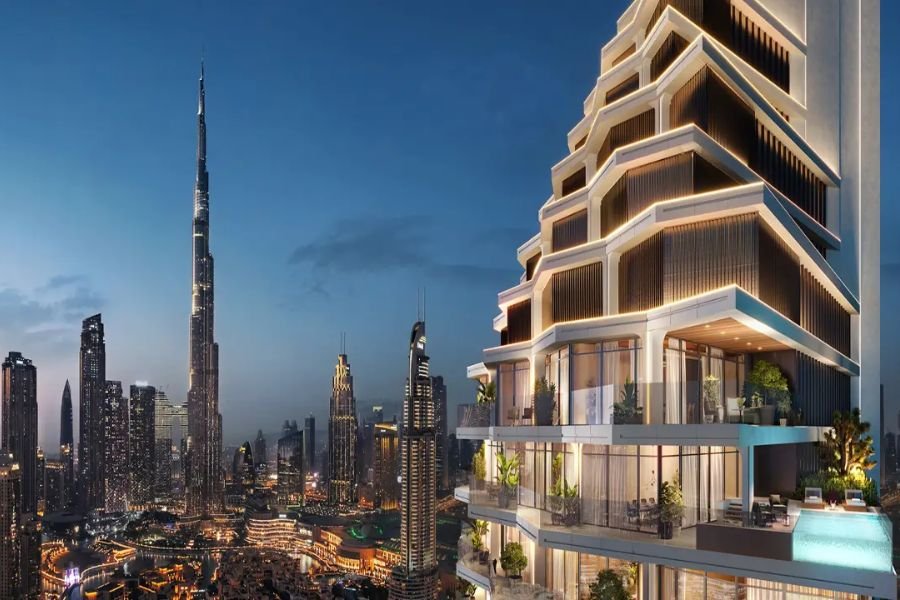
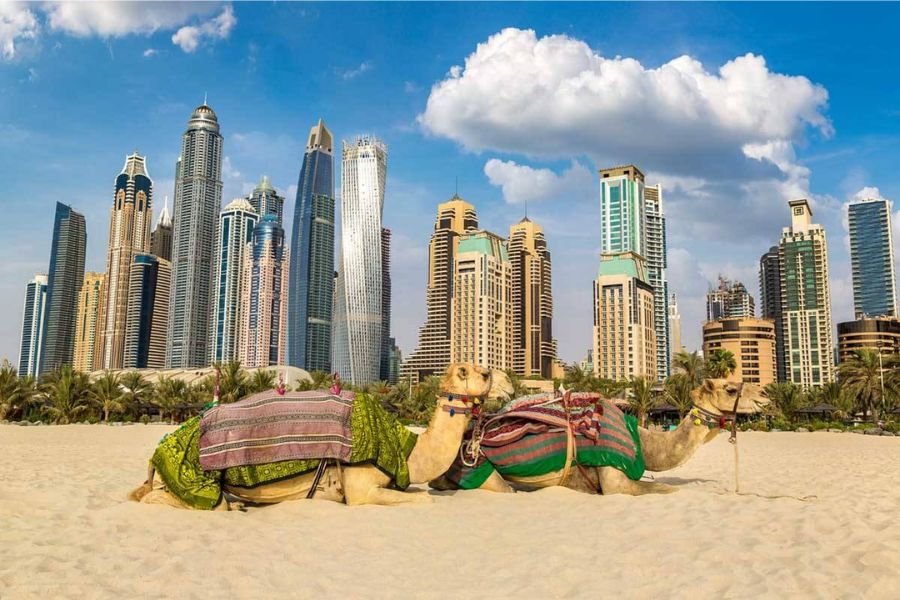
Globalisation introduces fusion, traditional dress Dubai at malls, and traditional food in United Arab Emirates food trucks. Government museums like Qasr Al Hosn safeguard artefacts. Expat diversity (88% population) enriches, while Emiratis maintain their core identity.
Wellness angle: Cultural participation counters expat loneliness; join a majlis for social support networks.
Crafts and Arts in the Traditional UAE
Sadhu silverwork, telli camel hair weaving adorn homes. Pottery like Hib water coolers persists. Falconry, UNESCO-listed, bonds man-nature.
Welcoming Expats into UAE Culture and Heritage
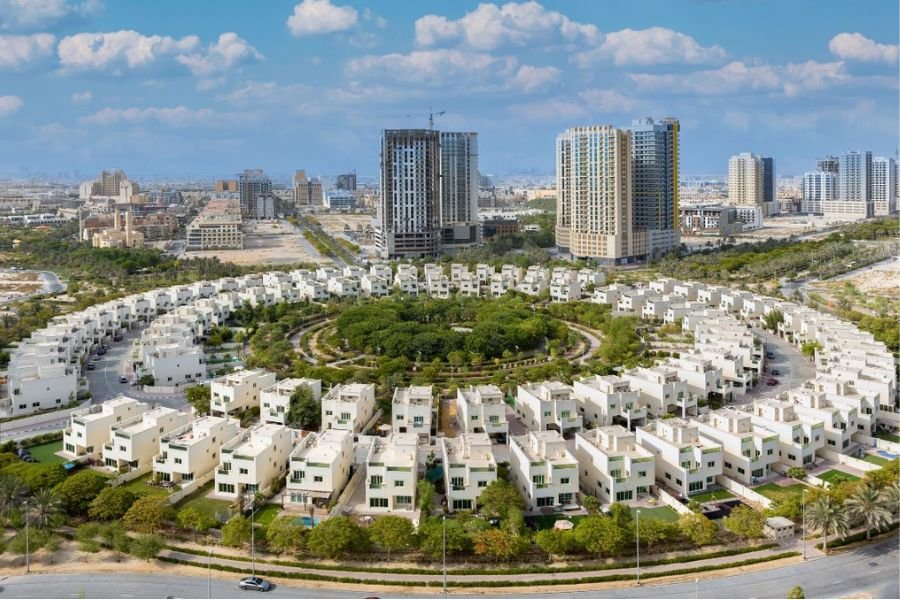
Dubai Packers and Movers eases integration, unpack amid souk visits, settling into heritage-rich neighbourhoods like Al Fahidi.
Health Wisdom from the United Arab Emirates Culture
Traditional food in the United Arab Emirates emphasises balance, and dates pre-meals curb overeating. Dances provide cardio; modest dress prevents sunburn. Hospitality rituals encourage mindful pauses.
FAQ
What defines UAE Cultural Heritage?
Bedouin traditions of hospitality, Islamic values, and folk arts blend past resilience with modern pride.
Key elements of UAE culture cuisine?
Harees, luqaimat, and machboos, nutrient-dense dishes fostering community during feasts.
Describe the traditional dress of the United Arab Emirates.
Men: kandura, ghutra; women: abaya, shayla, modest, climate-smart attire.
Famous dances in the United Arab Emirates culture?
Al Ayyala (sword), Yowla (rifle), rhythmic celebrations of unity and valour.
How does the traditional UAE preserve its heritage?
Festivals, museums, and daily rituals amid globalisation.
Role of Dubai Packers and Movers in cultural immersion?
Seamless relocations let you dive into souks and majlis without moving stress.
Embrace the Timeless UAE Cultural Heritage
UAE culture and heritage weaves tradition with progress, inviting all to partake in its warmth. From traditional dress, Dubai elegance to flavorful feasts, it nurtures body and spirit.
Relocating to experience it? Contact Dubai Packers and Movers for effortless beginnings.