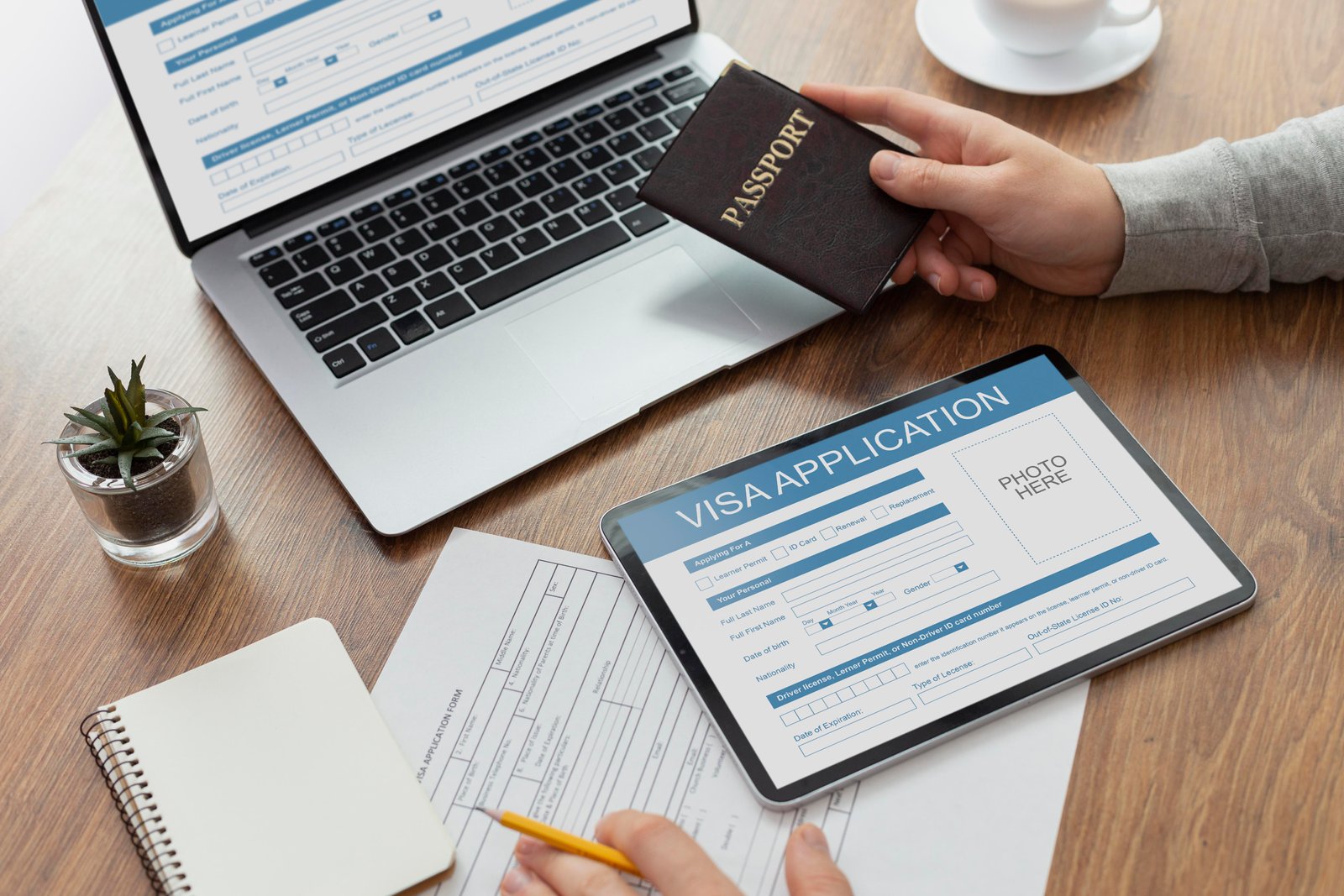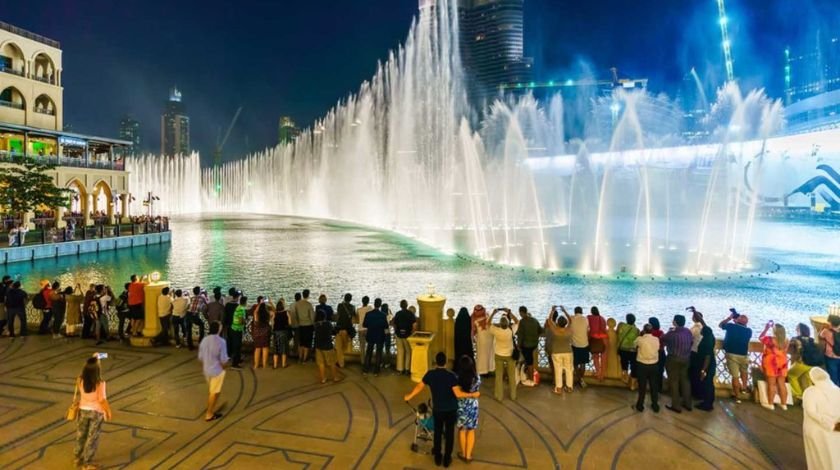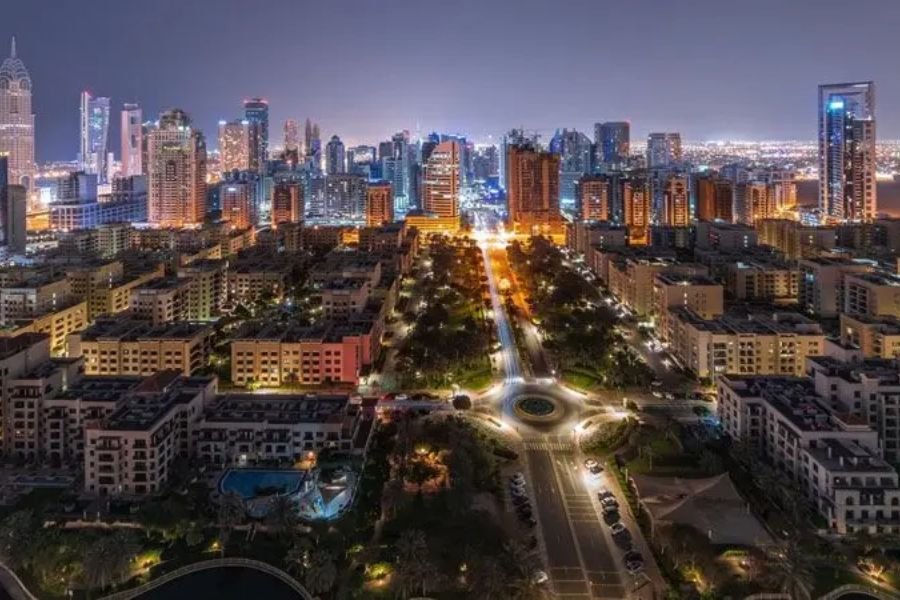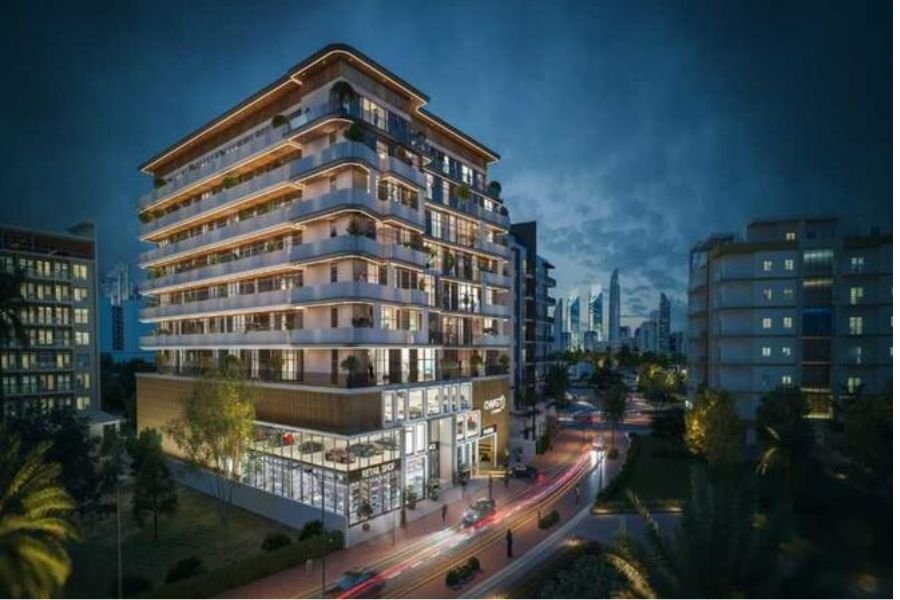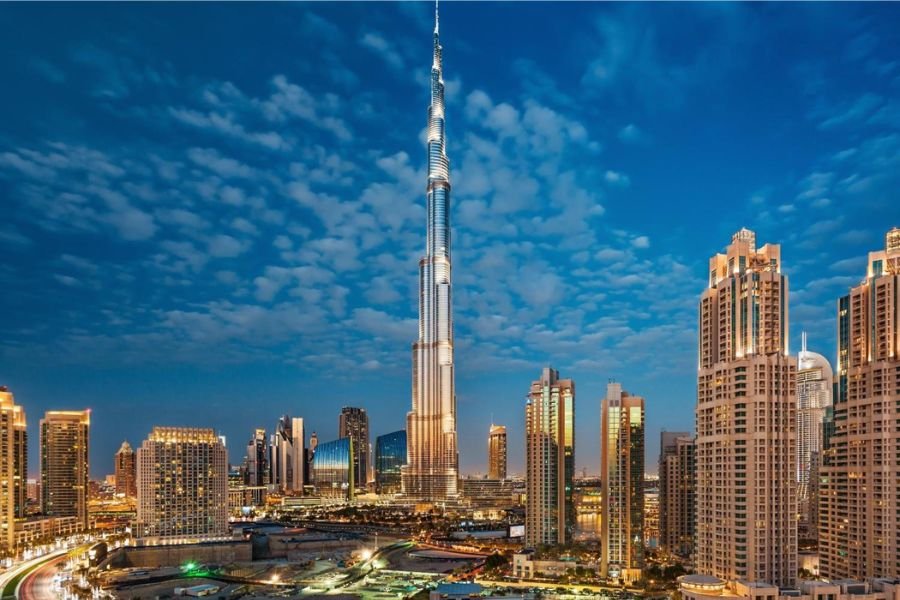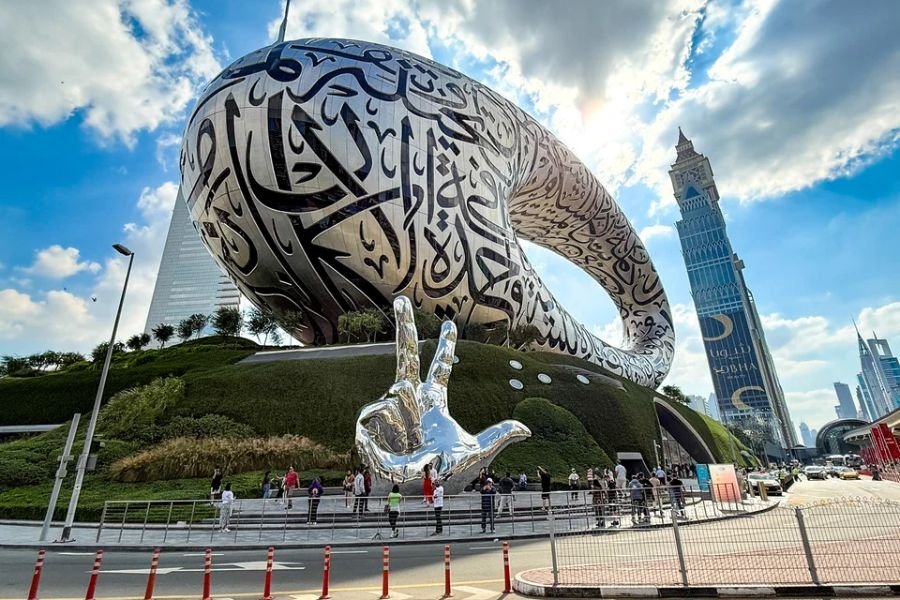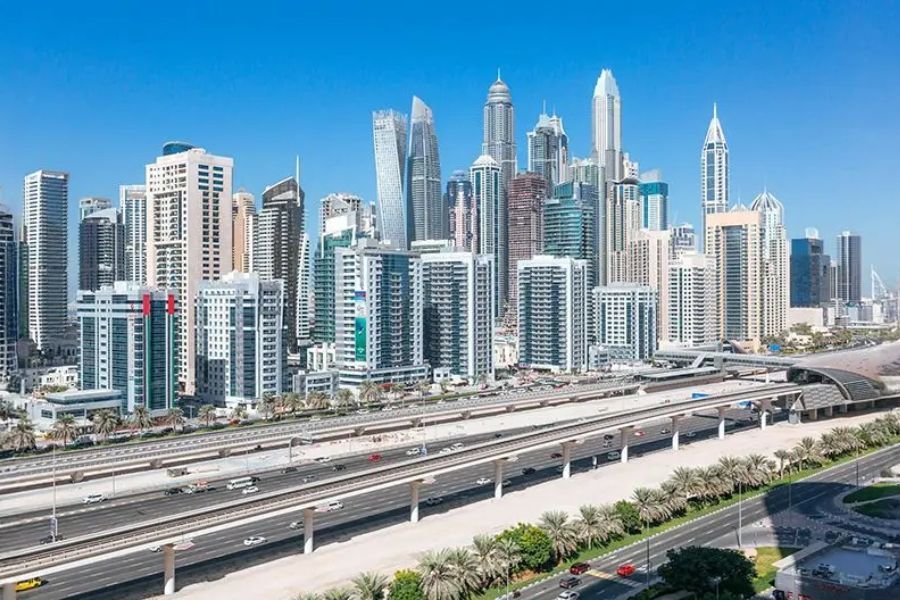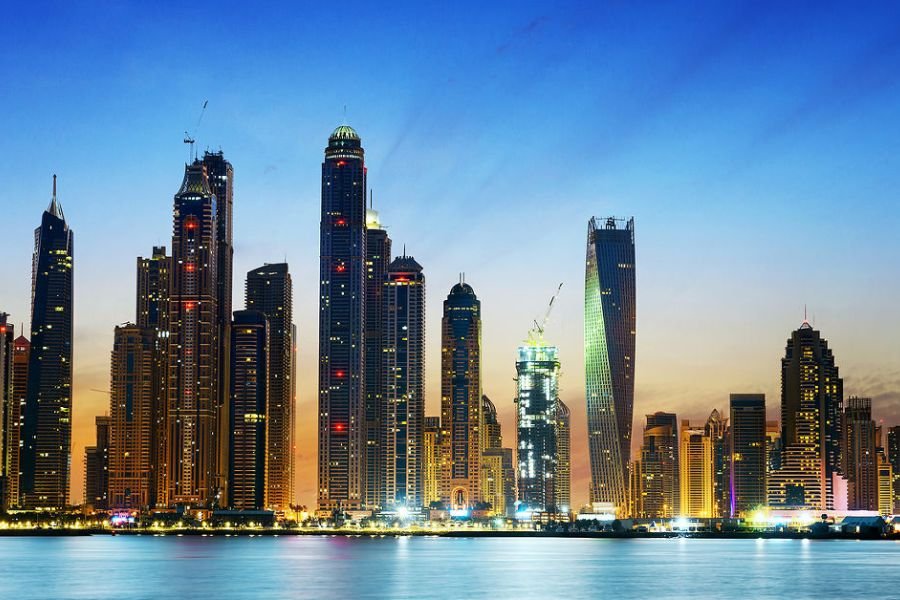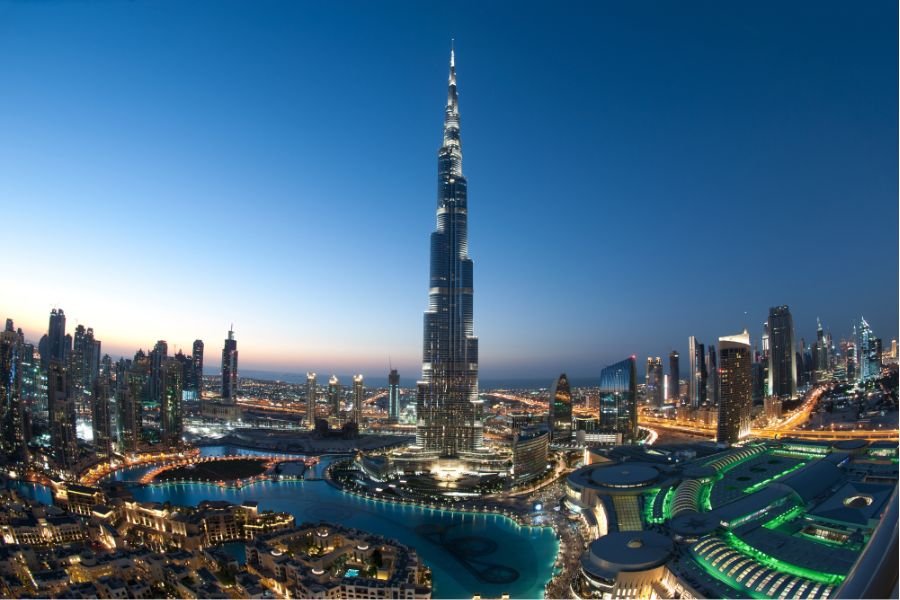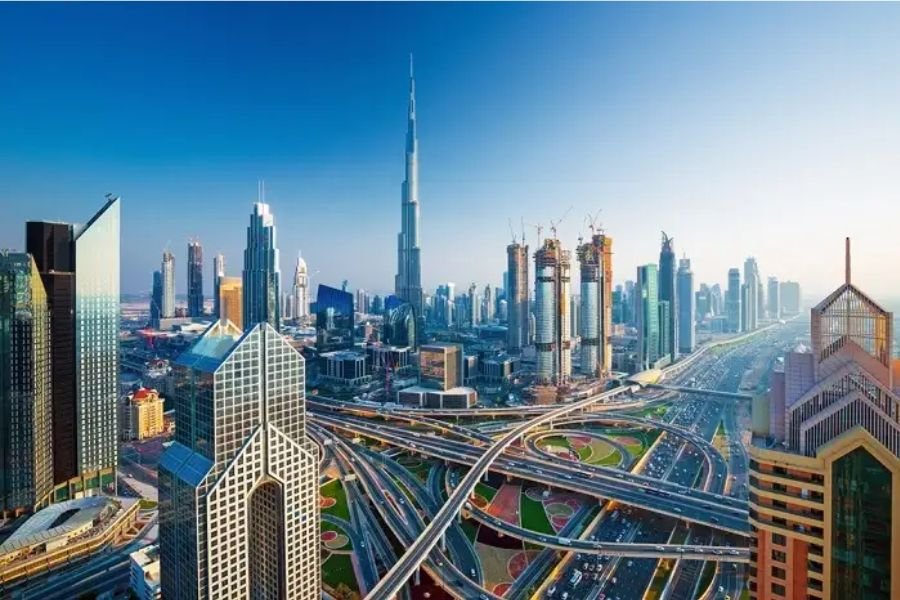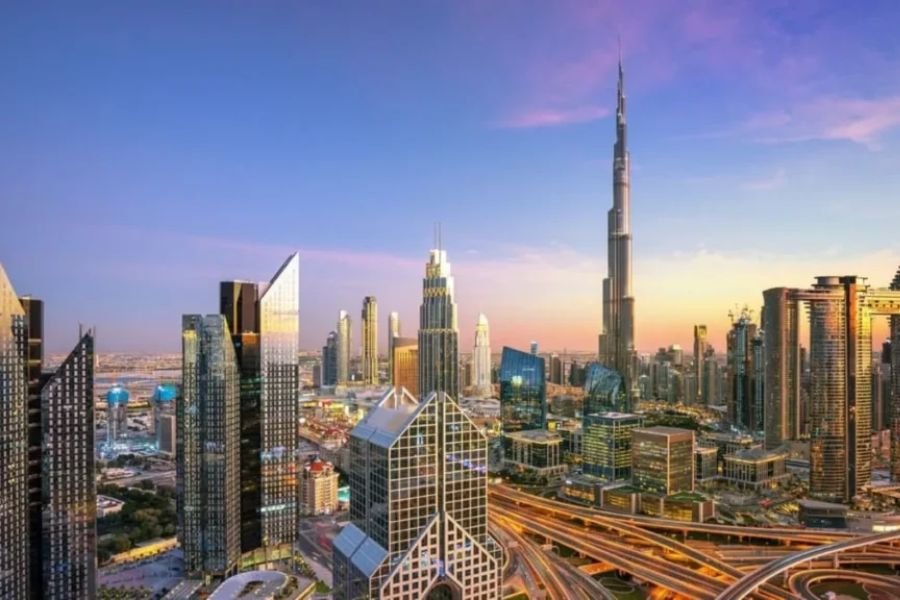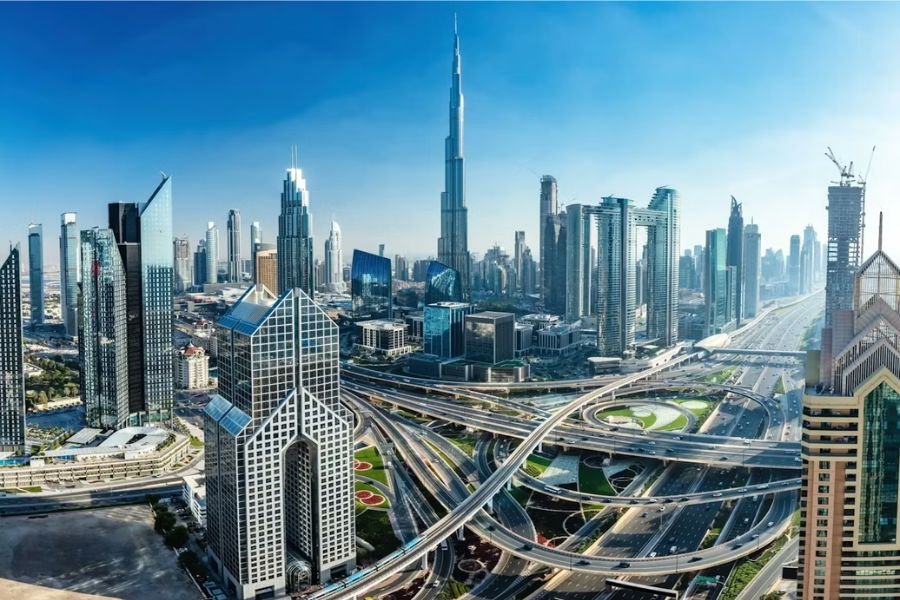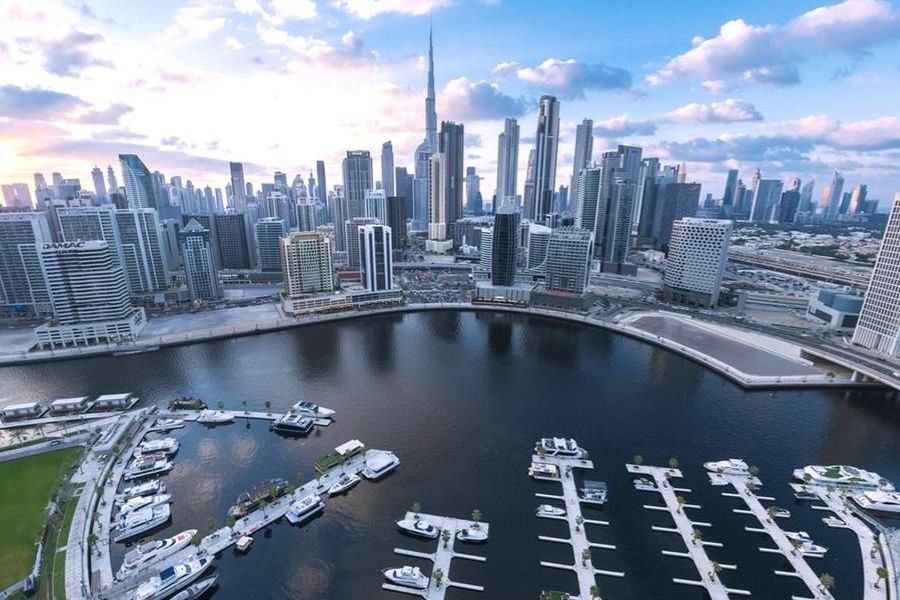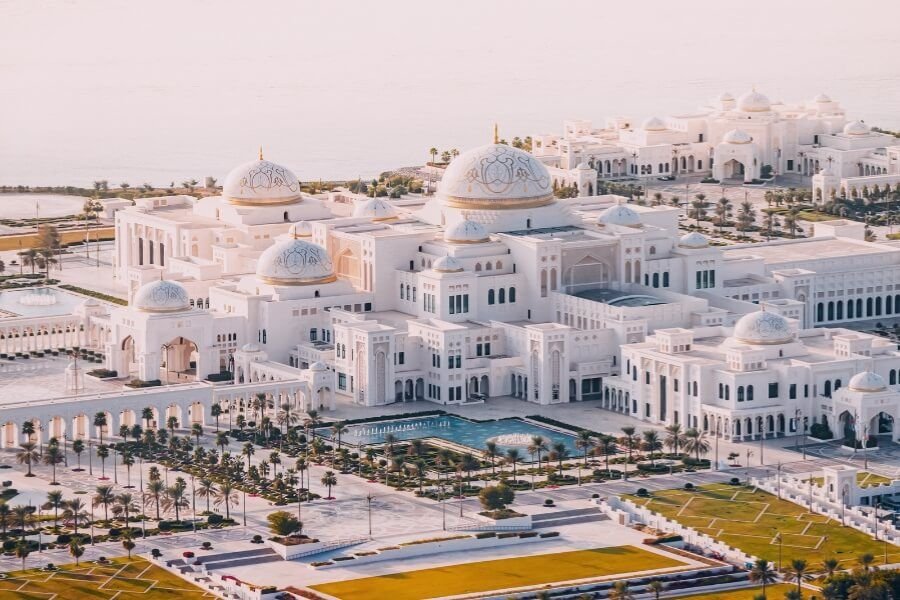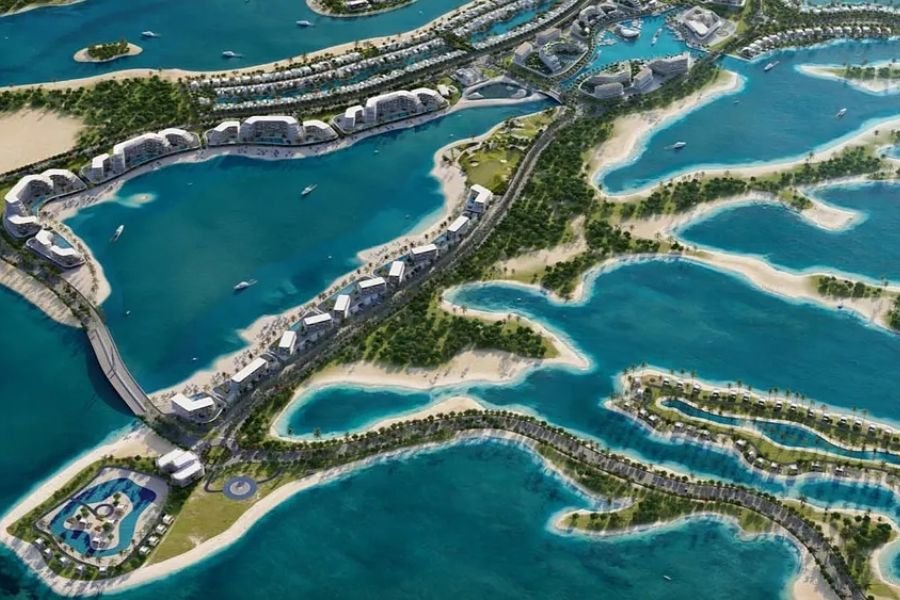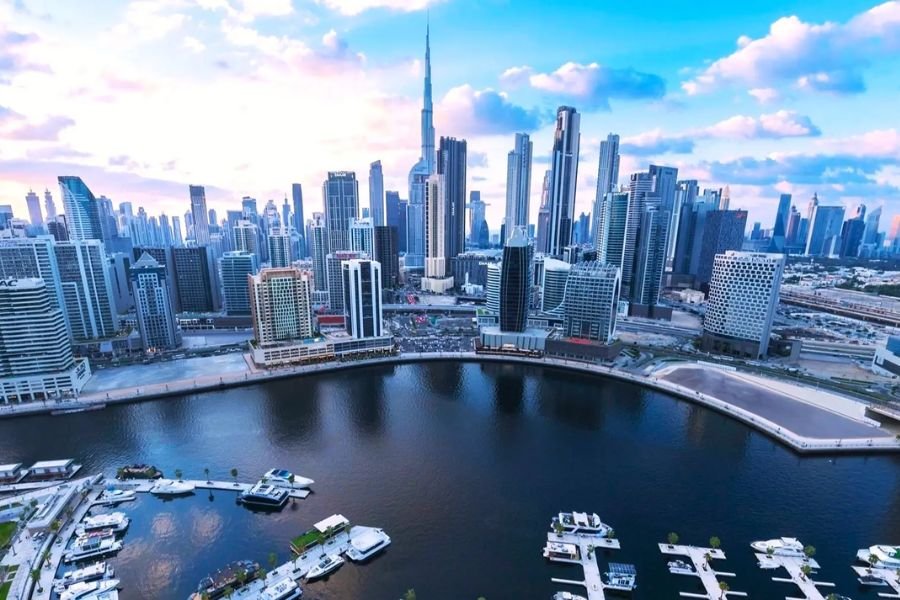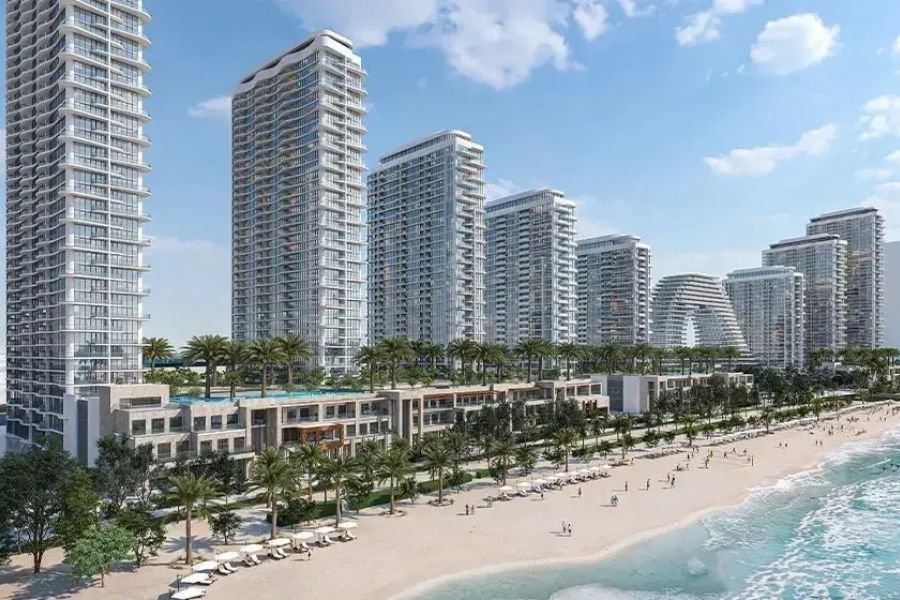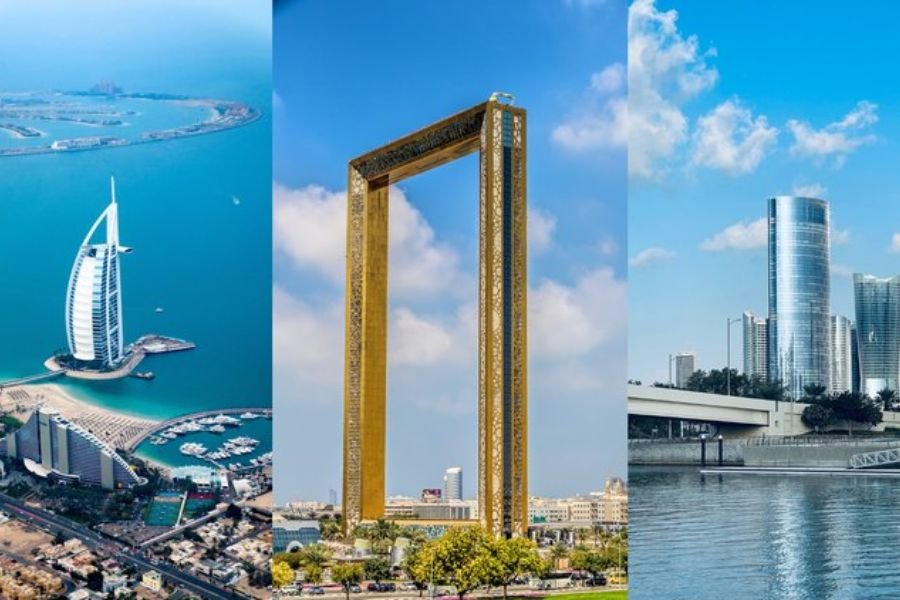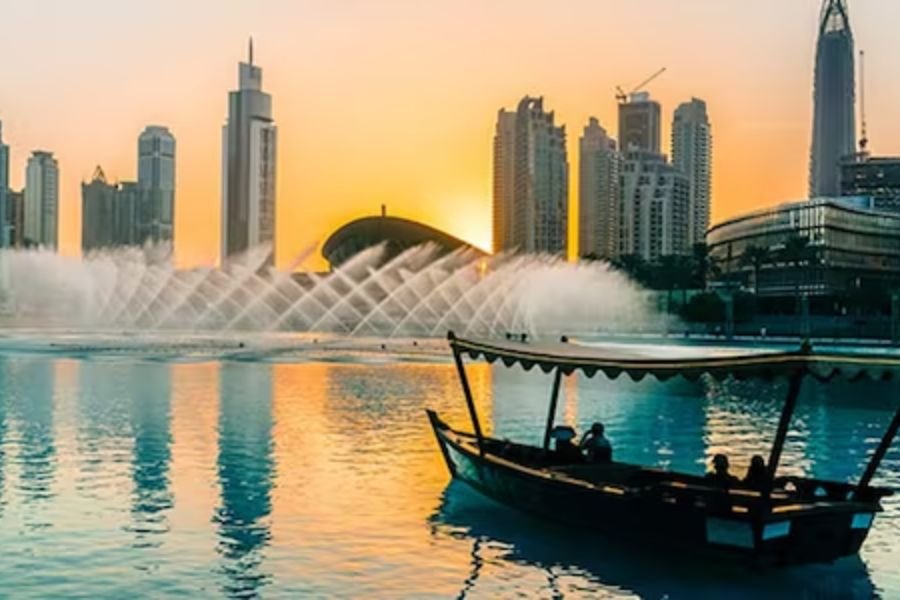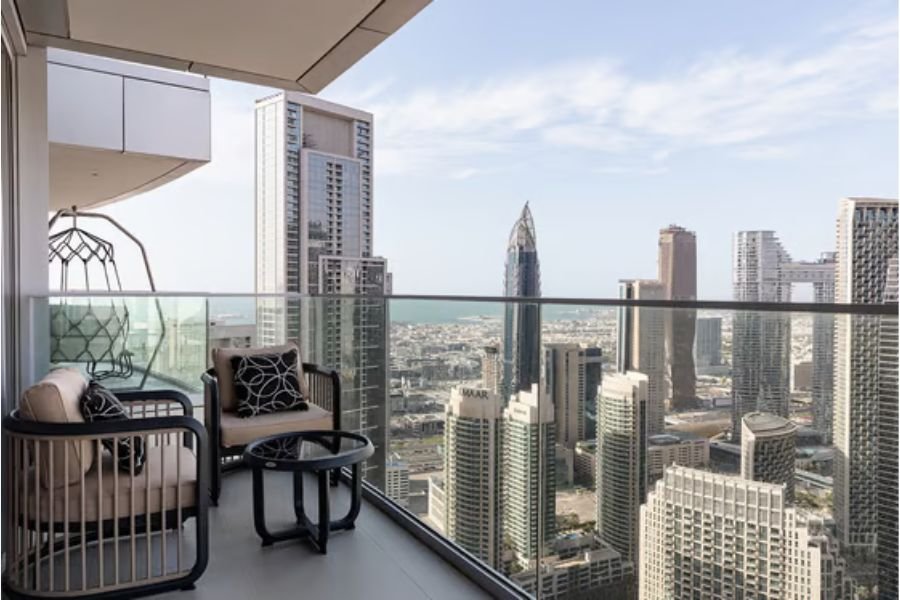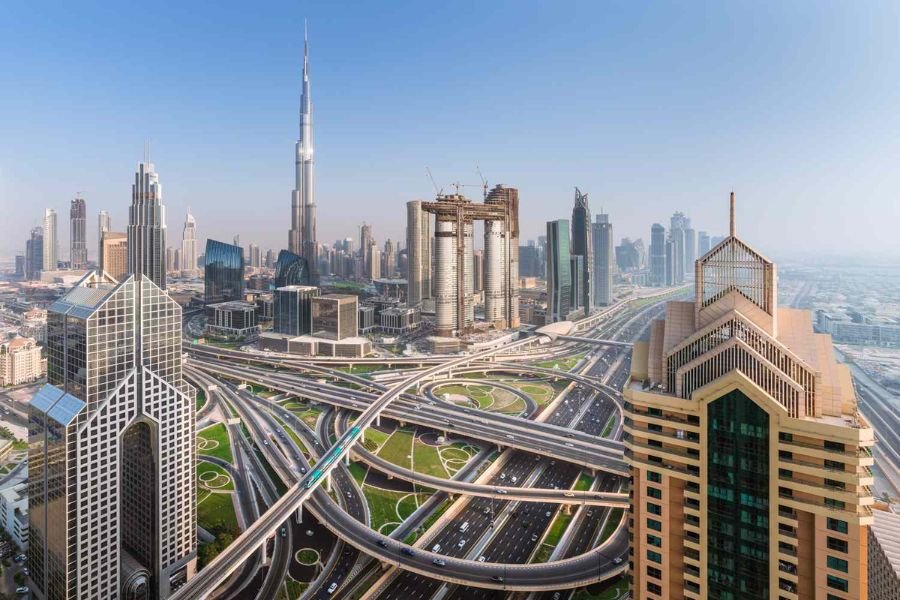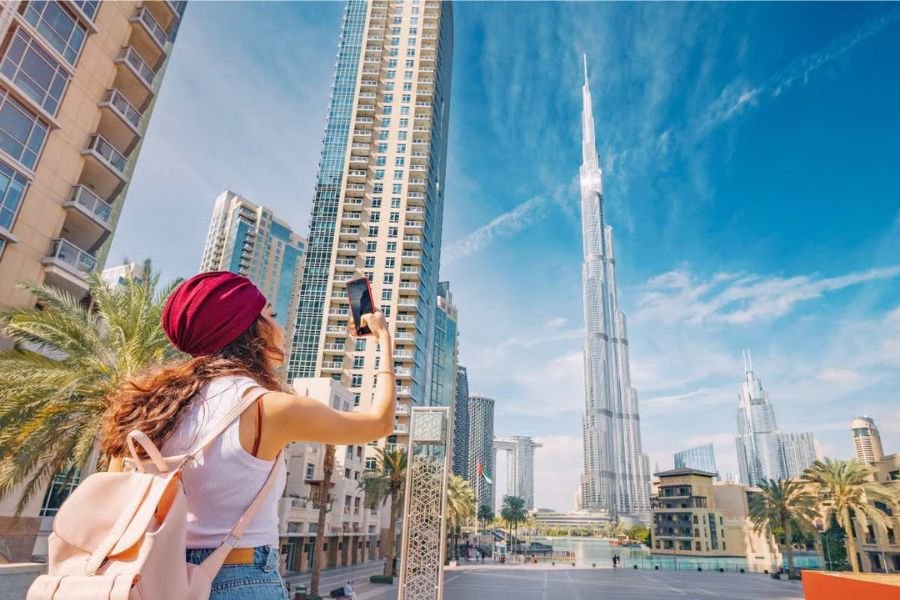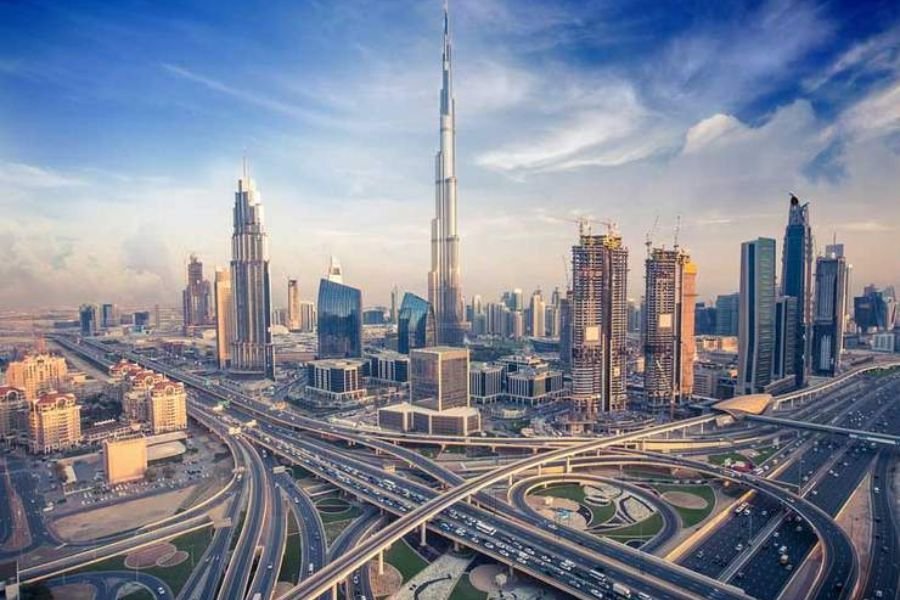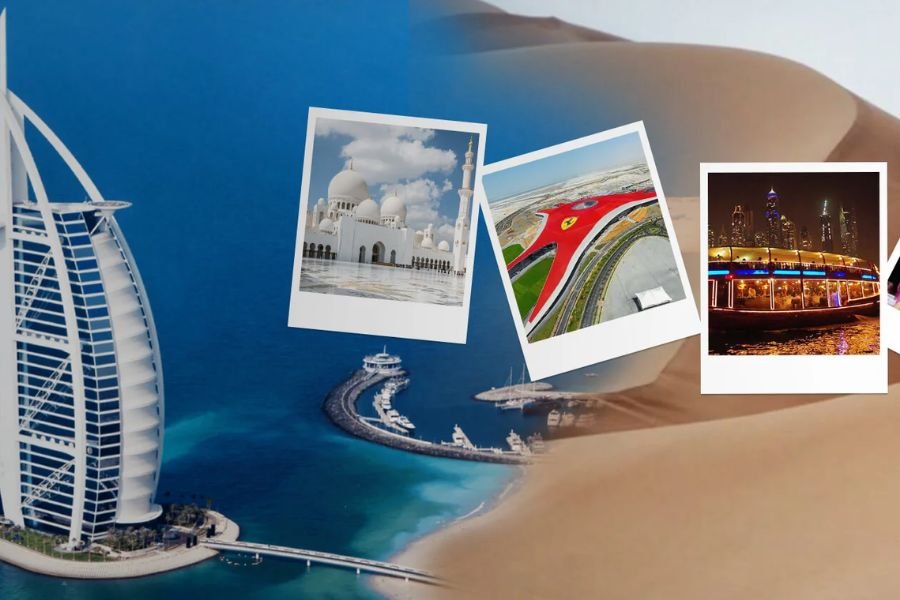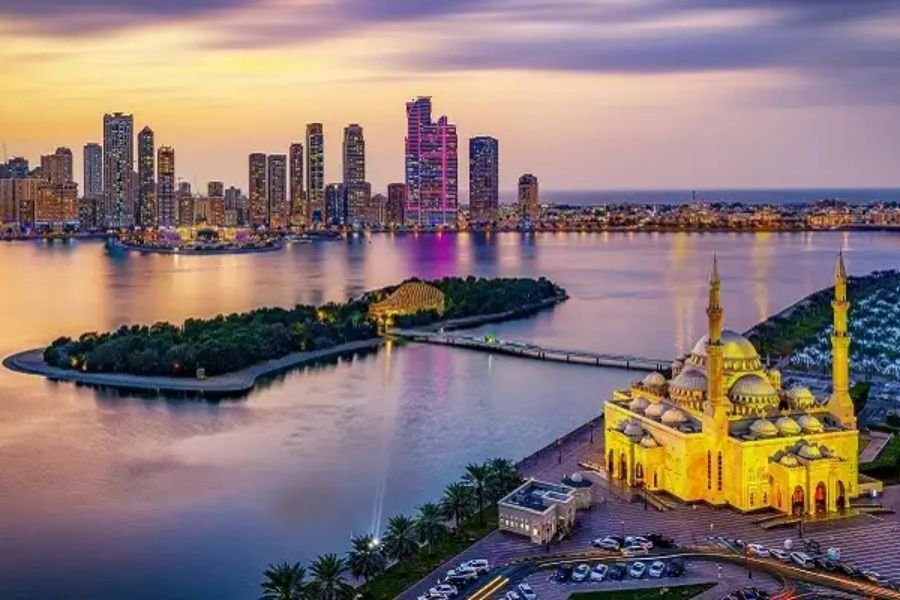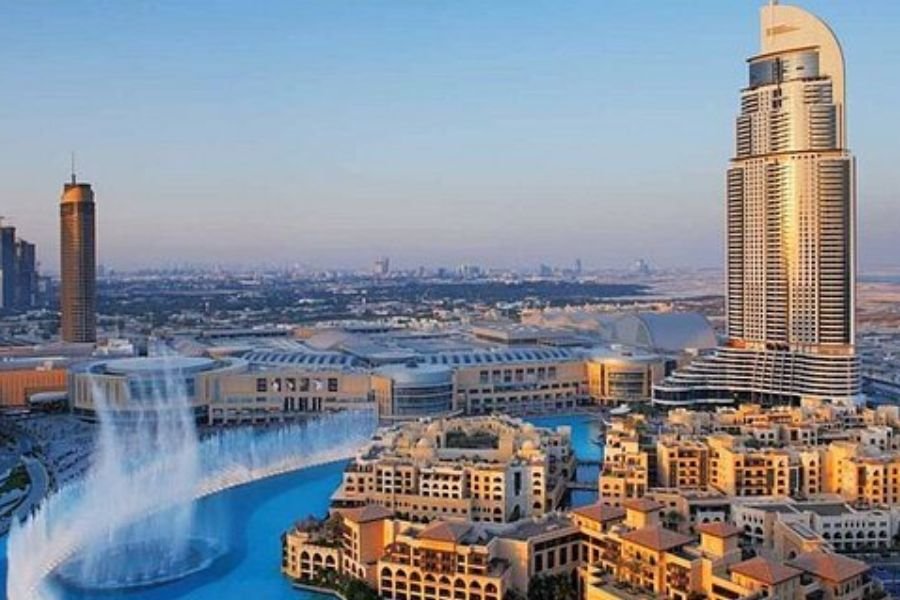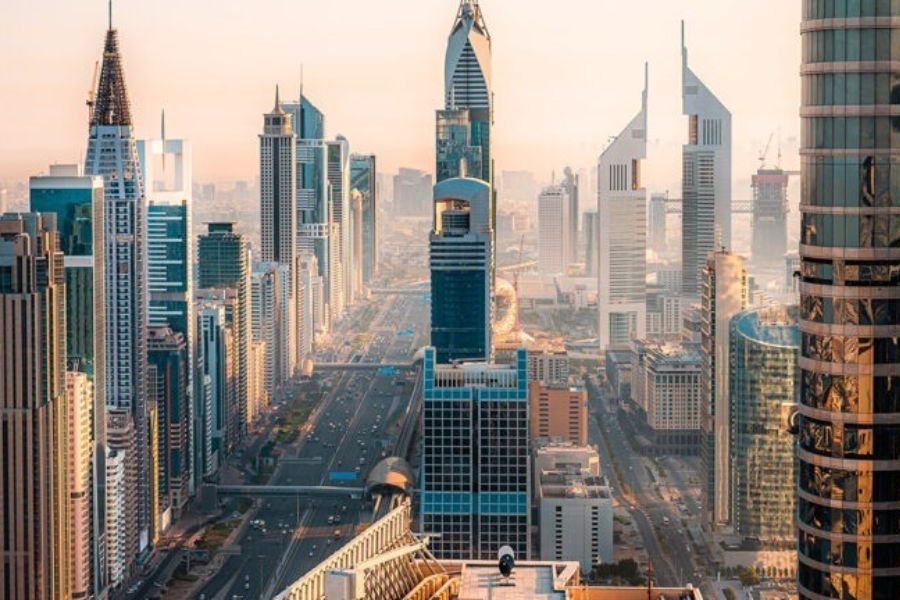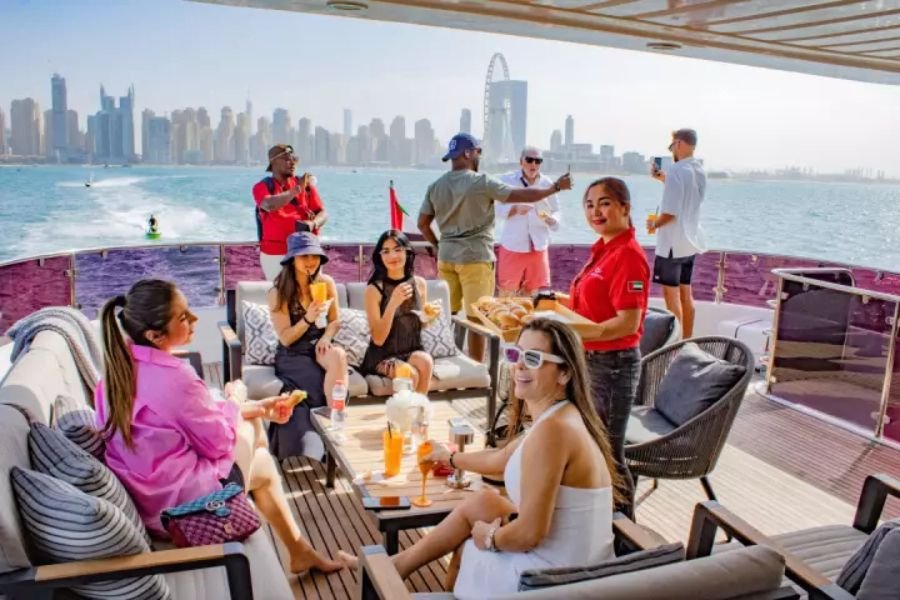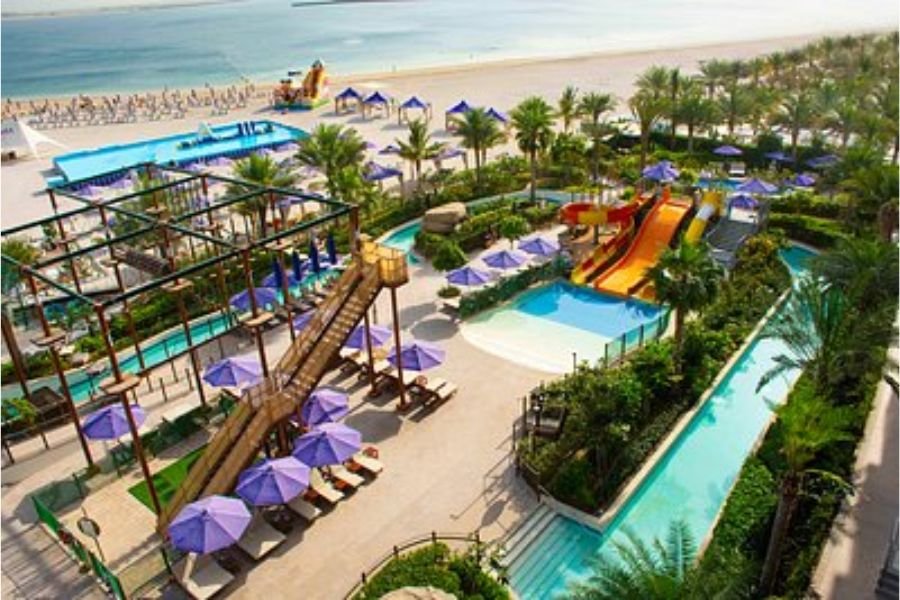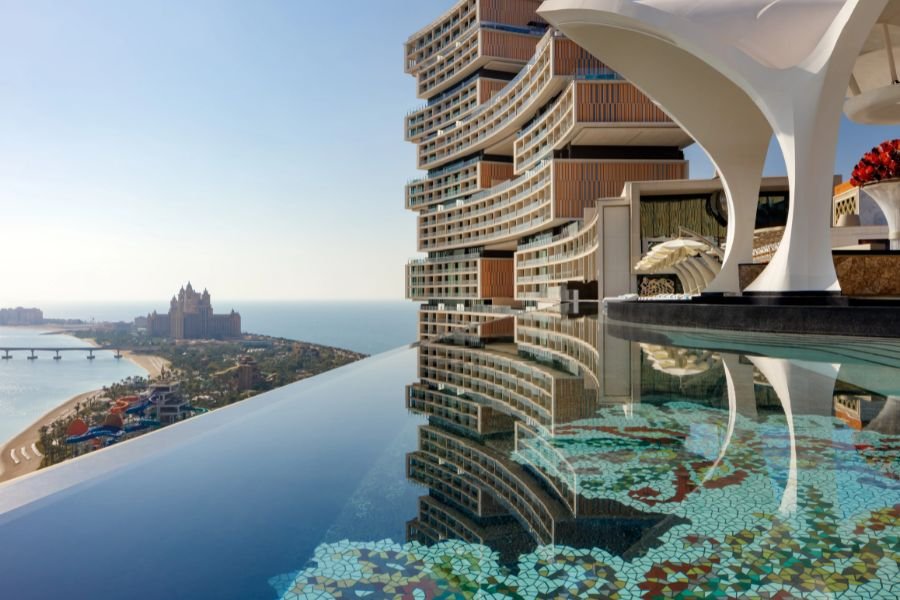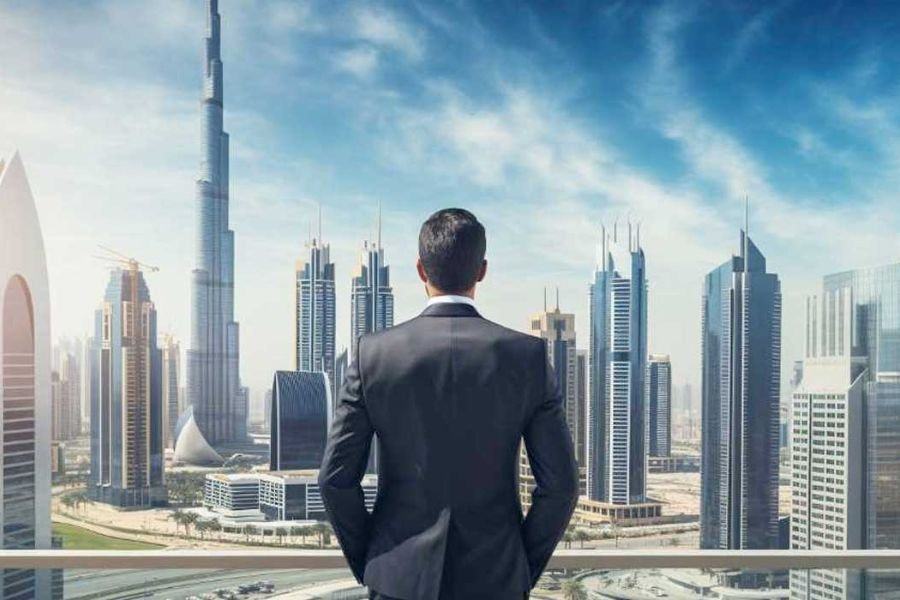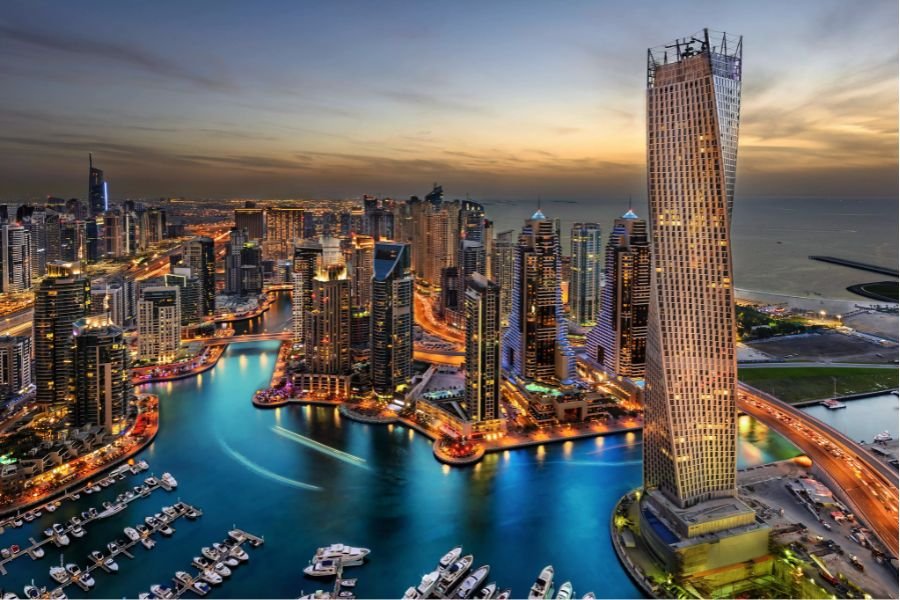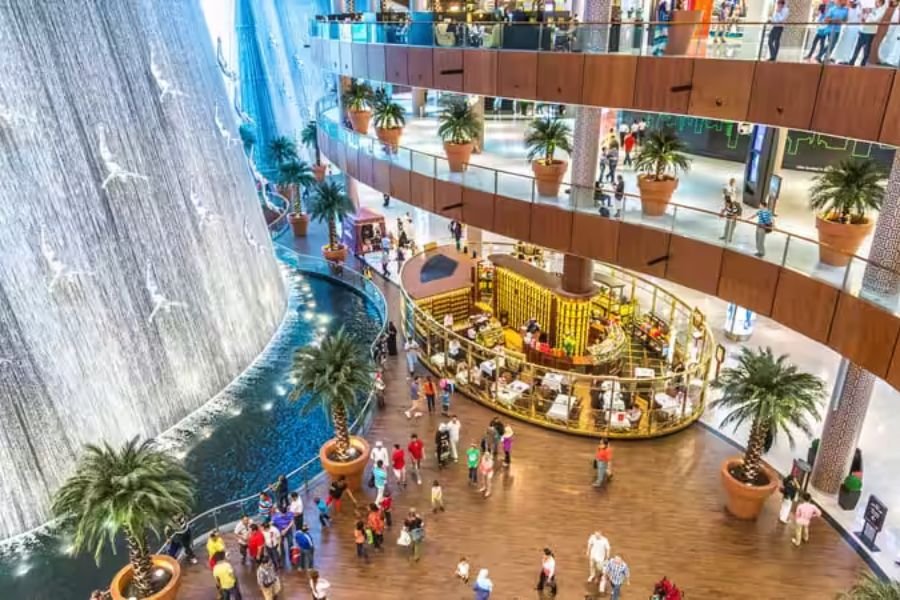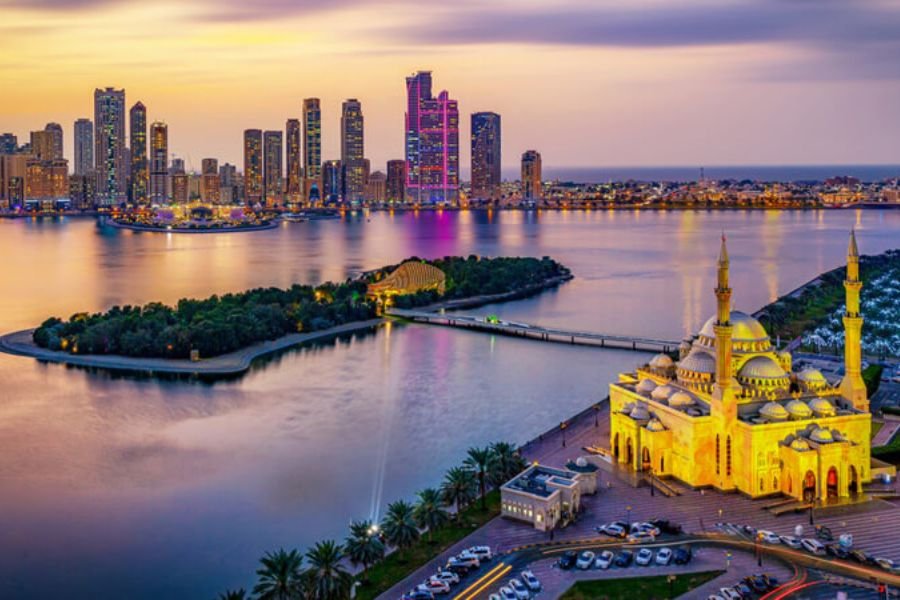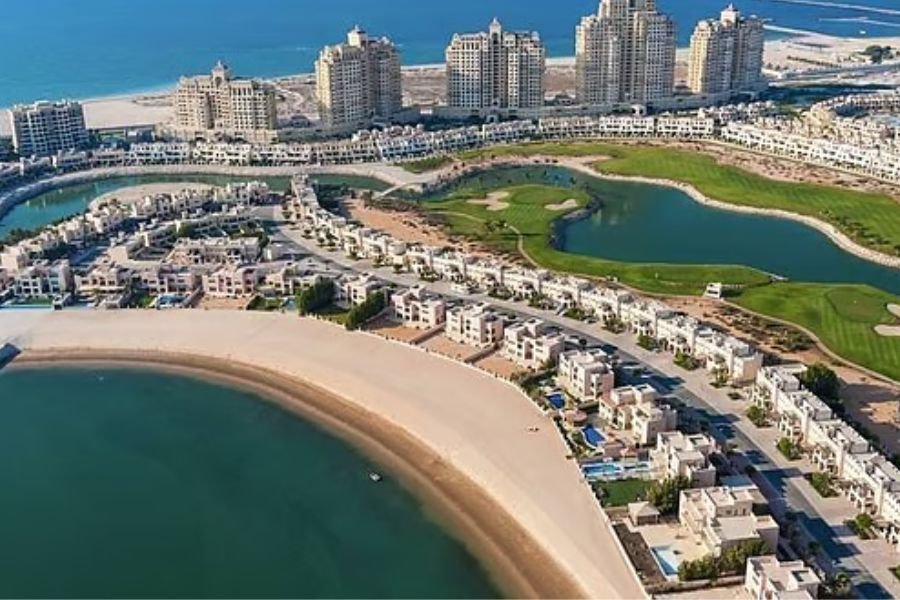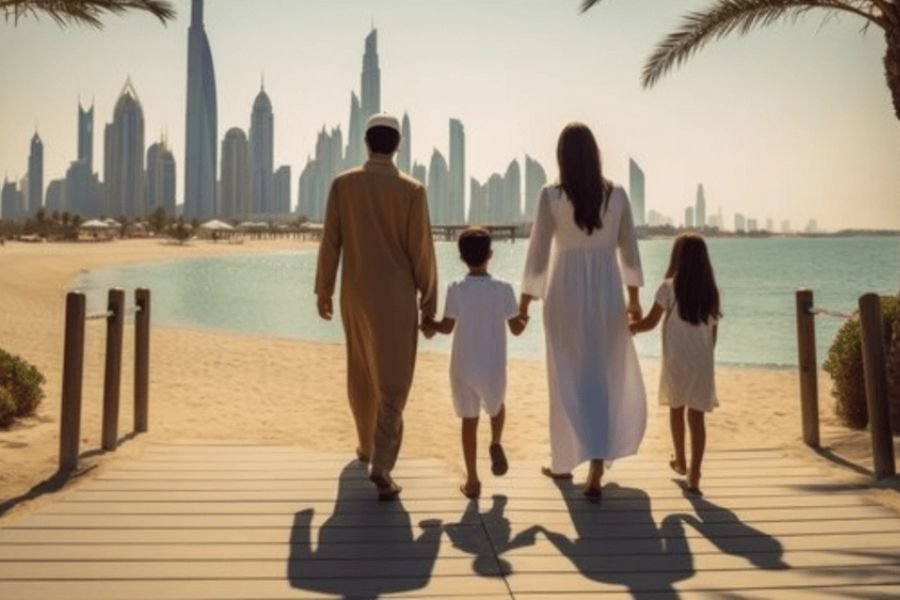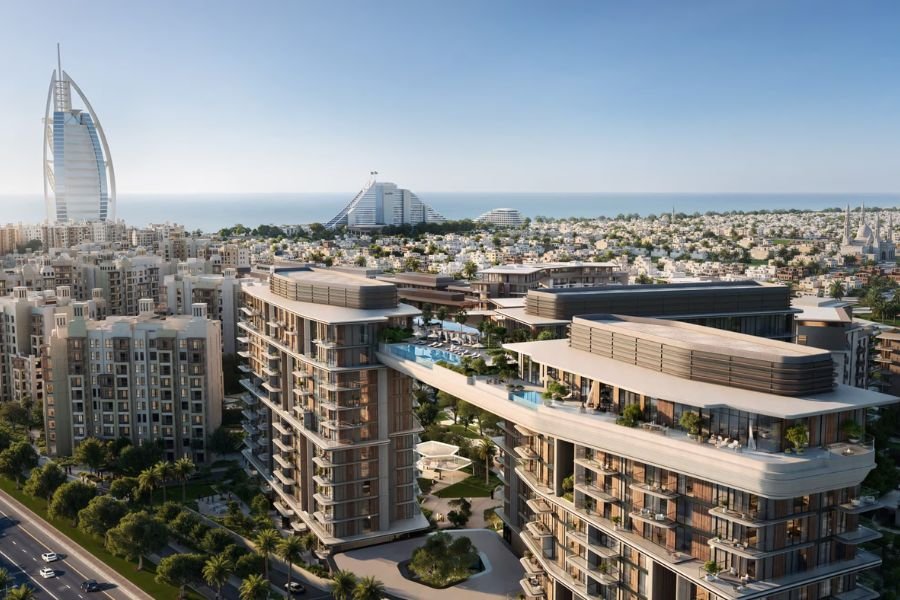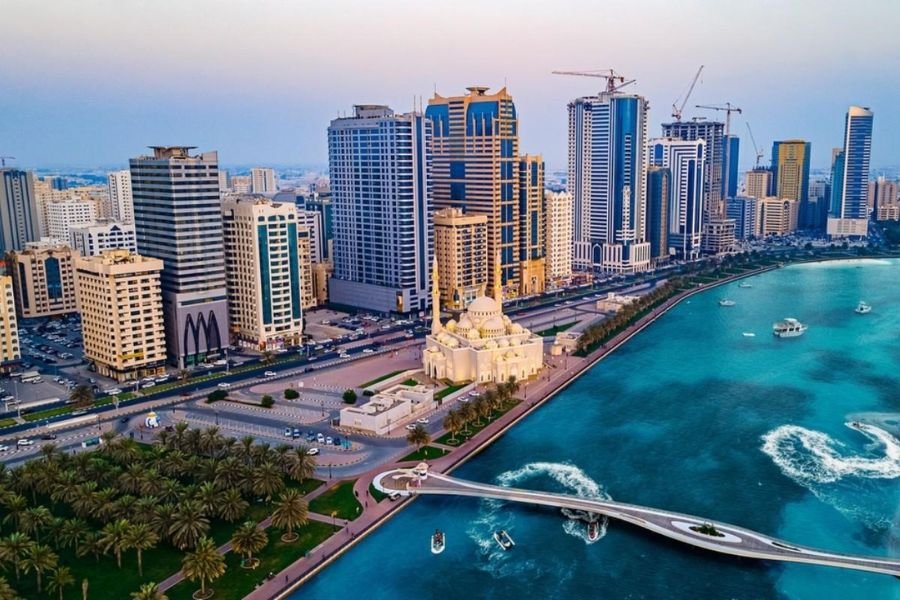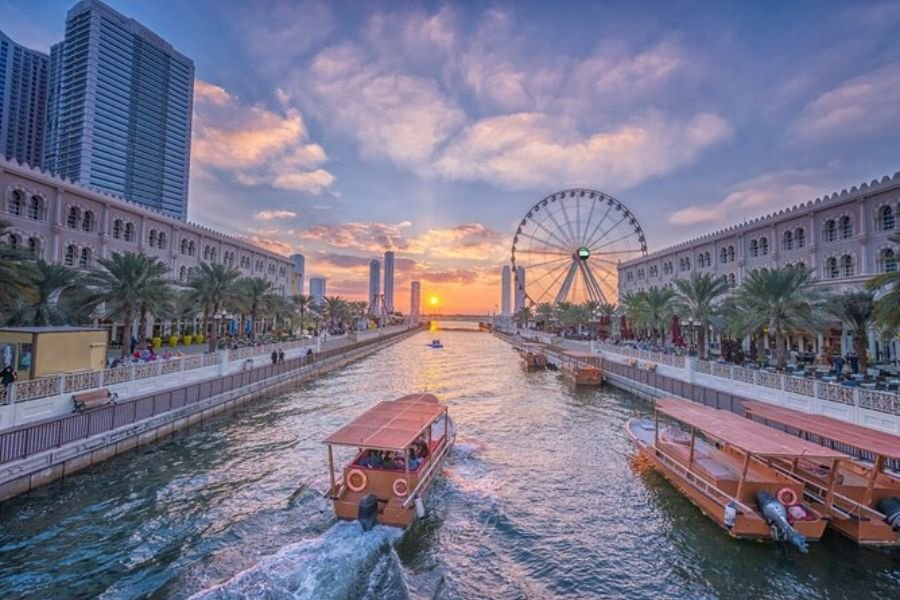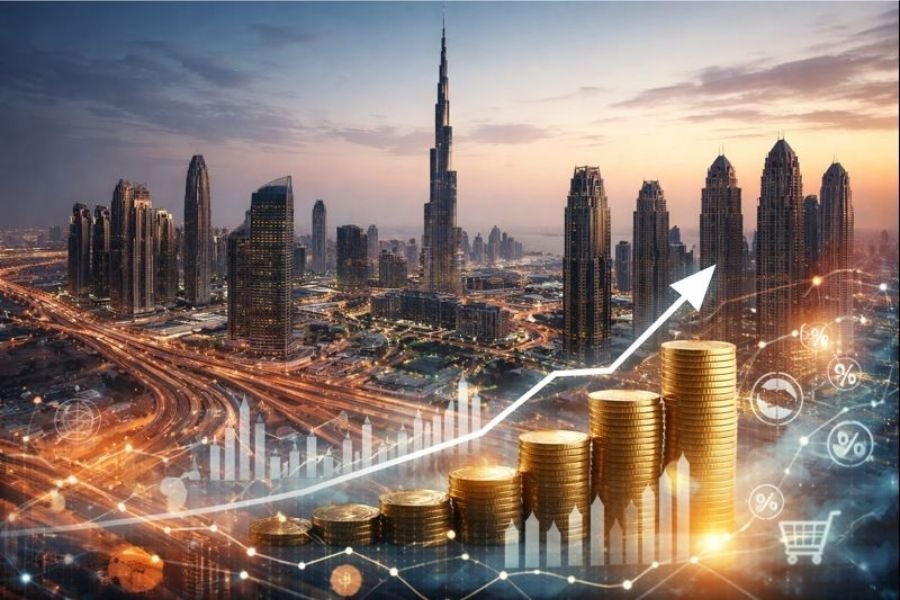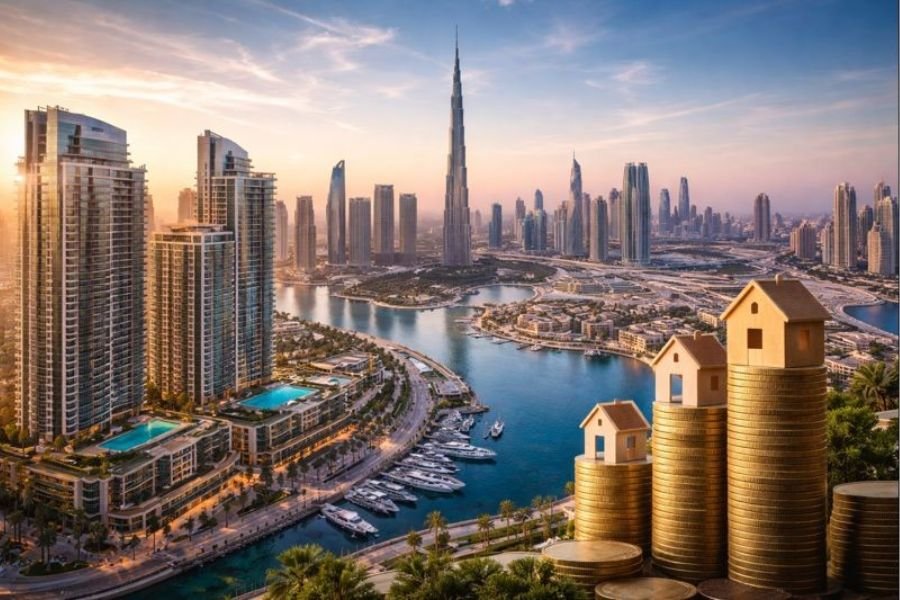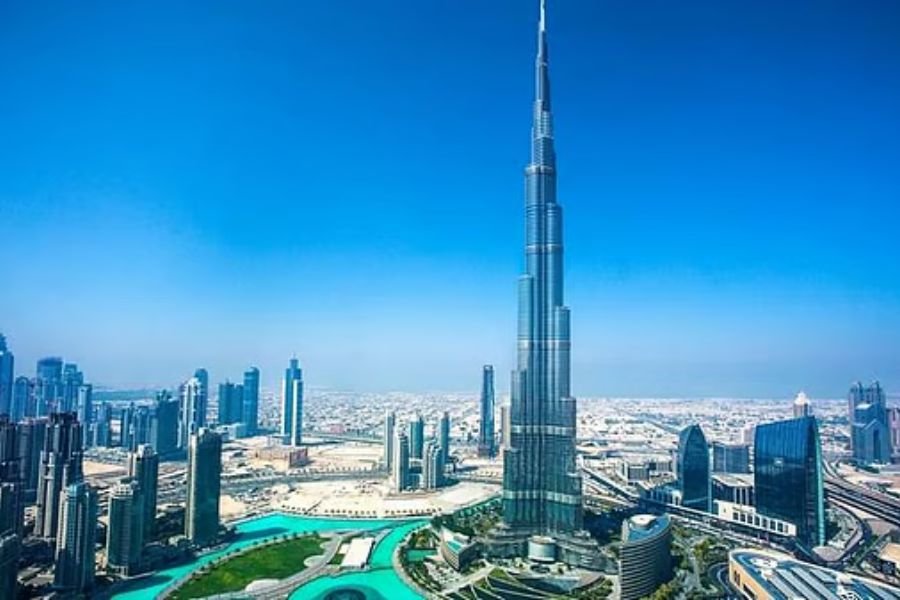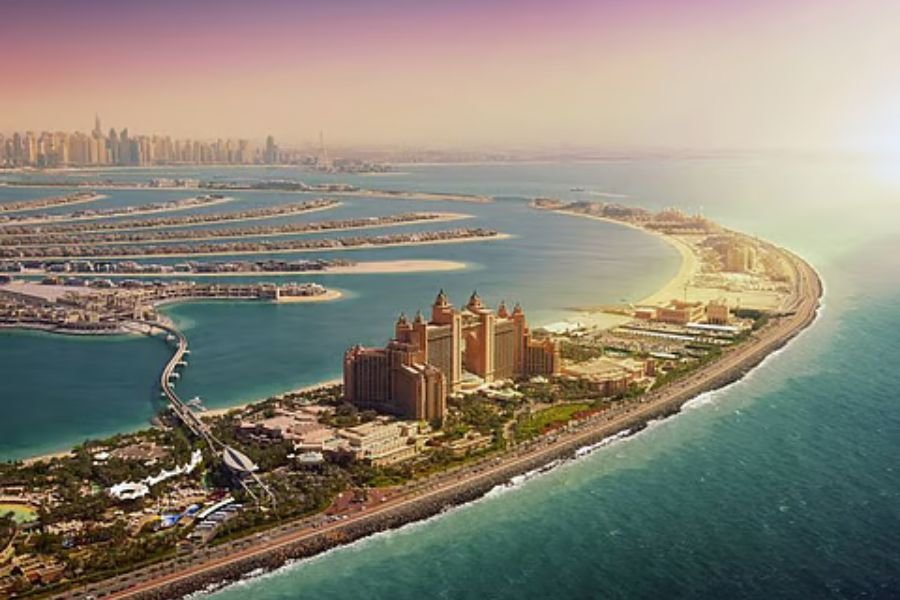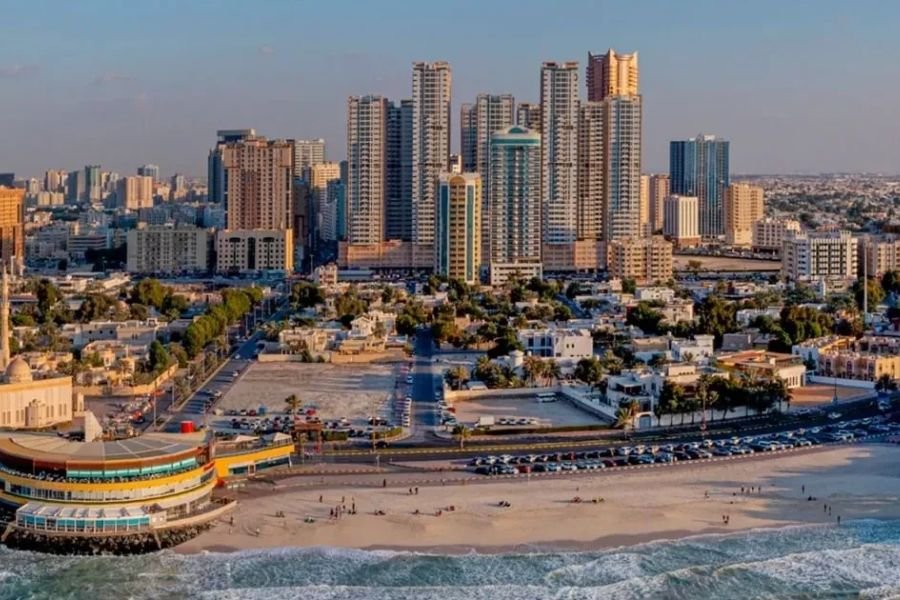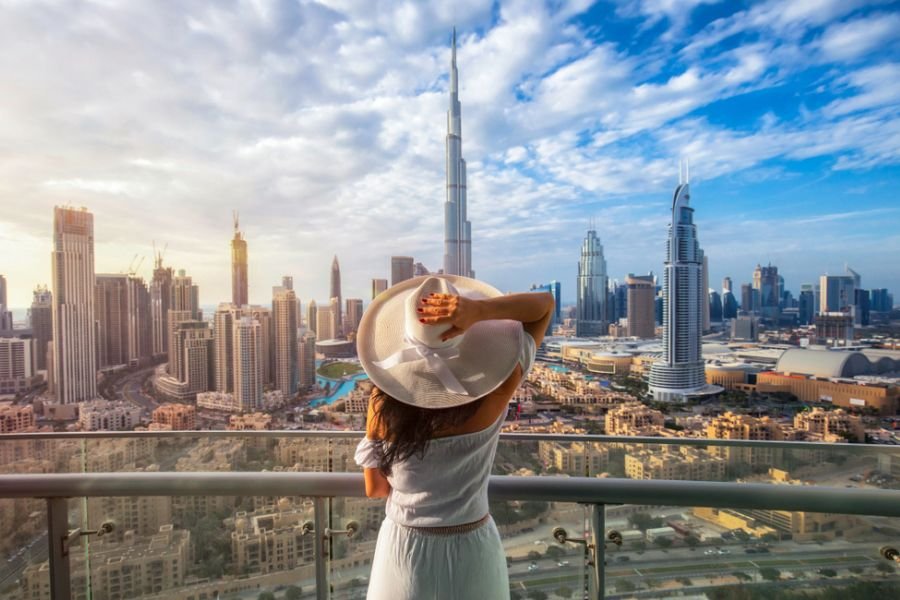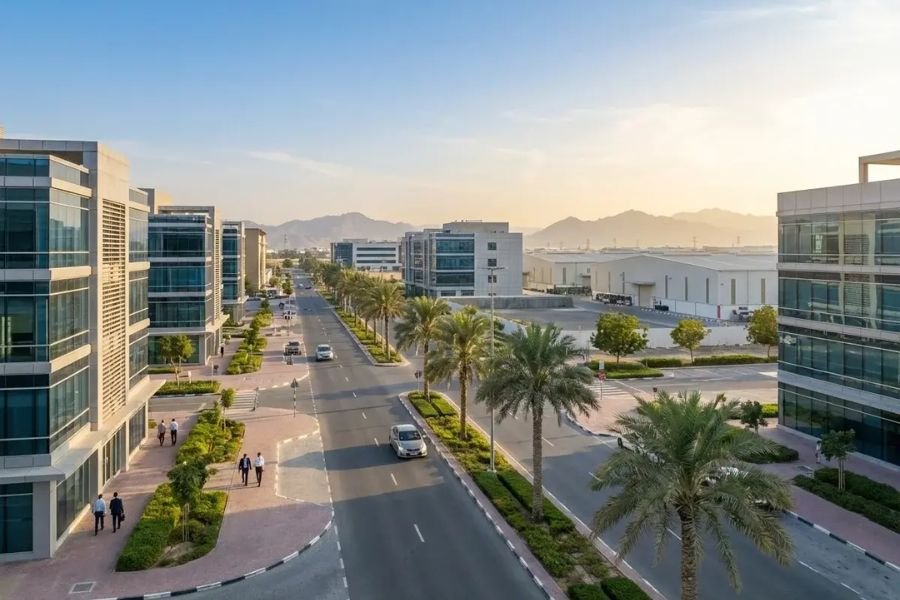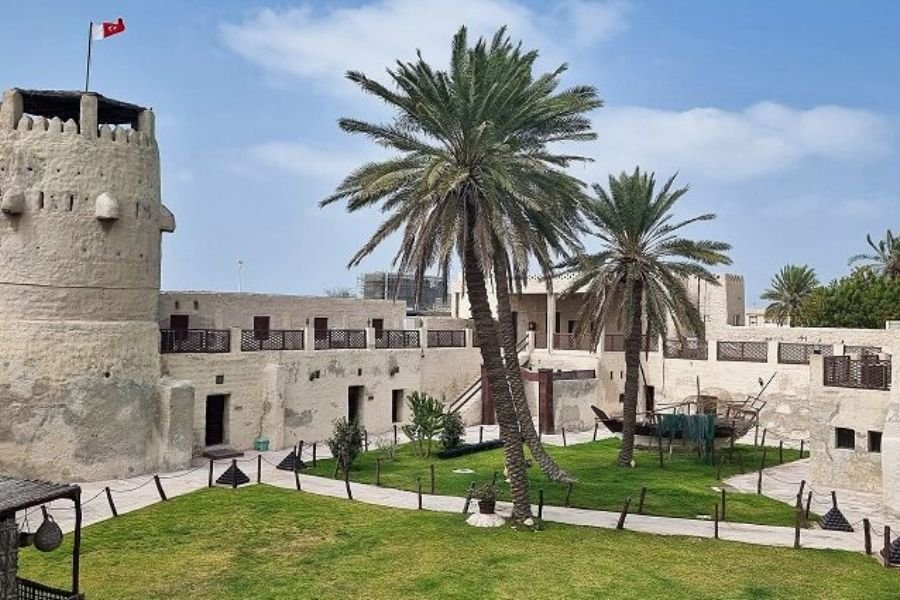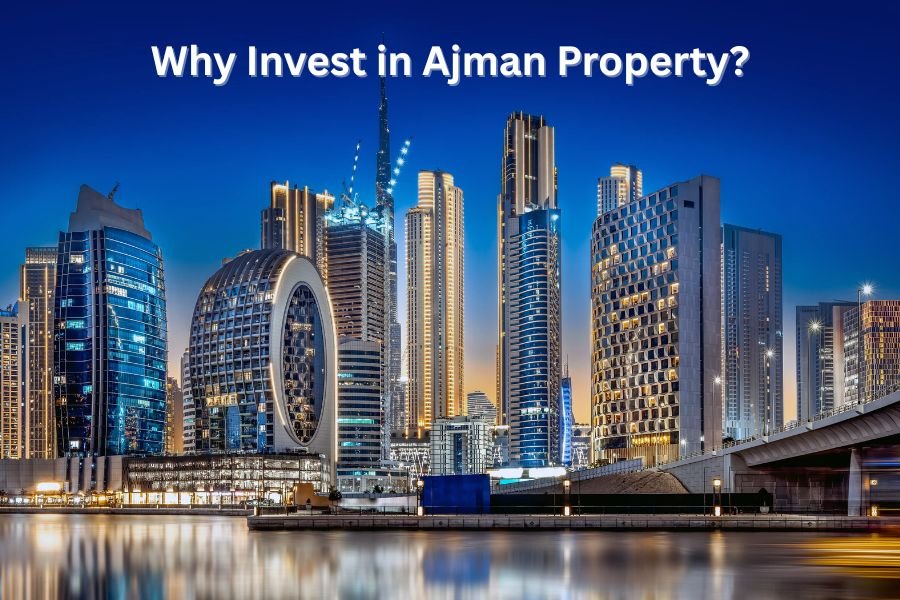
Dubai’s real estate sector has entered a more mature and stable phase, making 2026 a particularly important year for residents, investors, and long-term planners. The conversation today is no longer about short-term speculation but about sustainability, affordability, and lifestyle impact. Understanding the dubai real estate market trend in 2026 helps individuals make informed housing decisions that support not only financial security but also mental well-being, family stability, and quality of life.
As Dubai continues to attract global talent, entrepreneurs, and families, housing choices are increasingly influenced by healthcare access, community planning, and long-term economic confidence. Whether buying, renting, or investing, each option carries implications beyond cost alone.
How the Dubai Real Estate Market Is Shaping Up for 2026
The dubai property market forecast for 2026 suggests steady growth rather than dramatic price swings. This reflects a market that has learned from past cycles and now prioritizes balance between supply and demand. Regulatory oversight, escrow protections, and improved transparency have strengthened confidence among buyers and tenants alike.
Population growth remains a key driver. Dubai continues to welcome professionals seeking long-term residence, supported by visa reforms and employment opportunities across healthcare, logistics, technology, and tourism. This steady inflow supports housing demand while allowing infrastructure, schools, and medical facilities to grow in parallel, an important factor in maintaining public health standards.
Buying Property in Dubai: A Long-Term Lifestyle Decision
For many residents, buying a home in Dubai in 2026 is about stability rather than rapid appreciation. Ownership offers protection against rising rental costs and provides a sense of permanence that supports family life and emotional well-being. Research consistently links housing stability with reduced stress, better sleep, and improved mental health outcomes.
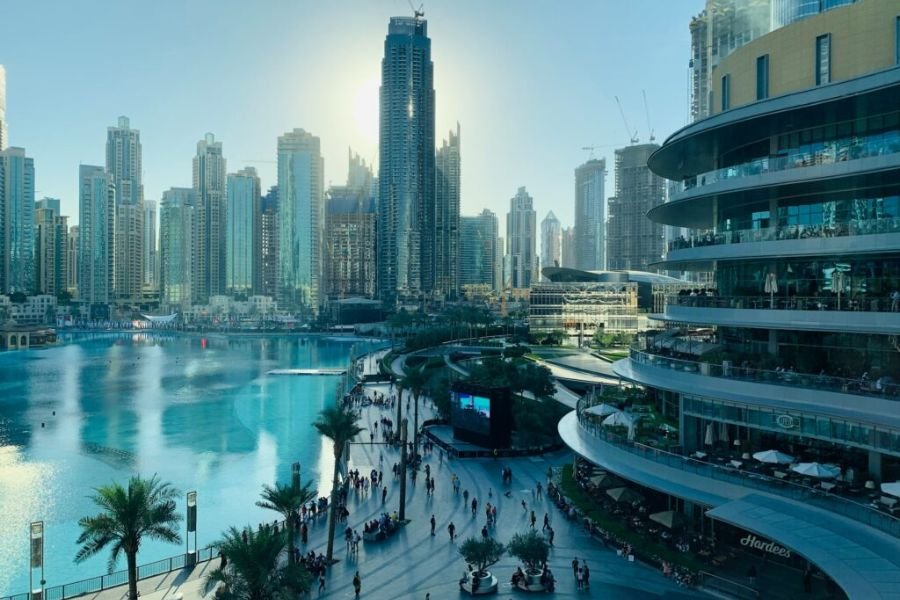
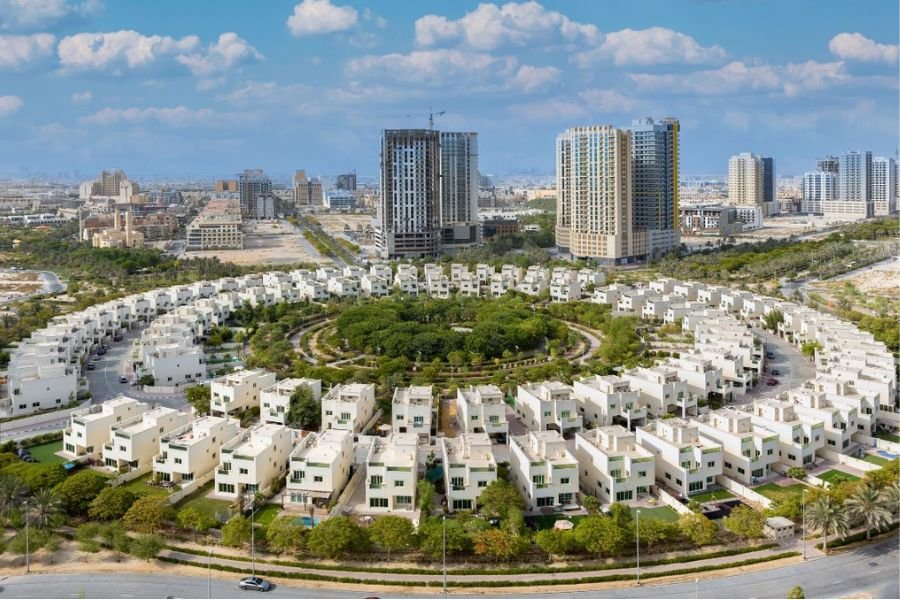
The current dubai real estate market trend shows buyers focusing more on community design than square footage alone. Proximity to hospitals, green spaces, walkable areas, and low-noise environments has become increasingly important. Developers are responding with projects that emphasize ventilation, natural light, and access to wellness amenities, features that align closely with preventive healthcare principles.
Luxury Homes and the Shift Toward Wellness Living
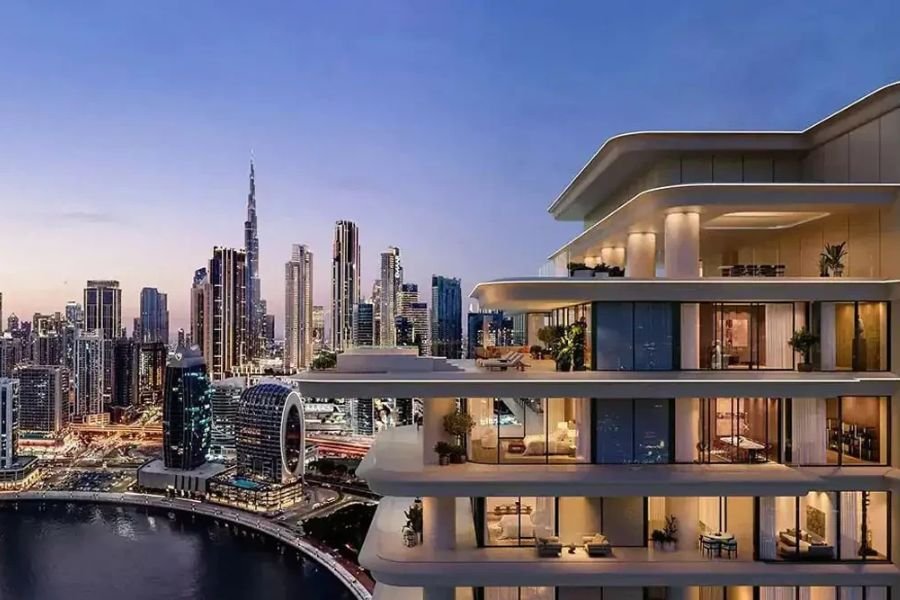
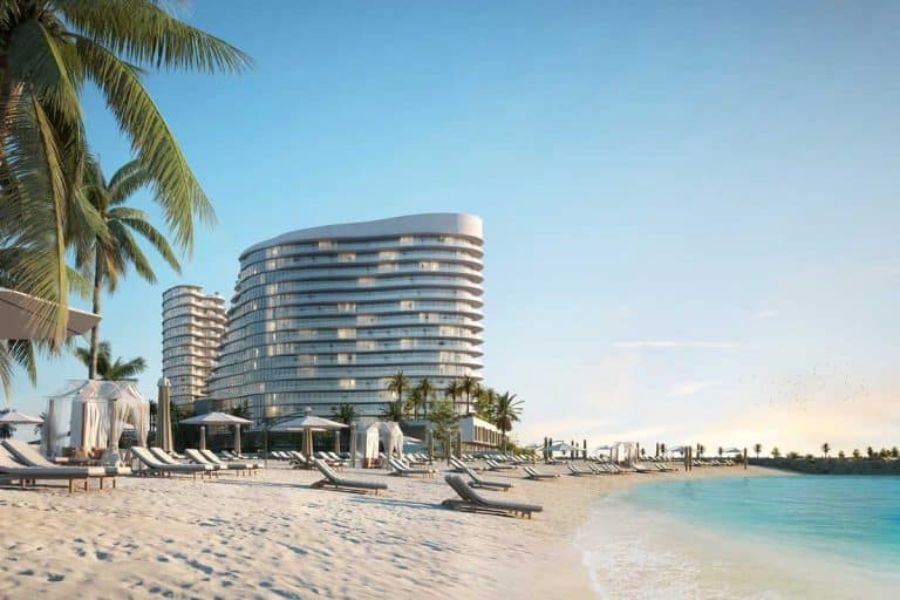
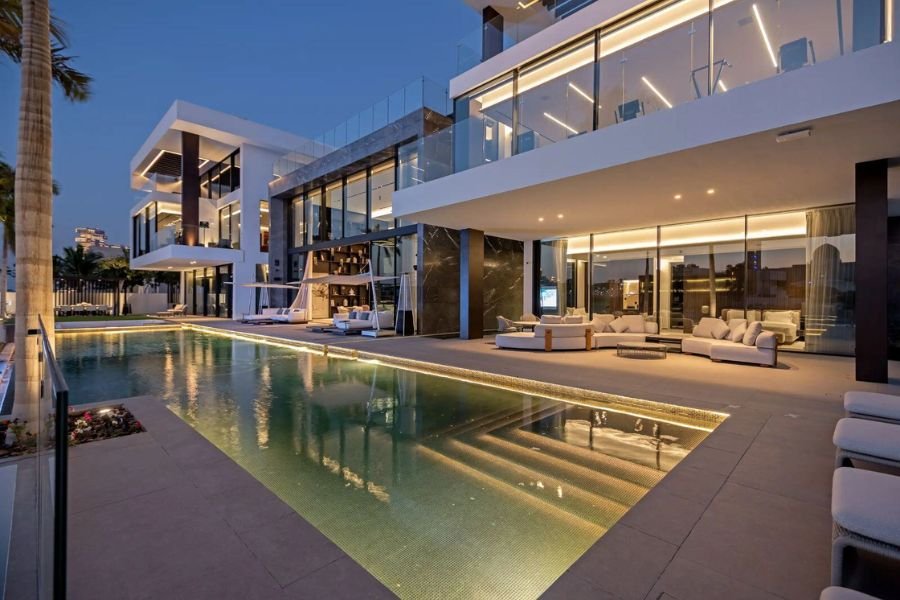
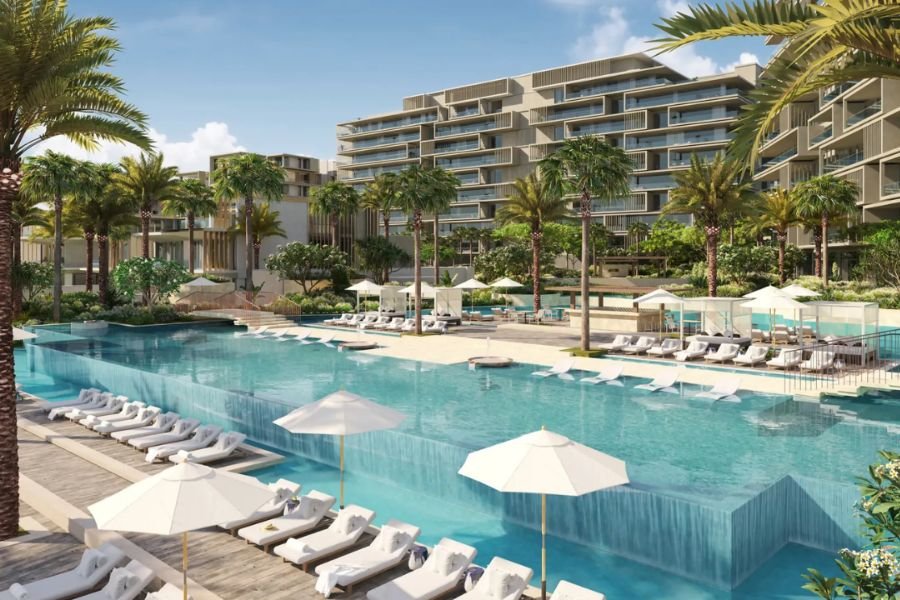
Interest in high-end housing remains strong, but motivations have evolved. Buyers looking to buy luxury property in Dubai are now prioritizing privacy, health-focused design, and long-term comfort over short-term prestige. Luxury developments increasingly integrate fitness facilities, landscaped walking areas, and quieter residential layouts.
From a medical perspective, such environments encourage physical activity and stress reduction while minimizing exposure to environmental factors that can negatively affect health. This shift reflects a broader alignment between real estate development and population well-being.
Renting in Dubai: Flexibility Still Has a Place
Despite growing confidence in ownership, renting continues to be a sensible option for many residents in 2026. Professionals with mobile careers, younger families exploring different neighborhoods, or individuals uncertain about long-term plans often benefit from the flexibility that renting provides.
The dubai real estate market trend indicates that rental demand will remain strong, supported by workforce mobility and limited new supply in popular residential areas. While rents may increase gradually, the pace is expected to be more controlled than in previous cycles. Predictable housing costs reduce financial anxiety, which is closely linked to mental and physical health.
The Health Impact of Renting vs Buying
From a public health standpoint, renting can reduce financial pressure related to mortgages, maintenance, and long-term debt. Lower financial stress contributes to better cardiovascular health, improved mental resilience, and healthier work-life balance. For many residents, renting aligns better with their current life stage and should be viewed as a strategic choice rather than a temporary compromise.
Investing in Dubai Property: A More Strategic Era
Dubai continues to attract international investors, but by 2026, success in property investment depends on strategy rather than speed. Investors are increasingly focused on fundamentals such as location, tenant demand, infrastructure planning, and long-term population trends.
Those exploring how to find investors in Dubai are often advised to work with licensed professionals, review historical performance, and assess developments aligned with employment and healthcare hubs. Responsible investing now includes considering the social and health impact of residential communities, particularly in family-oriented areas.
Off-Plan Projects and Market Confidence
Off-plan projects remain an important part of Dubai’s property landscape, offering flexible payment plans and early entry pricing. However, buyers are more cautious than before, placing greater emphasis on developer reputation, delivery timelines, and construction quality.
By 2026, off-plan developments are expected to increasingly meet sustainability standards, with better insulation, energy efficiency, and community facilities. These improvements support healthier indoor environments and long-term livability, aligning real estate growth with public health priorities.
Economic Stability and Housing Confidence
Dubai’s diversified economy continues to underpin housing demand. Growth across healthcare, logistics, education, and technology provides employment stability, which directly influences residents’ ability to buy or rent responsibly.
Economic predictability reduces chronic stress associated with housing insecurity. This connection between financial stability and health outcomes reinforces why the dubai real estate market trend matters beyond investment returns.
Relocation and Housing Transitions in a Growing City
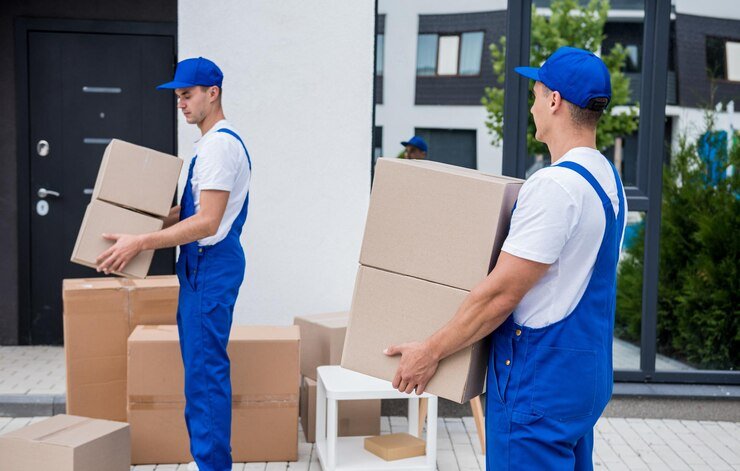
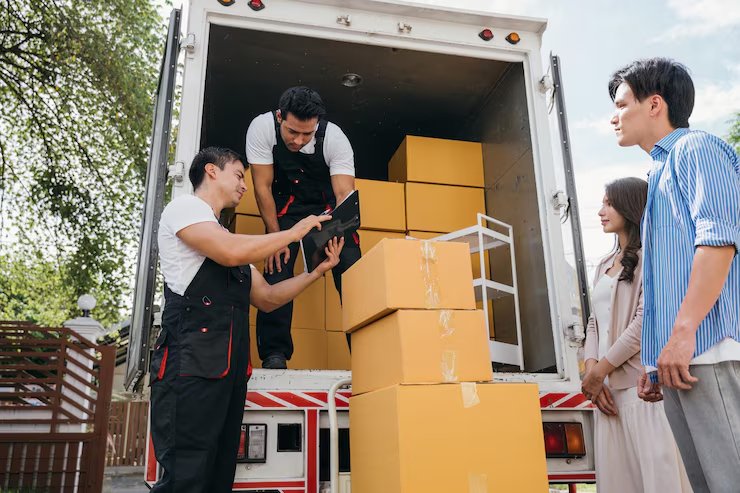
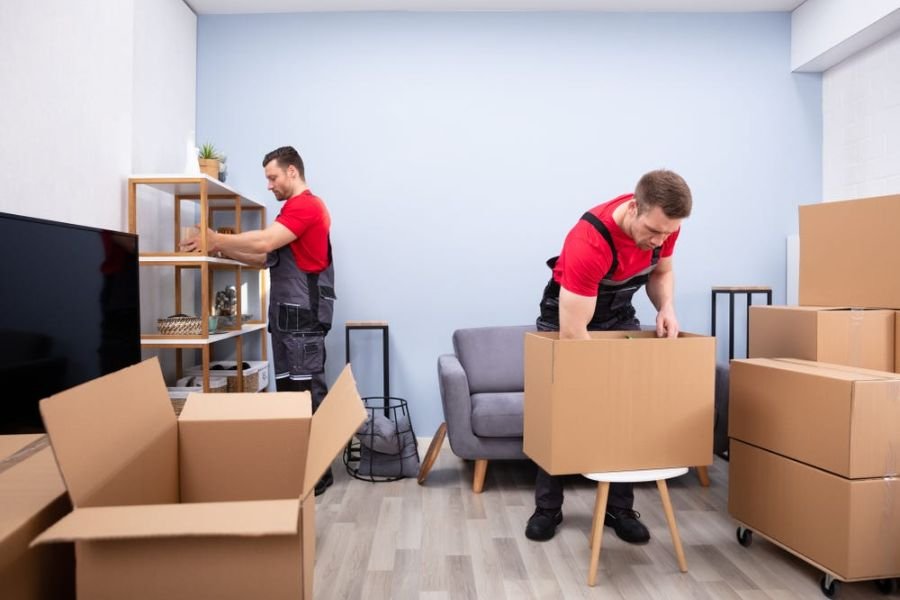
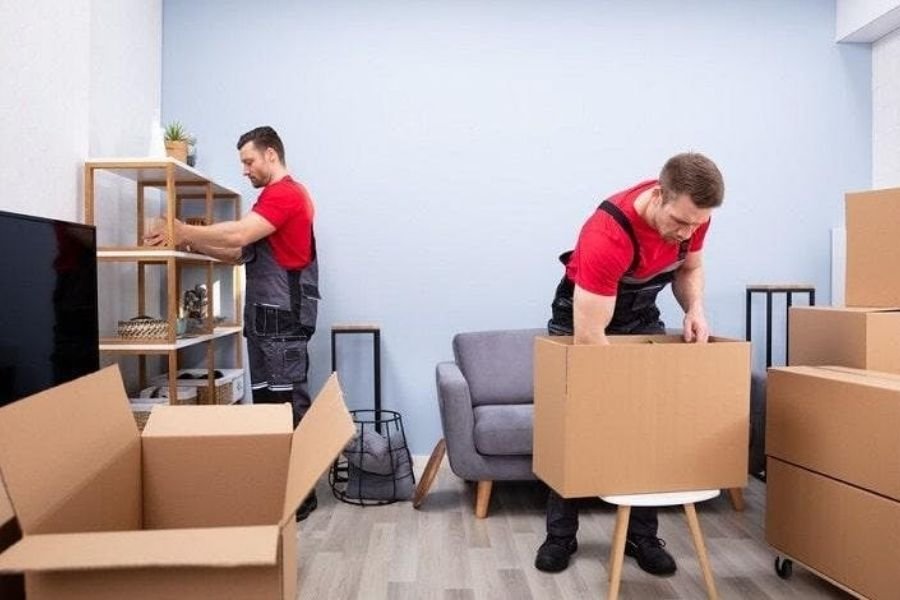
As Dubai expands, relocation within the city and from abroad remains common. Moving homes can be physically and emotionally demanding, particularly for families and older residents. Professional support from experienced service providers such as Dubai Packers and Movers helps reduce the logistical burden associated with relocation.
Smooth-moving processes minimise disruption, allowing individuals to settle quickly into new environments and maintain routines that support mental and physical well-being.
Healthcare Access as a Housing Priority
Access to healthcare is becoming a central factor in housing decisions. Many buyers and tenants now prioritise proximity to hospitals, clinics, and wellness centres when choosing a home. This reflects increased awareness of preventive healthcare and the importance of timely medical access.
Developments near medical hubs or integrated community clinics are gaining value, reinforcing the link between real estate planning and long-term population health.
Regulation, Trust, and Consumer Protection
Dubai’s real estate regulations have strengthened significantly, offering greater protection for buyers, tenants, and investors. Clear escrow laws, transparent transaction processes, and dispute resolution mechanisms have improved trust across the market.
This regulatory clarity reduces uncertainty and supports informed decision-making, contributing to emotional security and long-term confidence in housing choices.
Making the Right Choice in 2026
Deciding whether to buy, rent, or invest in Dubai homes depends on personal goals, financial readiness, and lifestyle needs. Long-term residents may benefit from ownership, mobile professionals may prefer renting, and investors must weigh returns against risk and responsibility.
There is no single “best” option—only the option that aligns most closely with individual circumstances and well-being.
Frequently Asked Questions (FAQs)
1. What does the dubai property market forecast indicate for 2026?
It suggests stable growth, moderate price appreciation, and sustained rental demand.
2. Is buying property in Dubai safer now than before?
Yes, due to improved regulations, transparency, and controlled supply.
3. Are off plan projects still worth considering?
Yes, if buyers choose reputable developers and focus on long-term value.
4. Should expatriates buy or rent in 2026?
This depends on length of stay, income stability, and lifestyle goals.
5. How does housing stability affect health?
Stable housing reduces stress, supports better routines, and improves access to healthcare.
6. How can Dubai Packers and Movers help during relocation?
They simplify moving logistics, reducing physical strain and emotional stress during transitions.
Conclusion
As Dubai approaches 2026, the dubai real estate market trend reflects balance, maturity, and a stronger focus on long-term living rather than short-term speculation. Buying, renting, or investing in Dubai homes is increasingly a decision shaped by lifestyle, health, and stability as much as financial return.
With careful planning, realistic expectations, and professional support, residents and investors can navigate the evolving market with confidence. For those relocating or upgrading homes, trusted services like Dubai Packers and Movers can help ensure a smoother, healthier transition into the next phase of life in Dubai.